

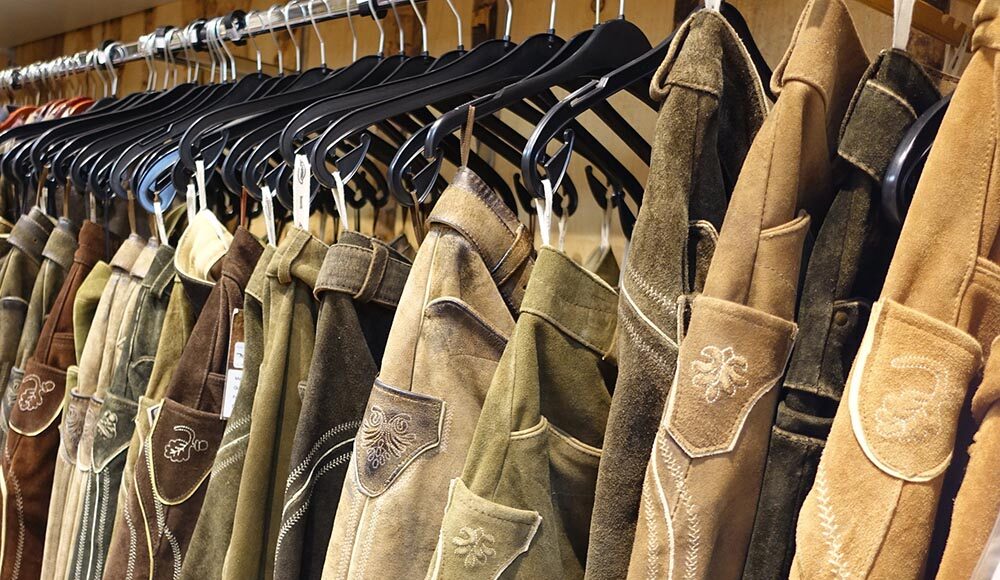
The right Lederhosen outfit starts with the trousers (short Lederhosen for versatility, Bundhosen for formal occasions, Cargo Lederhosen for a casual everyday look), then builds outward — a Trachten or checkered shirt, suspenders or a belt (never both), an optional Trachten or leather jacket depending on formality, and wool socks with Haferlschuh shoes.
The pieces should share one leather tone and one level of formality so the outfit reads as a coherent system, not a costume.
Most guides online tell you the same three things: wear a checkered shirt, pull up your socks, and don’t forget the suspenders. That’s fine advice as far as it goes — but it leaves out the parts that actually separate a great Men’s Lederhosen outfit from a forgettable one.
Nobody talks about what to do when the temperature drops at an evening festival and you need a jacket. Nobody explains why two men can wear the exact same leather trousers and one looks polished while the other looks like he’s in a costume. The difference almost always comes down to the pieces around the Lederhosen — the shirt, the outerwear, the small details — and how they work together as a system.
This guide starts from the ground up, but spends real time on the elements most men shopping for Mens Lederhosen tend to rush through.
Which Lederhosen Style Should You Choose First?
There’s no point picking a shirt or jacket until you know what style of leather trousers you’re working with. The cut and formality of the trousers sets the tone for everything else.
- Short Lederhosen — sit just above the knee; the most versatile and common choice; suit both casual afternoons and Oktoberfest tents; the right starting point for a first pair.
- Bundhosen — knee-length, more formal and structured; best for Bavarian weddings, formal Trachten evenings, and any occasion that calls for refinement over festivity; pair naturally with a jacket and waistcoat.
- Cargo Lederhosen — same leather construction with a relaxed fit and side pockets; suited to men who want to wear Trachten regularly, not just at festivals; pair especially well with a leather jacket.
The Shirt: Where Most Men Either Win or Lose the Outfit
This is the piece that makes or breaks a Lederhosen look, and it’s also the piece most men spend the least time thinking about. A great shirt lifts the entire outfit; a mediocre one drags everything down regardless of how good the leather is.
What Makes a Good Trachten Shirt
The classic choice is a white or off-white Trachten shirt with a traditional collar and subtle embroidery at the cuffs or placket. It works with every trouser style, every jacket, and every occasion from a summer beer garden to a formal Alpine event — the safe, correct default.
The checkered option (typically red-white or blue-white) adds festive character and reads as unmistakably Bavarian. It suits daytime Oktoberfest and outdoor festivals, but the rest of the outfit should stay simple when the shirt carries a bold check.
For formal occasions, especially with Bundhosen, an embroidered Trachten shirt with detailed collar work and decorative buttons signals genuine engagement with the tradition rather than a costume approach.
Fit and Fabric That Actually Works
The shirt needs room to move — standing, sitting on wooden benches, reaching across tables, occasionally dancing. A slightly relaxed fit through the body, tucked cleanly into the Lederhosen bib, is correct. Cotton or linen breathes well for summer festivals; flannel layers well under a jacket for cooler autumn evenings.
Collar Styles to Avoid
Skip modern collars entirely — spread, button-down, or polo — since their proportions don’t work with the rest of the outfit’s traditional construction. Stick to the small standing band or modest point collar that Trachten shirts are actually cut for; it’s a small detail, but it’s one of the fastest ways to tell a considered outfit from a costume at a glance.
Jackets: The Element Every Guide Gets Wrong
The jacket is often the most transformative piece in the entire outfit, and most men either pick the wrong Trachten jacket or skip it when they shouldn’t. Whether you lean toward a wool style or a more modern leather one, Bavarian Trachten jackets are worth building the rest of the outfit around, not just throwing on as an afterthought.
The Trachten Jacket Built for This
A proper Trachten jacket is made from boiled wool or loden fabric, cut shorter than a regular blazer, and finished with horn buttons and a small stand collar. It comes in earthy tones — forest green, gray, brown, occasionally navy — that were developed over generations to sit naturally alongside the warm tones of leather. Wear it when the evening turns cold, when the occasion is formal (a wedding, church event, or Trachten dinner), or with Bundhosen when the outfit needs to feel intentional.
The Leather Jacket: A Modern Take That Actually Works
A leather jacket over Cargo Lederhosen or even short Lederhosen creates a genuinely contemporary look without losing the Trachten identity — the contrast between structured jacket and traditional trousers is what makes it work. The rule: when the jacket is bold, keep everything else understated — plain shirt, minimal accessories, clean shoes. This combination belongs at beer gardens and casual Trachten parties, not formal events.
When No Jacket Is the Right Answer
At daytime summer festivals or purely casual events, a well-fitted Trachten shirt with good suspenders is already a complete look. Adding a jacket there tips into overdressed — leave it at home. The suspenders and shirt are already doing the outfit’s structural and visual work, so a jacket only adds unnecessary bulk without adding anything the look actually needs.
Suspenders or Belt: How to Decide
This is simpler than most guides make it sound.
- Bib-style Lederhosen → suspenders are structural, not optional; the bib is designed to attach to them. Embroidered suspenders with Bavarian motifs look more deliberate; plain elastic ones work for casual wear.
- No bib (common on longer trousers) → a belt makes more sense. Choose a wide, genuine-leather Lederhosen belt with an ornate metal buckle, and match the leather tone to your trousers without needing an exact match.
- Never both at once — wearing suspenders and a belt together looks cluttered. The trouser style decides which one you need.
The Waistcoat: Underused and Underrated
A Trachten waistcoat sits between the shirt and jacket, adding depth without committing to a full jacket. On its own it works as a semi-formal layer — structured enough for evening events, light enough for warm weather. Traditional waistcoats come in wool or velvet with horn buttons and embroidered detailing. With Bundhosen, a matching or complementary waistcoat is often the single piece that separates someone who dressed for the occasion from someone who just put on leather trousers.
Socks, Shoes, and the Details That Get Noticed
Socks get noticed, especially at events where people sit at long wooden benches. With short Lederhosen, socks are pulled up to just below the knee — wool or wool-blend, in gray, cream, or muted green, with cable-knit patterns or embroidered cuffs. This half-hose look is a core part of authentic Trachten dress; plain athletic or dress socks read as an outfit that ran out of attention before finishing.
For shoes, the traditional Haferlschuh — a side-laced leather shoe with a sturdy sole — was built for Alpine use, which also makes it built for a full day of standing and dancing at a festival. It comes in dark brown or black and, with proper care, can last well over a decade. With Cargo Lederhosen and a leather jacket, clean leather boots or well-maintained leather shoes work fine, since the aesthetic is already more casual.
Styling Lederhosen by Season and Occasion
The same Lederhosen can look completely different depending on how the rest of the outfit responds to the weather and the setting. Building around the season, not just the trousers, is what keeps an outfit from feeling out of place.
Summer and Daytime Festivals
Warm weather calls for breathable fabrics and fewer layers. A cotton or linen Trachten or checkered shirt, suspenders instead of a jacket, and lighter wool-blend socks keep the outfit comfortable through a full day outdoors without sacrificing the traditional silhouette.
Autumn and Evening Events
As temperatures drop, a flannel Trachten shirt under a Trachten jacket or waistcoat adds real warmth without looking like an afterthought layer. This is also where Bundhosen and a more formal jacket combination earns its place — evening events tend to call for a more structured, considered look than a daytime beer garden does.
Formal Occasions Like Weddings
For weddings and formal Trachten dinners, lean into Bundhosen, an embroidered shirt, a Trachten jacket, and a matching waistcoat. Keep accessories minimal and let the craftsmanship of the pieces — the embroidery, the horn buttons, the stitching — do the talking rather than adding extra decorative elements.
Where to Buy Quality Lederhosen and Trachten Pieces
Once you know which pieces you need, the biggest factor in how the outfit actually looks and holds up is where you buy it from. Bavarian Attire stocks Lederhosen, shirts, jackets, and accessories built to hold up over repeated wear, at prices that stay reasonable without cutting corners on materials. If none of the ready-made options fit exactly what you’re picturing, they also take custom orders — useful if you’re after a specific cut, size, or combination of pieces for an occasion like a wedding.
Putting It All Together
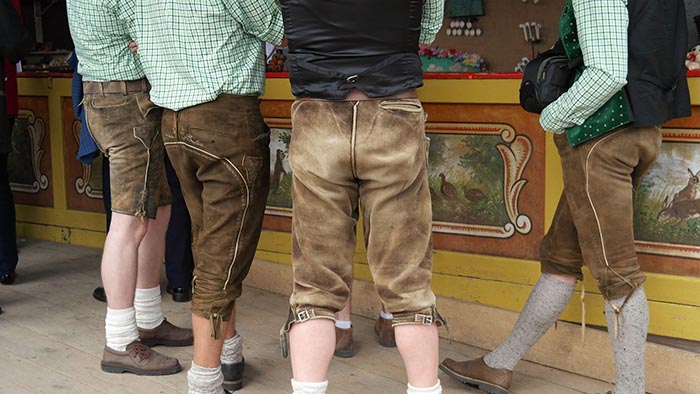
The best Lederhosen outfits share one quality: every piece looks like it belongs with every other piece. The leather tone connects to the belt or shoes. The shirt works under the jacket without pulling. The socks extend the palette rather than interrupting it.
That coherence comes from understanding how the pieces relate to each other, not from picking each item in isolation. Start with the trousers, let the occasion’s formality guide the shirt and jacket, add accessories that support rather than compete with the leather, and finish with shoes and socks that complete the look. Get that right, and the outfit does what it’s supposed to do: wear well, look considered, and feel like something more than a costume.
For anyone still building out their Trachten wardrobe, Bavarian Attire is a good place to find pieces that hold up to that standard.