

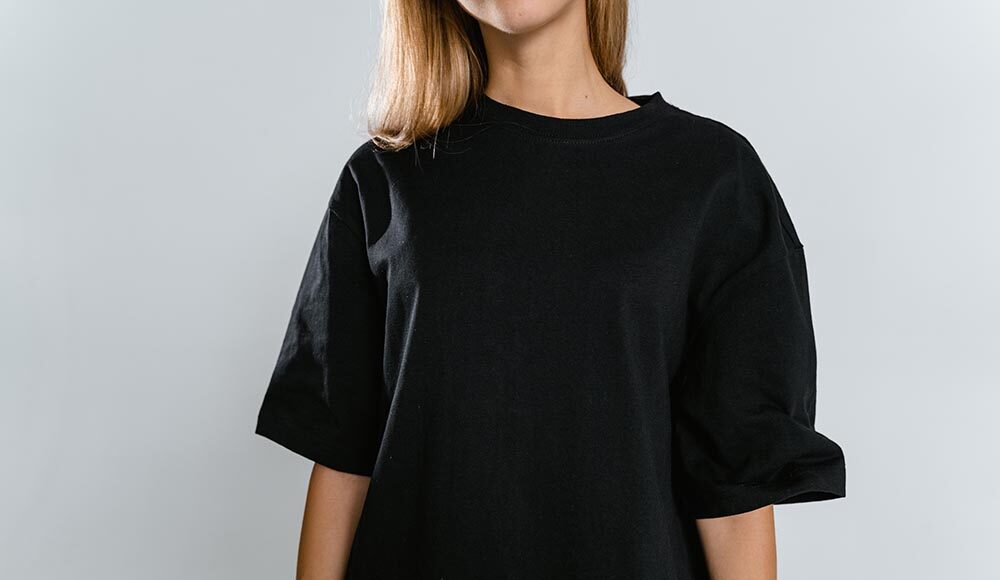
All great ideas begin with a small idea. In fashion, some of the simplest products begin with that very moment: a simple, unprinted T-shirt with nothing on it.
The Shirt That Says Nothing And Means Everything
A blank tee won’t look like much on the shelf. There is no logo, no slogan, no colour story. Only cotton, seams and a form in need of a function.
That is the emptiness. A white tee doesn’t clash with your outfit. It is then the foundation on which your style is going to be constructed.
It’s something that designers understand more than anyone. They begin with fabric that has a natural, correct, and even pattern of color in the entire shirt, before a single print has been developed.
Why Small Brands Start Here First
This is how many successful streetwear brands began – screen printing designs to T-shirts in a garage, a spare bedroom, or wherever before they even moved into the real studios.
New clothing labels often begin with a small range of simple products before moving into more complex categories such as hoodies and jackets.
Wholesale blank t-shirts give small brands a practical way to test artwork, colors, fit, and customer demand without immediately investing in fully custom fabric or pattern development. This helps founders control initial costs while identifying which designs perform best.
Many streetwear brands started in a similar way—screen printing designs onto blank T-shirts before expanding into larger collections.
What Makes A Blank Tee Actually Good
Not all plain shirts are the same. No matter how good the print is, it will be destroyed by the thin, translucent fabric as the prints will stretch and crack quickly on weak cotton that is unable to retain the print.
There are aspects of the stitching and weight that many shoppers don’t consider. A good blank will stay in shape for a dozen washes or more and a poor one will shrivel or fade in a few months.
Fabric Weight, Explained Simply
Lighter shirts are more breezy but can get worn out with frequent washing. Heavier shirts will have a longer lifespan but may be cumbersome in warm weather, so it is important to choose the right shirt based on the climate and intended use.
From Blank Canvas To Finished Statement
Not all blank T-shirts perform the same. Print quality depends not only on the artwork and ink but also on the fabric surface, yarn quality, knitting density, shrinkage control, and finishing.
Fabric weight should be selected according to the intended product. Around 160–180 GSM suits lightweight tees, 180–220 GSM is common for everyday styles, and 240–300 GSM is often used for heavyweight or streetwear fits. Higher GSM does not automatically mean better quality.
The Business Side Fashion Lovers Rarely See
There is a backstory to every style of graphic tee: a supply decision that most shoppers never consider. That fabric weight, that cut and that shade of white was selected long before a design was applied.
Brand owners are always thinking of balancing cost against quality. A lower cost of the fabric would boost profits, but could result in a loss of return and negative feedback if customers notice the difference in their hands.
This is where it gets tricky, and only the brands that get it stand out from the crowd, while those who don’t fall flat after the first ‘fashionably cool’ season on social media.
Picking The Right Blank For Your Idea
The right blank depends on the design, fit, climate, and intended use. Lightweight tees may suit warm-weather or promotional collections, while heavier fabrics provide a more structured silhouette for oversized or streetwear styles.
Garment color also affects decoration. Printing on dark or heathered fabrics may require an underbase, adjusted ink colors, or a different printing method to achieve accurate contrast and color reproduction.
Testing Before Committing
A physical sample helps confirm print placement, fabric behavior, and actual garment measurements before bulk production.
Size charts vary between suppliers, so buyers should compare garment measurements rather than relying only on labels such as Small, Medium, or Large.
Caring For A Simple Shirt The Right Way
Cold washing and gentle drying help reduce shrinkage and protect the fabric. High heat should be avoided unless the garment care label specifically allows it.
Folding T-shirts rather than hanging them can help prevent shoulder distortion, especially with lightweight or soft-knit fabrics.
Why Simplicity Still Wins
While trends change and come and go, a well-made blank tee never seems to go out of style. It is that part that changes with the seasons!
That’s why blank cotton is always present, no matter the new fashion concept, whether it’s a small company’s collection or a big brand’s season.
The best accessory in fashion sometimes isn’t the loudest accessory. It’s the shirt with no words, and the others have the chance to say something.