
The Fashion Industry Is Entering a New Supply Chain Era
The global fashion industry is experiencing a major transformation.
For decades, fashion brands focused primarily on large-scale production, seasonal collections, and rapid expansion. However, changing consumer expectations, economic uncertainty, and growing sustainability awareness are pushing the industry toward a more flexible and responsible supply chain model.
Today’s fashion brands are looking for more than just production capacity. They need manufacturing partners that can respond quickly, support creative ideas, reduce unnecessary inventory, and adapt to constantly changing market demands.
At the same time, sustainability has become a central topic across the fashion ecosystem. From responsible manufacturing to garment reuse and recycling, companies are exploring new ways to create a more circular and efficient clothing industry.
The future of fashion will not depend only on producing more garments. It will depend on creating smarter connections between design, manufacturing, consumption, and reuse.
The Growing Importance of Agile Apparel Manufacturing
One of the biggest challenges facing emerging fashion brands is finding reliable production partners that can support growth without requiring extremely large order volumes.
Traditional manufacturing models were often designed for mass production. While this approach remains important for global fashion companies, many independent designers, startups, and growing brands now require a different solution.
They need:
- Flexible minimum order quantities
- Faster product development cycles
- Customized manufacturing solutions
- Better communication between brands and factories
- The ability to test new designs before scaling production
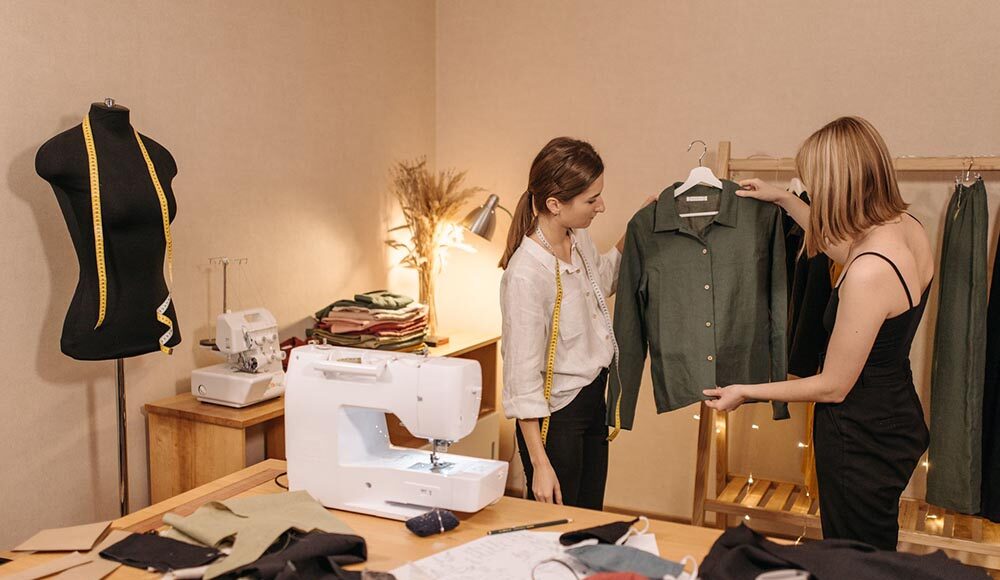
This shift has increased demand for agile apparel manufacturing partners that can provide flexibility while maintaining professional production standards.
Companies such as Huilin Fashion represent this new generation of apparel manufacturers by supporting OEM and ODM clothing production, customized garment development, and flexible manufacturing solutions for emerging fashion brands.
By helping brands move from concept to finished products more efficiently, agile manufacturers are becoming an important part of the modern fashion supply chain.
Why Low MOQ Production Is Changing Fashion Entrepreneurship
The rise of independent fashion brands has changed the way clothing is developed and produced.
In the past, launching a clothing collection often required significant investment because manufacturers typically focused on large production quantities. This created challenges for new designers who wanted to test ideas, build their audience, and develop their brand identity.
Low MOQ (minimum order quantity) production models have created new opportunities by allowing smaller brands to enter the market with lower risks.
Instead of producing thousands of pieces without knowing customer demand, brands can create smaller collections, collect market feedback, and gradually increase production.
This approach benefits both businesses and the environment because it can reduce excess inventory and encourage more efficient resource management.
As fashion continues to evolve, flexible production will become a key advantage for brands that want to compete in a fast-changing global market.
From Fast Fashion to Circular Fashion
While improving manufacturing efficiency is important, the future of fashion also depends on what happens after clothing reaches consumers.
The traditional fashion model follows a linear process:
Production → Consumption → Disposal
However, the industry is increasingly moving toward a circular model:
Production → Consumption → Reuse → Redistribution → Extended Product Life
Circular fashion focuses on reducing waste by keeping garments in use for longer periods.
This includes:
- Second-hand clothing markets
- Clothing reuse programs
- Textile recycling
- Sustainable consumption models
As consumers become more environmentally conscious, second-hand clothing has developed from a niche market into a global industry.
The Expanding Role of Second-Hand Clothing in Global Fashion
The second-hand clothing market is becoming an important part of the international fashion supply chain.
Many regions around the world have growing demand for affordable, reusable garments. Through international trade networks, used clothing can be redistributed to markets where there is strong consumer demand.
Companies such as Yikao Used Clothing contribute to this circular fashion movement by providing wholesale second-hand clothing solutions and connecting global buyers with used garment supply chains.
By extending the lifecycle of clothing products, the second-hand clothing industry helps reduce textile waste while creating new economic opportunities.
The growth of second-hand fashion also demonstrates that sustainability is not only about how clothing is produced, but also about how clothing continues to create value after its first use.
Creating a More Connected Fashion Ecosystem
The future fashion industry will be built through cooperation between different parts of the supply chain.
Manufacturers, designers, brands, logistics providers, and circular fashion companies all play important roles in creating a more sustainable system.
A modern fashion ecosystem may include:
Responsible Manufacturing
Factories provide flexible production solutions that allow brands to create products more efficiently.
Smart Inventory Management
Brands produce according to market demand, reducing unnecessary waste.
Circular Fashion Solutions
Used clothing businesses extend the life of garments and support global reuse markets.
Consumer Awareness
Customers increasingly consider sustainability, quality, and product lifecycle when making purchasing decisions.
Together, these elements create a fashion industry that is more adaptable, responsible, and prepared for future challenges.
The Future of Fashion: Flexible, Sustainable, and Circular
The fashion industry is moving toward a new era defined by flexibility and sustainability.
Agile manufacturing allows brands to respond faster to market changes, while circular fashion creates new opportunities to reduce waste and maximize the value of existing garments.
The next generation of fashion supply chains will not be built around one single model. Instead, it will combine advanced manufacturing, responsible production, and circular solutions.
From innovative apparel manufacturers to global second-hand clothing networks, every part of the industry has a role to play in creating a smarter fashion future.
As the relationship between production and sustainability continues to evolve, the brands and companies that embrace flexibility and responsibility will be best positioned to succeed in the global fashion marketplace.