

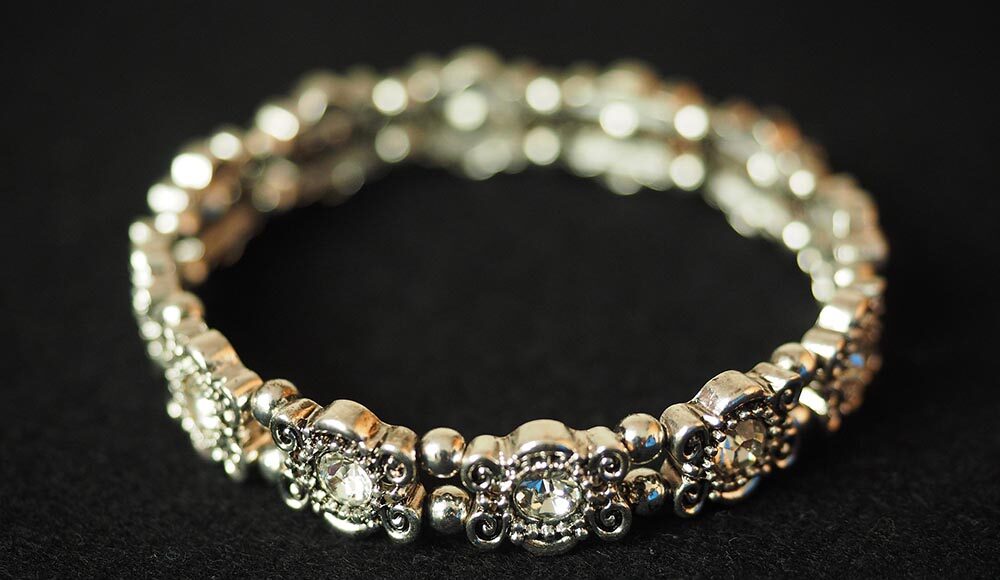
A reliable 925 sterling silver jewelry manufacturer plays a vital role in helping jewelry brands transform ideas into market-ready products.
From material sourcing and CAD development to quality control and mass production, experienced manufacturers support wholesalers, retailers, and private label brands in building competitive jewelry collections while maintaining consistent quality and efficient production.
What is 925 Sterling Silver?
925 sterling silver is an alloy composed of 92.5% pure silver and 7.5% other metals, usually copper. This combination is used because pure silver is too soft to be used in jewelry making. The addition of other metals makes the silver more durable and suitable for creating intricate designs. For example, a well – known manufacturer might use 925 sterling silver to make a delicate pendant. The copper in the alloy gives the pendant the strength it needs to maintain its shape, while the high silver content ensures its beautiful luster.
Manufacturers carefully select the metals for the alloy to ensure the quality of the final product. The proportion of the metals can also affect the color and hardness of the silver. Some manufacturers might experiment with different alloys to achieve unique effects, such as a slightly different shade of silver or enhanced scratch resistance.
For jewelry brands, working with a professional 925 sterling silver jewelry manufacturer ensures that every piece is made from genuine 925 sterling silver with consistent quality standards. An experienced Custom Jewelry Manufacturer can also recommend suitable materials, plating options, and production methods based on different market requirements.
The Production Process
The production of 925 sterling silver jewelry involves several steps. First, the raw materials are prepared. The silver and other metals are melted together in a furnace at high temperatures. The temperature and the melting time are carefully controlled to ensure a homogeneous alloy. For instance, a large – scale manufacturer might use a specialized industrial furnace that can melt several kilograms of metal at once.
After melting, the alloy is cast into various shapes. This can be done using different casting methods, such as investment casting or die – casting. Investment casting is often used for creating detailed and complex designs. A wax model of the jewelry piece is made first, and then it is surrounded by a ceramic shell. The wax is melted out, and the molten silver is poured into the cavity. Die – casting, on the other hand, is more suitable for mass producing simpler designs. A mold is created, and the molten silver is forced into the mold under high pressure.
Once the casting is done, the jewelry pieces are finished. This includes processes like polishing, engraving, and setting gemstones. Polishing gives the silver its shiny surface. Engraving can add decorative patterns or personalized messages to the jewelry. Gemstone setting requires great skill to ensure that the stones are securely held in place. For example, a manufacturer might set a small diamond in a 925 sterling silver ring using a prong-setting technique. Today, many manufacturers also use CAD modeling and 3D prototyping before production, allowing brands to review designs and make adjustments before mass manufacturing begins.
Quality Control
Quality control is of utmost importance for 925 sterling silver jewelry manufacturers. They need to ensure that every piece of jewelry meets high standards. One of the key aspects of quality control is checking the purity of the silver. Manufacturers use various methods to test the silver content, such as chemical analysis or X – ray fluorescence. For example, a laboratory within the manufacturing facility might use an X – ray fluorescence machine to quickly and accurately determine the silver percentage in a sample.
The physical appearance of the jewelry is also closely inspected. This includes checking for scratches, dents, and uneven surfaces. The setting of gemstones is examined to ensure that they are properly seated and not loose. For instance, a quality control inspector might use a magnifying glass to check the details of a gemstone – set pendant. Any defective pieces are either repaired or discarded.
Manufacturers also need to comply with international standards and regulations. For example, in some countries, jewelry must be stamped with a hallmark indicating its silver purity. This helps consumers to identify the quality of the product. A reputable manufacturer will ensure that all their products are properly hallmarked and meet the relevant standards.Beyond meeting international standards, many professional factories implement multiple inspection stages throughout production to maintain consistent quality across wholesale orders.
Market Trends and Design
925 sterling silver jewelry manufacturers need to keep up with the latest market trends. The demand for silver jewelry is influenced by factors such as fashion, consumer preferences, and cultural trends. For example, in recent years, there has been a growing trend towards minimalist and sustainable jewelry. Manufacturers have responded by creating simple, clean-lined designs using recycled sterling silver while adopting more sustainable production practices.
Design is a crucial aspect of the jewelry business. In today’s market, many jewelry brands are looking beyond design alone. They increasingly value manufacturers that can provide low MOQs, OEM & ODM services, faster sampling, sustainable materials, and reliable production capacity. These capabilities have become important competitive advantages in the global jewelry manufacturing industry.
Some manufacturers also collaborate with fashion designers or celebrities to create exclusive collections. This can help to increase the brand’s visibility and attract more customers. For example, a well – known jewelry manufacturer might partner with a popular fashion designer to create a limited – edition line of 925 sterling silver jewelry that features unique and fashionable designs.
Challenges and Opportunities
925 sterling silver jewelry manufacturers face several challenges. One of the main challenges is the fluctuating price of silver. The price of silver on the global market can change rapidly, which affects the cost of production. For example, if the price of silver suddenly increases, a manufacturer might have to either increase the price of their products or find ways to reduce costs.
Competition is another challenge. There are many jewelry manufacturers in the market, both large and small. To stand out, manufacturers need to offer high – quality products at competitive prices. They also need to invest in marketing and branding to build a strong customer base. For instance, a small – scale manufacturer might face difficulties in competing with larger companies that have more resources for advertising and promotion.
However, there are also many opportunities. The growing interest in sustainable and ethical jewelry provides an opportunity for manufacturers to focus on these aspects. By using recycled silver and adopting environmentally friendly production methods, they can attract customers who are concerned about the environment. At the same time, digital communication, online collaboration, and global logistics have made it easier for jewelry brands to work directly with overseas manufacturing partners. This trend has created new opportunities for manufacturers that combine product quality with efficient project management and transparent communication.
Choosing the right manufacturing partner is about more than comparing prices. Whether developing a new private label collection or expanding an existing product line, working with an experienced 925 sterling silver jewelry manufacturer can help brands achieve consistent quality, efficient production, and long-term business growth. Understanding manufacturing capabilities, quality standards, and industry trends enables buyers to make more informed sourcing decisions.
As the global jewelry market continues to evolve, manufacturers that combine craftsmanship, technical expertise, and reliable production capabilities will remain the preferred partners for growing jewelry brands.