

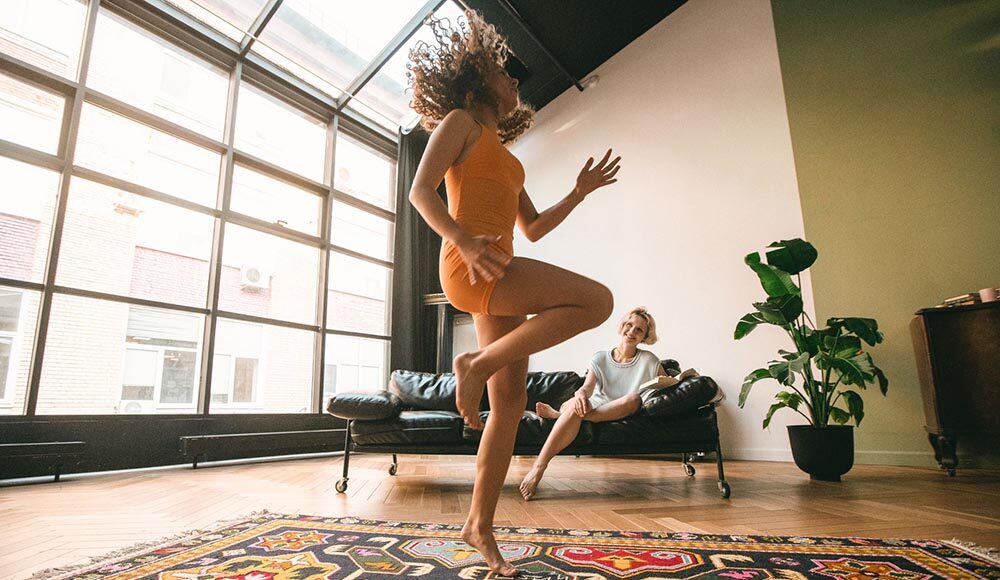
Cardio doesn’t have to mean watching the minutes tick by on a treadmill or forcing yourself through a workout you already know you hate.
Exercise can be hard without feeling like a chore.
Fun cardio is just cardio with something enjoyable added to the experience. That might be music, dancing, outdoor scenery, a favorite podcast, a game, a class with friends, or enough variety that you’re not doing the same thing every day.
The goal isn’t to find the hardest workout possible. It’s to find a movement you like enough to do again.
Why Enjoyable Cardio is Easier to Stick To
A workout can be carefully planned and technically impressive but that doesn’t help if you find reasons to skip it every week.
Enjoyment gives you a reason to exercise beyond checking something off a fitness list. When you like the music, activity, surroundings or people involved the workout has something to offer in the moment not just a future result.
There’s no rule that says cardio has to be on traditional gym equipment. A guide to at-home cardio exercises has a range of movements that will get your heart rate up without using a treadmill.
That opens up a lot of options for people who get bored with repetitive exercise.
Why Dance Works Well for Fun Cardio
Dance has an advantage that many traditional workouts don’t: your attention has somewhere else to go.
A cardio dance workout can be especially good for people who want to get their heart rate up without using repetitive gym equipment. Because the movements change with the music the session can feel more varied from one song to the next.
If you’re new to exercise you can make the steps smaller, move slower, keep one foot on the floor or skip the jumping movements. If you want a bigger challenge you can increase the tempo, make the movements bigger or choose more energetic choreography.
That’s one reason dance can work for all levels.
If following choreography at home feels more comfortable than a studio class guided dance workout videos can provide different routines and styles to try while you build confidence.
Let Music Do Some of the Work
A good playlist can completely change the vibe of a cardio session.
Think about how different it feels to walk through a quiet room for 20 minutes compared to moving to music you love. The physical task may be the same but the experience is not.
Choose songs because you like them not because someone has declared them the perfect workout tracks.You can also use songs to structure a workout naturally. One fast track can be an interval. A slower song can be recovered. The next song can introduce a new movement.
Dance-inspired exercise has used this relationship between movement and music for a long time. A feature on dance cardio for example shows how you can combine familiar dance movements into an energetic cardio routine.
Try Cardio That Doesn’t Feel Like a Workout
If you automatically associate cardio with running or gym machines, expanding your definition can make exercise much more appealing.
There are many ways to get your body moving.
- Dance to 3-4 favorite songs.
- Take a brisk walk while listening to a podcast or audiobook.
- Cycle somewhere with interesting scenery.
- Go for a hike with a friend.
- Play recreational tennis, basketball, badminton or another sport.
- Jump rope for a few rounds.
- Follow a beginner-friendly aerobics session.
- Alternate dance songs with bodyweight movements.
- Take an active class with friends.
- Walk somewhere you would normally drive when practical.
- Turn household chores into a music-powered movement session.
- Try a new outdoor route instead of the same one.
The best choice depends on your interests, current fitness, available space, schedule and how you feel that day.
You don’t have to choose one activity and commit to it forever. In fact rotating activities can be exactly what keeps cardio interesting.
Monday might be a walk. Wednesday could be dancing at home. A guide to at-home cardio exercises a wide range of movements that can raise the heart rate. On the weekend you might bike or meet a friend for an active afternoon.
It all counts as movement.
Keep Dance Workouts Simple at First
One way to make a potentially enjoyable dance workout frustrating is to start with choreography way beyond your current level.
A fun dance workout should feel achievable, not frustrating. Starting with simple steps and familiar music can make it easier to keep moving, build confidence and enjoy the session.
If you spend the entire session wondering which foot goes where you may not want to do it again.
Step-touch patterns, side steps, knee lifts, gentle squats, arm reaches and simple forward-and-back movements can be combined in countless ways. Once those feel familiar, more complicated combinations become easier to follow.
You can also reduce the pressure by remembering nobody needs to see the finished routine.
Missed a step? Keep moving.
Turned in the wrong direction? Turn back.Forgot the combination? Move to the beat until you remember the next part.
A home dance workout should not feel like an audition.
Make Short Workouts Count
A workout doesn’t have to take over your day to be worth it.
When motivation is low, telling yourself you need to do a long session can make starting harder than it needs to be. Ten minutes feels much more doable.
Try putting on two or three songs and move until they end.
Take a quick walk after lunch.
Jump rope for a few rounds.
Walk up and down the stairs while listening to part of a podcast.
If you feel good after 10 minutes and want to keep going you can. If you stop there you still move.
Short sessions are particularly useful when you’re trying to establish a habit. They lower the barrier to getting started and make exercise easier to fit around work, family responsibilities, travel and unpredictable days.
Exercise With Other People
Not everyone likes social exercise but for those who do company can make cardio feel different.
A long walk can become a conversation. A dance class becomes a shared experience. Recreational sports introduce teamwork and friendly competition.
You can also create accountability without making exercise too serious.
Meet a friend for a walk once a week. Try a dance class together. Plan an active outing instead of always meeting for coffee or a meal.
The workout doesn’t have to be the main event.
Sometimes movement is just part of spending time together.
Stop Measuring Every Session by Calories
Fitness trackers can be useful but numbers are not the only way to measure a workout.
Cardio can support endurance and general fitness but making every workout a competition with your watch can take some of the fun out of movement.
If your goal is consistency, sometimes judging success by one simple question, “Would I do that again?”, can be surprisingly helpful.
How Often Should You Do Cardio?
There’s no one size fits all schedule.
Your frequency depends on your current activity level, exercise intensity, other training, recovery, schedule and personal goals.
Someone starting a dance routine might do two or three sessions a week. Someone who already exercises regularly might prefer shorter sessions more often.
Intensity matters too.
A gentle walk and a demanding dance session don’t put the same demands on the body. Not every workout has to leave you exhausted.
Mixing harder sessions with easier movement can make a routine more sustainable and give you more variety.Pay attention to how you respond. Persistent fatigue, ongoing soreness, worsening performance, or discomfort are good reasons to reconsider intensity and recovery. People with medical concerns, injuries, or uncertainty about appropriate exercise should seek guidance from a qualified healthcare professional.
Make Cardio Match Your Goal
Cardio can still be fun.
If you want to improve endurance, increasing the time you move may be helpful.
If you want to get more comfortable dancing, choose routines that introduce new combinations gradually.
If your main goal is to be less sedentary, short walks, dance breaks and other manageable activities may be a better starting point than intense workouts.
People who exercise for weight management can also look beyond how many calories a single session burns. If you prefer structure, a dance workout for weight loss can provide a more consistent routine than choosing unrelated workouts each day. Sustainable nutrition, sleep, recovery, overall activity and consistency still matter as part of the bigger picture.
Exercise doesn’t have to hurt to be useful.
Make It Easier to Start
Sometimes the hardest part of cardio is the 5 minutes before it begins.
Reducing friction can help.
Leave your workout clothes somewhere easy to reach. Clear a little floor space if you exercise at home. Save a few playlists in advance. Put your walking shoes by the door.
The fewer decisions you have to make, the easier it is to start.
You can even create a minimum version of your routine for busy days.
Maybe your normal plan is a 30 minute dance session, but the minimum is one song.
Maybe your normal walk is several miles, but the minimum is 10 minutes around the block.
A smaller workout is not a failed version of a larger one. Sometimes it’s exactly what keeps the habit alive.