

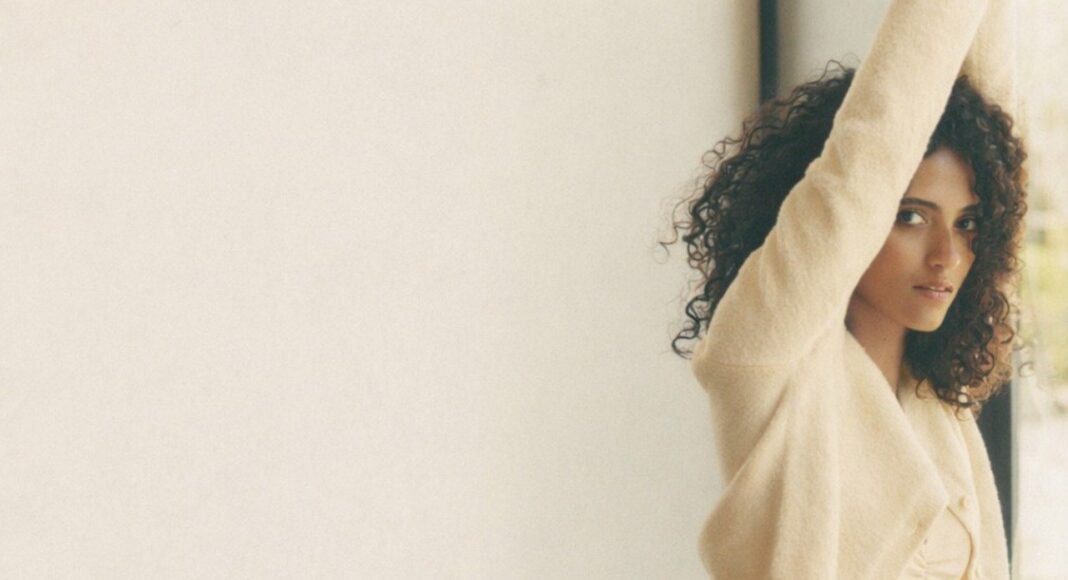
The most effective instruments in fashion design are still color and fabric, which molds the emotional reactions as well as defines the comfort and utility.
The fashion industry is reinventing the perception of winter clothes as the 2025 winter season approaches, and instead of focusing on the protective aspect of winter clothes, it will adopt a fresh look that conveys warmth, personality, and a sense of versatility.
This is done by an elegant color story and a consistent technological advancement of fabrics that enable winter collections to adapt to various lifestyles without compromising on the appearance. Instead of using the classic winter color scheme of black, white, and grey, designers are adopting expressive color and touchable fabrics that add an emotional appeal to seasonal fashion.
Using careful choice of color and high-level development of textile, winter 2025 fashion has managed to balance three concepts, including elegance, performance and practicality in everyday life.
Color Narrative: Emotional Expression and Seasonal Adaptation
Colour is a very important aspect in defining the spirit of winter collections. The palettes of designers in 2025 are aimed at communicating a sense of warmth, stability, and emotional comfort, which is congruent with the need to seek optimism and balance in the colder seasons.
Warm Yellow Tones: Reintroducing Energy into Winter Wardrobes
Soft yellow shadows evoking the images of candlelight and winter sunlight have become a large trend throughout winter collections. These colors provide a visual impression of warmth and optimism and give one a reprieve against the visual weight that winter fashion is normally attributed to.
Natural skin tones with warm yellows are added and add a soft radiance to knitwear, loose loungewear, and layering. These colors are comfortable and visually stimulating when used on sweaters, lightweight hoodies, and other lightweight indoor apparel.
Their flexibility enables them to be easily in and out of a work-from-home environment, light exercise, and informal socialization. With the growing demand of consumers to wear clothes that enhance emotional health, as well as, practical comfort, warm yellow colors are a strong means of revising winter styles.
Deep Charcoal and Anthracite: A Modern Expression of Stability
Dark charcoal and anthracite still prevail in winter style, especially in menswear and unisex styles. These colors are a more sophisticated feeling to pure black, and they give the color depth and dimension, but not too formal.
Their subdued classiness is in line with the emerging trend towards minimalism and low-key luxury. Charcoal colors are effective on organized knits, loose trousers and informal outerwear.
Their flexibility in which they can easily shift between domestic settings, workplaces and informal gatherings. This more subtle sophistication merged with neutrality helps to build the concept of winter fashion as both something useful and something that can be used to express oneself.
Fabric Technology: Enhancing Comfort Through Innovation
Even though the color determines the emotional characteristics of winter collections, the way of wearing is determined by fabric technology. It is seen that in 2025, the focus of textile engineering will be on softness, breathability, stability, and flexibility so that the garments would work in various situations.
Refined Cashmere Knits: Lightweight Warmth and Structure
Cashmere is one of the pillars of high-end winter style because it is extremely soft, and it has natural insulation. Nevertheless, contemporary production processes have taken its performance to a new level that is even above conventional performance.
Natural rib-knit fabrics give the garments elasticity and shape retention, which is the ability to fit to the body in a natural way and not feel tight. These new inventions make cashmere lighter and yet warmer meaning it can be worn in order to keep it warm and also as part of a layering.
Increased strength due to the polished sides and advanced knitting techniques increase the longevity of clothes and address the increasing trend of quality products lasting long. Consequently, cashmere knits have ceased to be only worn during formal activities but are gradually becoming part of the daily winter collections.
Soft Performance Fabrics: Where Function Meets Everyday Wear
Activewear and casual fabrics have never been more confused because of performance oriented fabrics. They are engineered with ultra-fine fibers, which provide a lightweight feel that is comfortable with the skin to wear over a long period. The low-intensity exercise and day-to-day life are supported by their ability to absorb moisture and dry fast. These fabrics are natural and placed in their natural state, which further changes the shape of the figure without over-compression, resulting in a garment that is supportive yet loose. With consumers wanting a multi-purpose way of dressing that can fit any changing schedule, soft performance fabrics have taken the place of winter collections, to give the seamless change of activity between exercise, leisure and daily chores.
Waffle-Textured Fabrics: Breathable Comfort for Indoor Living
The waffle-textured fabrics have received re-invented interest because of their comfort-based design and attractiveness. The grid design that rises up forms air-holes that contribute to body temperature regulation, whereas it maintains weight without being too heavy.
This brings waffle fabrics as a most suitable winter homewear. Finish methods today are more durable making sure they do not pillage or wear out with time. Waffle-textured clothes are soft to the touch and they are aesthetically arranged to balance both comfort and refinement.
Their color palette is also neutral and deep, which makes them more universal and lets them be worn both at home and casually when having short trips.
Scenario-Based Design: Clothing for Real-Life Needs
The focus on the situation-based design is also one of the characteristic features of the 2025 winter fashion landscape. Instead of designing clothes to serve a specific purpose, the designers are concerned with the idea of flexibility so that each item would be applicable to various spheres of life.
Active Scenarios: Supporting Movement and Warmth
Winter active wear is more focused on comfort, flexibility and temperature. Lightweight or insulating fabrics are used to offer warmth without limiting the movement and supportive constructions are used to increase stability during the work of low- to moderate-intensity activities.
Careful details like stretchy finishes and modifiable details increase functionality, as wearers can more easily be comfortable in cooler weather. The combination of sophisticated design makes sure that the activewear will not feel constrained to the fitness setting.
Rather, it is a logical continuation of the daily style of dressing, which is in line with the needs of modern lifestyle.
Commuting Scenarios: Efficiency Through Simplicity
In 2025, commuting wear implies efficiency and minimalist elegance. Silhouettes and textures as well as color palettes are easy to coordinate and simple to make decisions due to their clean nature and versatility. Clothing is set in such a way that it easily layers to maintain the use in changing temperatures during the day.
This strategy focuses on quality over quantity making consumers create functional winter wardrobes with less and more multi-purpose clothes. The outcome is the sleek, stylish look that is neither too professional nor too comfortable.
Home Scenarios: Elevated Comfort
Homewear is still a developing category within winter fashion. The soft materials, loose fits, and soothing colors will help in physical and psychological relaxation. Meanwhile, careful design guarantees that these clothes are up-to-date in their appearance, in the sense that they cover the requirement of wearable decency in the contemporary home settings.
Social and Date Scenarios: Subtle Elegance and Atmosphere
Winter fashion focuses on smooth fabrics and elegant shapes when it comes to socializing and close gatherings. Easy clothes and peaceful color schemes provide a very inviting, sophisticated effect. This design principle endorses the beliefs of confidence and comfort and enables people to convey personal style at the same time being comfortable.
Conclusion: Redefining Winter Fashion in 2025
The winter of 2025 fashion map displays a distinct direction on flexibility, emotional appeal, and practicality. With a story of expressive colors, new fabric technologies, and design scenarios, winterwear is repurposed to make it a multi-purpose wardrobe answer to contemporary life.
With the industry evolving in terms of innovativeness, winter fashions will be more concerned with meaningful design, which will aid in comfort, confidence and individuality. Combining aesthetic and usefulness, the winter season of 2025 provides a perspective of the vision of fashion in the future, which is entirely consistent with real life. For more information, visit ALO insights.
##