

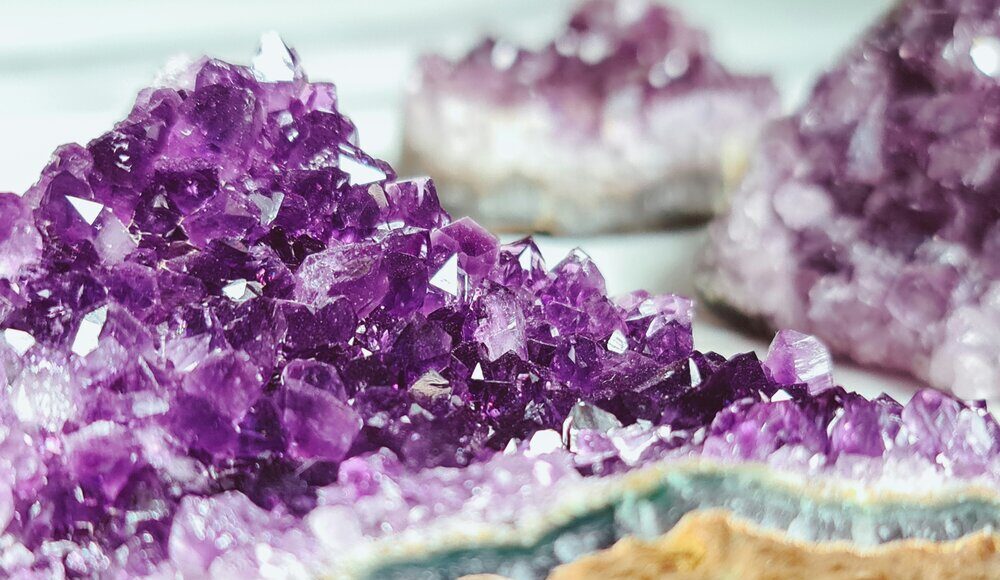
Gemstones are more than just pretty decorations for a velvet box. Collectors now view certain stones as portable wealth that can be enjoyed daily.
Amethyst offers a unique mix of historical prestige and modern market stability. Investors look for assets that maintain beauty and value.
The Rising Value of Purple Quartz
Ancient cultures believed purple gems could offer protection and clarity of mind. Collectors look for deep saturation to find pieces that hold value. These items are easy to pass down through generations.
The scarcity of deep Siberian hues makes them attractive for long-term holding. Investors find that these stones are easier to store and transport than larger physical assets. Mining regions influence the final price of the gemstone. Uruguay and Brazil are known for producing the most sought-after specimens.
Selecting Quality Pieces
Investing requires an eye for detail and a focus on clarity. Go for suppliers like ISKRA Jewelry that offer high-quality amethyst jewelry to diversify a modern collection. A wise buyer evaluates the physical properties of a gem before committing. Look for the following traits when browsing for investment-grade items:
- Deep purple color without brown tints
- High transparency and minimal visible flaws
- Precision facets that maximize light return
- Ethical sourcing documentation
Buying from a reputable source guarantees the stone is natural and untreated. Synthetic versions are common in the mass market but hold no resale value. Real amethyst remains a tangible asset that combines aesthetic joy with potential financial gain.
Large carat weights are rarer and typically see a higher percentage of growth. Small stones are great for daily wear, but larger gems are the true stars of a collection. High-quality cuts increase the value further by reflecting more light.
Shifts in Consumer Preference
Younger buyers prefer stones that offer a story and a connection to the earth. Amethyst fits the desire for natural beauty perfectly with its volcanic origins. Retailers are seeing a surge in demand for pieces that can be worn for both fashion and financial security.
Trends in fashion lean toward bold colors and natural textures. Deep purple provides a pop of color that pairs well with most metals. Gold settings help the purple tones stand out even more.
Influencers use social media to showcase unique cuts and raw crystal points. Such visibility maintains high demand in the secondary market. A simple post can spark a new wave of interest in certain stone types.
Long Term Financial Projections
Colored gemstones are outperforming traditional investments in some niche markets. The colored gemstone sector grew from $2.01 billion in 2024 to $2.14 billion in 2025. This steady climb suggests that buyers are moving away from standard clear diamonds.
The total market size is expected to hit $1652.21 million by 2034. The market sat at $1161.08 million during the 2025 fiscal year. Since the supply of top-grade material is finite, the price naturally moves upward as demand increases. Professional collectors suggest focusing on stones with minimal inclusions.
Raw materials are becoming harder to source as mines reach their limits. This limited supply drives prices higher. Investors like the fact that gemstones are not tied to the stock market directly. Holding a physical asset provides a sense of control during economic shifts.
Owning a piece of the earth’s history is a rewarding experience. The appeal of colored stones continues to grow. Amethyst looks just as good in a portfolio as it does on a hand. Collectors will find that purple quartz is a stable choice for the future.