Fashion is usually discussed in terms of what we can see: the cut of a jacket, the drape of a dress, or the craftsmanship behind a beautifully made bag.
Yet there is an often-overlooked part of the experience that takes place before an item is worn. The moment a customer opens a purchase, packaging becomes the first physical introduction to the world a fashion label has created.
A box does not make an ordinary garment extraordinary. But it can change the way an already considered purchase is presented, handled, remembered, and cared for. In a luxury market where details matter, that distinction deserves attention.
The First Impression Happens Before the First Wear
Picture ordering a silk scarf from an independent designer. It arrives crumpled inside a much larger parcel, with tissue paper that has shifted during delivery. The scarf may be flawless, but the presentation interrupts the sense of occasion. Now imagine opening a neatly sized box, lifting a carefully folded layer of paper, and finding the fabric positioned exactly as intended. The item is the same; the introduction is not.
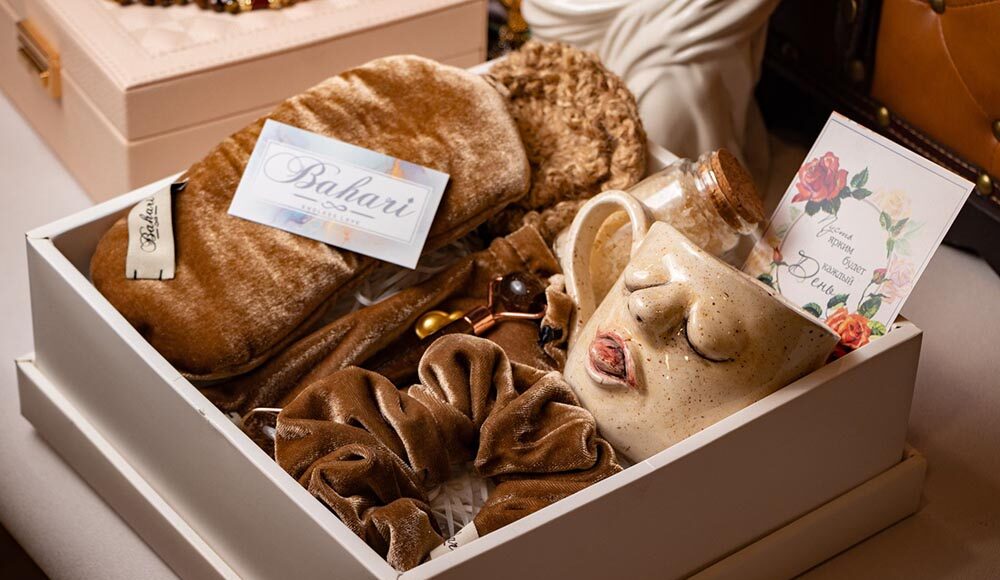
Luxury packaging creates a moment of anticipation rather than simply a barrier to remove. A lid that opens smoothly, a quiet color palette, or an insert that keeps an accessory in place can make the experience feel deliberate. The goal is not unnecessary ceremony. It is to let the customer discover the product without distraction.
Brand Identity Goes Beyond the Label
Fashion houses communicate through silhouettes, styling, photography, and the environments they create. Packaging is another part of that visual language, especially for ecommerce customers who never step inside a boutique.
A minimalist accessories label might choose a structured cream box with restrained typography. A bold contemporary brand might prefer saturated color and an unexpected interior print. A heritage-inspired designer could express the same personality through textured paper and understated embossing. None of these is universally more luxurious; each works when the design reflects the clothing or accessories inside.
Fashion and beauty often share a similar visual identity, especially when luxury brands introduce makeup, fragrances, or skincare collections alongside their accessories. Thoughtfully designed custom cosmetic boxes can help maintain consistent colors, typography, and premium finishes across different product categories, creating a cohesive brand experience.
What the Hands Notice
The most persuasive details are not always visible in photographs. Customers feel the weight of a box, the finish of its paper wrap, and the resistance of a closure. A matte surface can create a quieter impression than a reflective one; a debossed mark offers a tactile detail without demanding attention.
These choices also need restraint. Heavy materials, elaborate ribbons, multiple sleeves, and decorative inserts can quickly become visual noise. A carefully designed box often communicates more than a complicated arrangement because it leaves room for the product to be the focus.
Luxury, in this sense, is a matter of proportion. The packaging should be substantial enough to protect and present the item, but never so imposing that it overshadows a delicate garment or small accessory.
Why Rigid Boxes Work for Fashion Accessories
Not every fashion purchase needs a presentation case. A folded T-shirt may be perfectly suited to a protective mailer, while a watch, belt, premium scarf, or curated gift set can benefit from a more structured format. The choice depends on the object and the experience the brand wants to create.
For higher-end accessories, custom rigid boxes offer options such as lift-off lids, magnetic closures, drawer-style openings, and fitted compartments. The structure can help keep products arranged for the reveal, while the exterior carries the brand’s colors and finishes. The right opening style should be selected for how the item will be removed, not simply for how dramatic the box looks on camera.
Importantly, a rigid presentation box is not automatically a shipping carton. An additional protective outer package may still be needed for delivery, especially when corners, decorative surfaces, or fragile contents could be damaged in transit.
Unboxing Is Not Just for Social Media
Beautiful unboxing videos have made packaging part of fashion’s online storytelling. A crisp tissue fold, a well-placed card, or an elegant lid can look compelling on screen. But designing only for a short video risks forgetting the person receiving the item.
The real test is whether a customer can open the package comfortably, understand how to remove the item, and use or store it afterward. A ribbon pull should help rather than tangle. An insert should secure a product without making it difficult to lift. Printed instructions should be clear, particularly for pieces with special care requirements.
When those practical details are considered, the experience feels luxurious even when nobody is filming it.
The Journey from Boutique to Doorstep
Packaging faces different demands depending on where a purchase takes place. A customer carrying an accessory home from a boutique may prioritize a beautiful presentation box or bag. An online order might travel through sorting equipment, delivery vehicles, and multiple handling stages before reaching its destination.
For ecommerce brands, the safest approach is to design the presentation layer and shipping layer together. The inner package keeps the garment or accessory organized; the outer packaging protects against crushing, abrasion, and normal movement in transit. Size matters, too. Excess empty space can increase the need for fillers and make products less stable.
A premium experience should survive the journey, not exist only in the studio photograph used to sell it.
A More Thoughtful Approach to Materials
Fashion consumers may be interested in what packaging is made from and what happens to it after opening. Brands can respond with practical choices: right-sized boxes, minimal unnecessary components, and structures that are straightforward to reuse or separate where feasible.
That does not mean every paper-based box is automatically recyclable. Laminations, magnets, adhesives, foams, and decorative finishes can affect how a package is processed, and local collection rules vary. Clear, specific material information is more useful than a broad environmental promise printed on the lid.
For items that customers might store between wears, a durable box can have a second purpose. A well-sized accessory case may protect a belt, scarf, or pair of sunglasses long after the initial purchase.
Smaller Labels Can Make an Impression, Too
Thoughtful packaging is not reserved for established fashion houses. Emerging labels can build a recognizable experience with a limited set of decisions: a dependable box structure, a consistent color palette, readable care information, and a finish that complements the collection.
Instead of adding every premium feature, they can prioritize what the product needs. A well-fitted compartment may be more valuable than metallic foil; a sturdy outer mailer may matter more than a decorative bow. Sampling and testing the packed product before a larger production run can reveal issues that a beautiful mock-up will not.
The result does not need to imitate a famous luxury brand. It needs to feel unmistakably like the label that made the item.
The Detail That Stays With the Customer
Great fashion is about more than its appearance on a hanger. It is about how a piece fits into someone’s life and the feeling attached to owning it. Packaging participates in that story from the first moment of contact.
When it is considered with the same care as the product, the box becomes a quiet extension of the design: protective, expressive, and easy to remember. The outfit may take center stage, but the experience begins before it is worn.
Frequently Asked Questions
- Why is packaging important in luxury fashion?
Packaging shapes the customer’s first physical impression of a fashion purchase. When it protects the item, reflects the label’s identity, and makes opening easy, it supports a more considered experience. - What types of packaging are used for luxury fashion accessories?
Common options include rigid presentation boxes, folding cartons, protective sleeves, tissue wraps, dust bags, and shipping mailers. The best combination depends on the product’s size, fragility, and delivery method. - Are rigid boxes suitable for clothing brands?
Yes, particularly for premium scarves, belts, accessories, limited-edition pieces, and gift sets. Everyday garments may not need rigid packaging, so brands should consider fit, cost, storage, and shipping requirements. - How does packaging improve a fashion brand’s image?
Consistent color, typography, structure, and finishing help make a brand recognizable. The strongest packaging choices complement the product rather than distract from it. - Can luxury packaging be practical and sustainable?
It can be practical and designed to reduce unnecessary material, but environmental benefits depend on the specific components and local disposal systems. Brands should verify claims rather than assume a premium paper box is recyclable. - How can a small fashion brand create a premium unboxing experience?
Start with a right-sized, protective box or mailer, simple branded details, neat product arrangement, and clear care information. Testing the full delivery experience often matters more than adding decorative extras.