
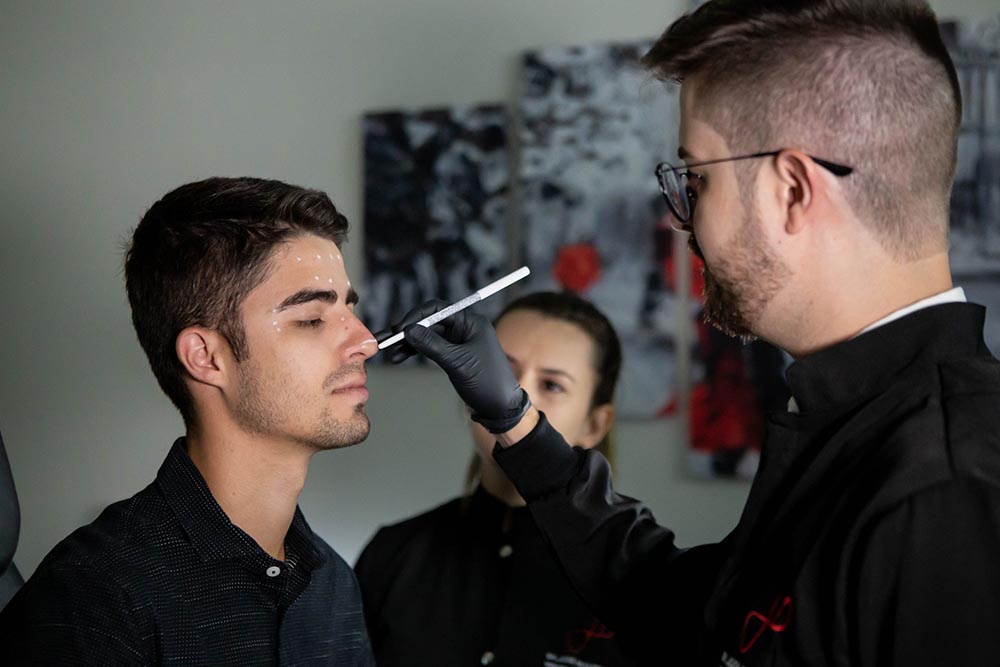
Your face is part of how you recognize yourself and how others recognize you.
Yet cameras, video calls, filters, and edited photographs can make appearance feel like a constant public assessment. Cosmetic facial procedures now sit at the intersection of medicine, aesthetics, and personal identity. In Nashville and across the United States, interest in facial treatments reflects a wider conversation about confidence and choice. The American Society of Plastic Surgeons reported 120,755 eyelid surgeries in 2024, showing that facial procedures are a significant part of cosmetic care. Numbers, however, cannot explain what motivates an individual or determine whether a procedure is right for them.
A Thoughtful Starting Point
If you are exploring your options, speaking with a qualified specialist can help you understand what is realistic for your features and goals. If you’re seeking a qualified facial plastic surgeon Nashville has plenty of options to explore. Take time to research your choices, review credentials, and schedule a consultation to understand which procedures may suit your needs and expectations.
When Everyday Images Change Your Perspective
Most people once saw their faces mainly in mirrors and occasional photographs. Now, front-facing cameras, work calls, and social platforms create frequent opportunities to scrutinize every detail. A lens can distort proportions, while lighting and angles may make features appear different from how they look in person. Filters can go further, smoothing skin, reshaping noses, enlarging eyes, or sharpening jawlines.
Repeated exposure to edited images may quietly reset expectations. A feature that never bothered you can suddenly seem like a flaw when compared with a polished digital version. A Forbes article about beauty filters and self-image explores how people may compare their real appearance with an edited image of themselves. The key is remembering that online images are often constructed, not neutral records of reality.
What Facial Procedures Can—and Cannot—Change
Facial procedures cover a wide range of goals. Rhinoplasty reshapes the nose and may also address breathing concerns. Blepharoplasty changes the appearance of the eyelids, while facelifts and neck lifts address certain signs of aging. Brow lifts, chin augmentation, fat grafting, and skin resurfacing may be considered for other concerns. Some treatments involve surgery; others use injections, lasers, or devices.
The right approach depends on anatomy, skin quality, health, expectations, and the concern being treated. Good planning respects facial balance and individual features rather than forcing everyone toward one fashionable look. A subtle change may be more satisfying than a dramatic transformation, and no procedure can guarantee perfect symmetry or a particular emotional outcome.
Surgery may change a feature, but it cannot control how other people behave, guarantee career success, or repair every source of insecurity. A realistic goal is specific and personal, such as addressing a long-standing concern or restoring a feature altered by injury or aging.
Confidence Should Not Depend on Perfection
People consider cosmetic treatment for many reasons. Some want to feel more comfortable with a feature that has bothered them for years. Others hope to look less tired or feel that their outward appearance better reflects how they feel inside. These motivations can be valid, but it helps to separate personal preference from pressure to satisfy someone else.
Ask yourself whether you would still want the change if nobody commented on it. Consider whether the goal has stayed consistent or appeared after a difficult event, a critical remark, or hours of scrolling through idealized images. If you expect a procedure to solve relationship problems or remove all self-doubt, pause before proceeding. Confidence grows from several sources, including supportive relationships, meaningful activities, and a kinder view of yourself.
For more perspective on appearance-related concerns, read this informative guide to understanding body image and building a healthier self-view. Remember that normal faces have texture, asymmetry, and signs of age. Accepting these features can be part of making a thoughtful decision, whether or not you choose treatment.
Choosing Carefully and Understanding Recovery
A safe decision begins with a thorough consultation. Ask about the clinician’s qualifications, experience with the specific procedure, likely outcomes, possible complications, anesthesia, scarring, and the chance that further treatment may be needed. Review before-and-after photographs critically: look for consistent results in people with features similar to yours, rather than choosing an image that promises an exact copy of someone else.
Recovery also deserves practical planning. Swelling, bruising, tightness, temporary numbness, and activity limits can occur, depending on the procedure. The initial appearance is not necessarily the final result; some swelling may take months to settle. Arrange time away from work or school, follow post-procedure instructions, and make sure you have help when needed. Ask when exercise, driving, and social activities can safely resume.
Cost should be discussed clearly, including surgeon fees, anesthesia, facility costs, follow-up appointments, and potential revision care. A low price is not automatically good value if important safety measures or aftercare are unclear. Take time to compare options and never feel pressured to book during a first consultation.
When a Non-Surgical Option May Fit
Injectables, resurfacing, and other non-surgical treatments can improve selected concerns with less downtime than surgery. They may help soften certain lines, address mild volume changes, or improve skin texture. Their effects vary and may be temporary. They cannot reliably correct every structural concern or remove substantial loose skin.
A qualified practitioner should explain what a treatment can realistically accomplish, how long results may last, what maintenance might involve, and which risks apply. More treatment is not always better. Sometimes the most useful advice is to wait, choose a simpler option, or decide that no procedure is needed.
Before You Decide, Give Yourself Room
You do not need to reject cosmetic procedures to make a thoughtful choice, and you do not need to pursue one to prove confidence. Start by describing the concern in plain language and deciding what a satisfactory, realistic result would look like. Seek independent information, ask questions, and leave enough time to consider the answers without pressure.
If appearance worries are taking up much of your day, making you avoid people, or leading you to check and compare repeatedly, consider talking with a mental health professional before making a permanent change. Support can help clarify whether the concern is proportionate and what might improve your well-being.
Ultimately, self-image is shaped by far more than a reflection. Cosmetic facial care may help some people feel more at ease with a particular feature, but a sound decision rests on realistic expectations, medical safety, and personal motivation. The goal is not to become someone else. It is to make a choice that respects both your face and your sense of self.