

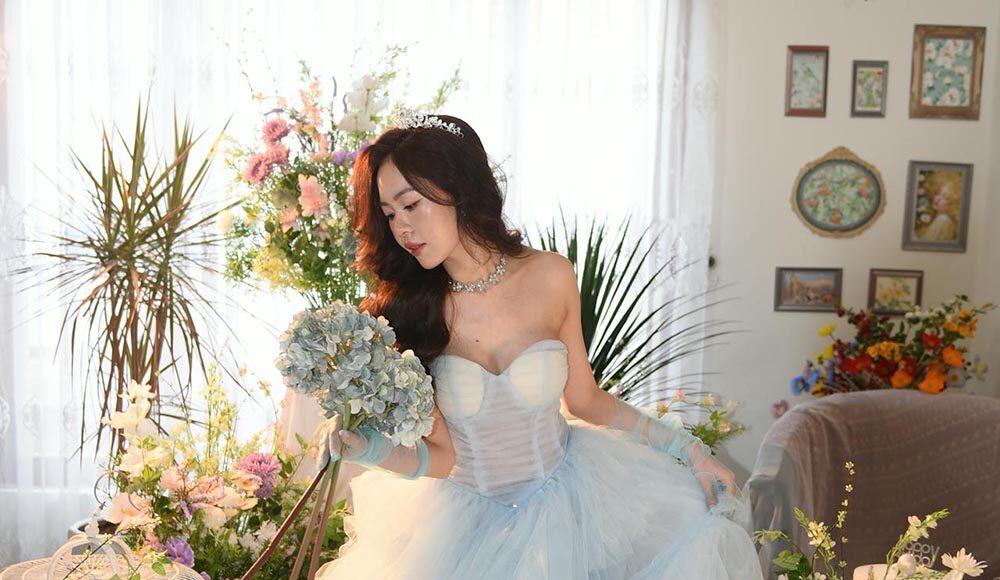
Long prom dresses are a common choice for school proms because they suit the formal nature of the event. Choosing one involves more than appearance alone.
Length, fit, sleeves, comfort, and movement all affect how the dress feels during the night. This guide explains how to choose long prom dresses using clear and practical details so you can make confident and informed choices.
What Is a Long Prom Dress?
A long prom dress is a dress that reaches the floor or sits slightly above it when standing. Some designs lightly touch the ground. Others stop around the ankle. A small train may appear on some styles, but this is less common for prom because it can make movement harder.
People traditionally wear long dresses at formal evening events. Prom often follows this standard. Because of this, schools and venues across the United States widely accept long prom dresses.
Do Prom Dresses Have to Be Long?
Prom dresses do not have to be long unless a school dress code requires it. Many schools allow both long and short dresses.
Long dresses are often chosen because they:
- Match formal event settings
- Look appropriate in large venues such as hotels or ballrooms
- Follow traditional prom expectations
Short dresses can also be acceptable. The best option depends on school rules, event location, and personal comfort.
Before choosing a dress, check your school’s dress guidelines. Some schools have rules about length, slits, or trains. Reviewing these early helps prevent last-minute changes.
How Long Should a Prom Dress Be?
A prom dress should reach the floor or sit slightly above it when worn with prom shoes. The hem should not drag while walking.
To find the right length:
- Select your shoes before fitting the dress
- Try the dress on with those shoes
- Walk, sit, and turn to test movement
If the dress is too long, hemming can correct it. Hemming is one of the most common dress alterations. Proper length reduces tripping, prevents fabric damage, and makes the dress easier to wear for several hours.
Sleeve Options for Long Prom Dresses
Long Sleeve Prom Dresses
Long sleeve prom dresses provide more coverage. They work well for cooler weather or for those who prefer covered arms.
When choosing long sleeves, consider:
- Fabric weight so the dress does not feel heavy
- Sleeve shape so arms move freely
- Fabrics that keep you comfortable and cool while dancing
Sheer or lightweight sleeves often feel cooler and allow better movement than thick materials.
Long Sleeveless Prom Dresses
Long sleeveless prom dresses allow greater freedom of movement. Many styles include straps, halter necklines, or structured bodices to provide support.
When choosing a sleeveless dress:
- Check that straps stay in place
- Make sure the bodice feels secure
- Test comfort while walking and sitting
A secure fit helps prevent constant adjusting during the event.
Choosing the Right Fit
Fit affects both comfort and appearance. A well-fitted dress supports movement and maintains its shape throughout the night.
Key fit areas include:
- Waist placement and how it defines shape
- Skirt movement while walking
- Bodice support without pressure or pinching
A dress should allow you to sit, stand, and dance without discomfort. Prom events often last several hours, which makes comfort essential.
Height, Shoes, and Proportion
Height and footwear strongly affect how a long prom dress looks and fits.
Keep these points in mind:
- Higher heels require more hem length
- Flat shoes may need extra hemming
- Dresses should not cover shoes completely when walking
Trying on the dress with the planned shoes helps avoid length issues and improves balance and posture.
Color and Design Considerations
Color and design influence how a long prom dress appears. Dark colors often create a clean and balanced look. Lighter colors can highlight fabric texture and movement.
For example, a black long prom dress with straps often appears structured and simple. Dresses with heavy detail on the bodice usually look more balanced when paired with a simpler skirt.
When reviewing design details:
- Look for visual balance
- Avoid overcrowded embellishments
- Check how the dress looks from multiple angles
Simple designs often feel more comfortable and photograph well.
Practical Considerations Before Choosing
Prom involves walking, sitting, and dancing. A dress should support all three.
Before making a final decision, consider:
- Walking without lifting the hem
- Sitting without fabric bunching
- Dancing without feeling restricted
Small adjustments such as hemming or strap tightening can improve comfort. Taking care of these adjustments ahead of time can help avoid stress before the event.
Frequently Asked Questions About Long Prom Dresses
Do prom dresses have to be long?
No. Many schools allow different dress lengths unless rules say otherwise.
How long should a prom dress be?
It should reach the floor or sit just above it when worn with prom shoes.
Are long prom dresses suitable for all venues?
Yes. They are appropriate for most formal prom locations.