
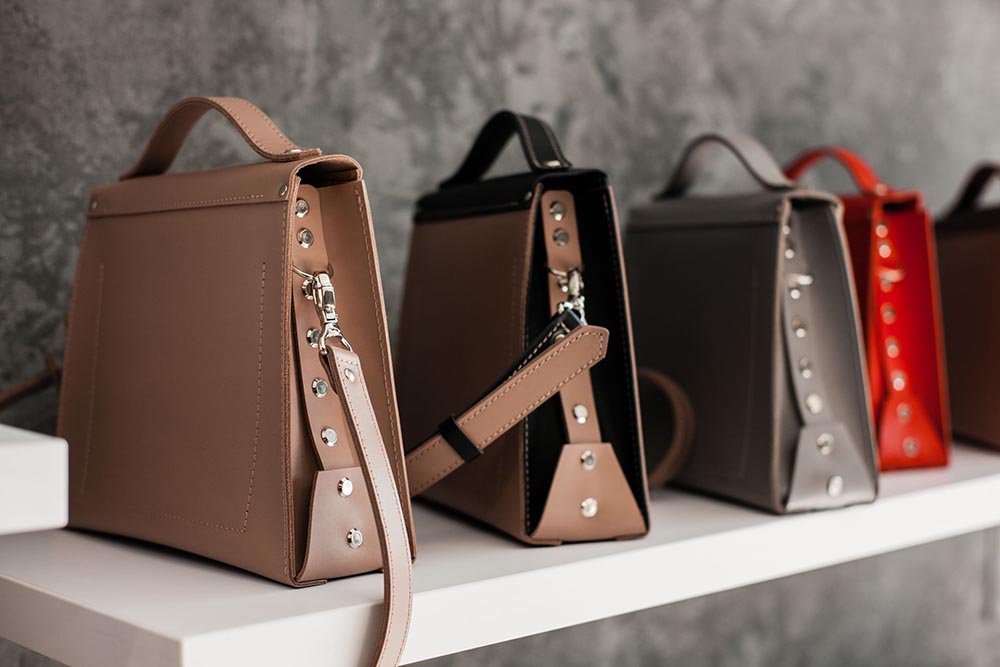
Pre-owned designer handbags in the UK have moved from niche to mainstream.
Repeated price rises at the major fashion houses have pushed many new bags well beyond £5,000, popular colours and leathers can mean months on a waiting list, and buying second-hand keeps beautifully made pieces in use for longer. The resale market also offers something boutiques cannot: discontinued styles, vintage editions and colourways that are no longer produced.
So, is it safe to buy a second-hand designer bag? It can be, provided you know what to check. This guide explains how to buy a pre-owned designer handbag with confidence, from choosing a seller to reading condition grades.
Choose a Reputable Seller
Where you buy shapes the evidence you can see and the protection you have if something goes wrong. Whoever you buy from, look for four things: a clear authentication process, a written returns policy, sharp photographs of the exact bag with an honest description, and recent reviews.
Specialist pre-owned retailers. These businesses buy, inspect and sell bags themselves, so you deal with one accountable seller. London-based S&R Jewellers is one example: each bag is inspected by its specialists and independently verified by a third-party authentication service before sale, and comes with an authenticity certificate. Buyers can browse online or view pieces in one of its three London showrooms, with free UK delivery and 14-day returns. Whichever specialist you consider, ask who authenticated the bag and whether the photographs show the exact item.
Marketplaces. Platforms connect you with many sellers, so protection depends on the listing. eBay’s Authenticity Guarantee covers eligible handbags, which are physically inspected before delivery, so check the listing qualifies. Vestiaire Collective treats purchases from individual sellers differently from professional ones, with no change-of-mind returns on individual-seller items.
Private sellers. Prices can be lower, but a private sale carries far fewer consumer protections and no automatic right to return a bag you simply don’t want. Ask for detailed photographs and any paperwork, and consider an independent authentication before paying.
When you buy online from a UK business, you generally have 14 days after delivery to cancel. In a shop, change-of-mind returns depend on the store’s own policy.
Check Authenticity
Authentication means assessing the whole bag, not a single detail. A convincing logo cannot outweigh poor stitching or the wrong hardware.
- Stitching: Look for even, consistent stitches, particularly along edges and where handles meet the body.
- Hardware: Engraving should be crisp, and zips, clasps and feet should feel substantial rather than hollow.
- Logos and heat stamps: Check spacing, font and depth against reference images of the same model and era.
- Date codes, serial numbers and microchips: These vary by brand and age. Louis Vuitton, for example, moved from date codes to embedded microchips in 2021, so an older bag without a chip isn’t a warning sign.
- Materials: Leather, canvas and lining should match the stated model and feel right in the hand.
- Dust bag and box: Useful supporting evidence, but packaging can be faked, so never treat it as proof.
If any detail leaves you uncertain, pay for an independent authentication service before committing. Check whether it inspects the bag in person or works from photographs, and what written report you’ll receive.
Understand Condition Grades
There is no industry-wide grading standard, so always read a seller’s definitions. Most use a version of this scale:
- New: Unused, often with tags and original packaging.
- Excellent: Carried lightly, with only faint signs of use.
- Very good: Light visible wear, such as minor corner rubbing or slight hardware scratches.
- Good: Noticeable wear that is reflected in the price, such as patina, scuffs or interior marks.
Whatever the grade, ask for close-ups of five areas:
- Corners: Rubbing, worn colour or cracked edge paint.
- Handles: Darkening, cracking or signs of rewrapping.
- Interior: Pen marks, make-up stains or lifting lining.
- Hardware: Worn plating, loose fixings, scuffed protective metal feet and closures that don’t work properly.
- Odour: Ask directly about smoke, perfume or mustiness, which photographs cannot show.
Also ask whether the bag has been restored, re-dyed or re-edged, as this can affect both appearance and value.
Know What Paperwork to Expect
Receipts can support a bag’s age and history but cannot authenticate it on their own, since they can be forged.
Authenticity cards depend on the brand and era. Some houses have issued cards with certain bags; Hermès has never issued them, so a missing card on a Birkin is normal.
Certificates from a retailer or independent authenticator are different from documents issued by the fashion house. Check who issued the certificate, what was examined and whether it relates to the exact bag you’re buying.
Brands That Hold Their Value
Some houses have earned a reputation for strong resale value, making a well-chosen bag a sound purchase as well as a pleasure to carry.
Hermès. The Birkin and Kelly sit at the top of the resale market, and rare pieces regularly headline specialist Hermès handbag auctions. They are hard to buy new, and well-kept examples often command prices close to or above retail.
Chanel. The Classic Flap is one of the most consistently sought-after pre-owned bags, helped by repeated retail price rises and long waits for popular colours and leathers.
Louis Vuitton. Classics such as the Speedy, Alma and Neverfull hold value well, particularly in good condition and enduring canvases.
Dior. The Lady Dior remains a house icon, and classic sizes and colours stay in steady demand.
No bag is a guaranteed investment, as condition, colour, size and demand all play a part. But buying a well-maintained classic from a trusted seller gives you the best chance of enjoying it for years and recovering much of its value if you ever sell.
The Final Word
Buying pre-owned is one of the most rewarding ways to own a designer bag. Choose a seller with a clear authentication process and returns policy, check the details for yourself, read condition grades carefully and keep every document. Do that, and the bag you carry home will be the one you hoped for.