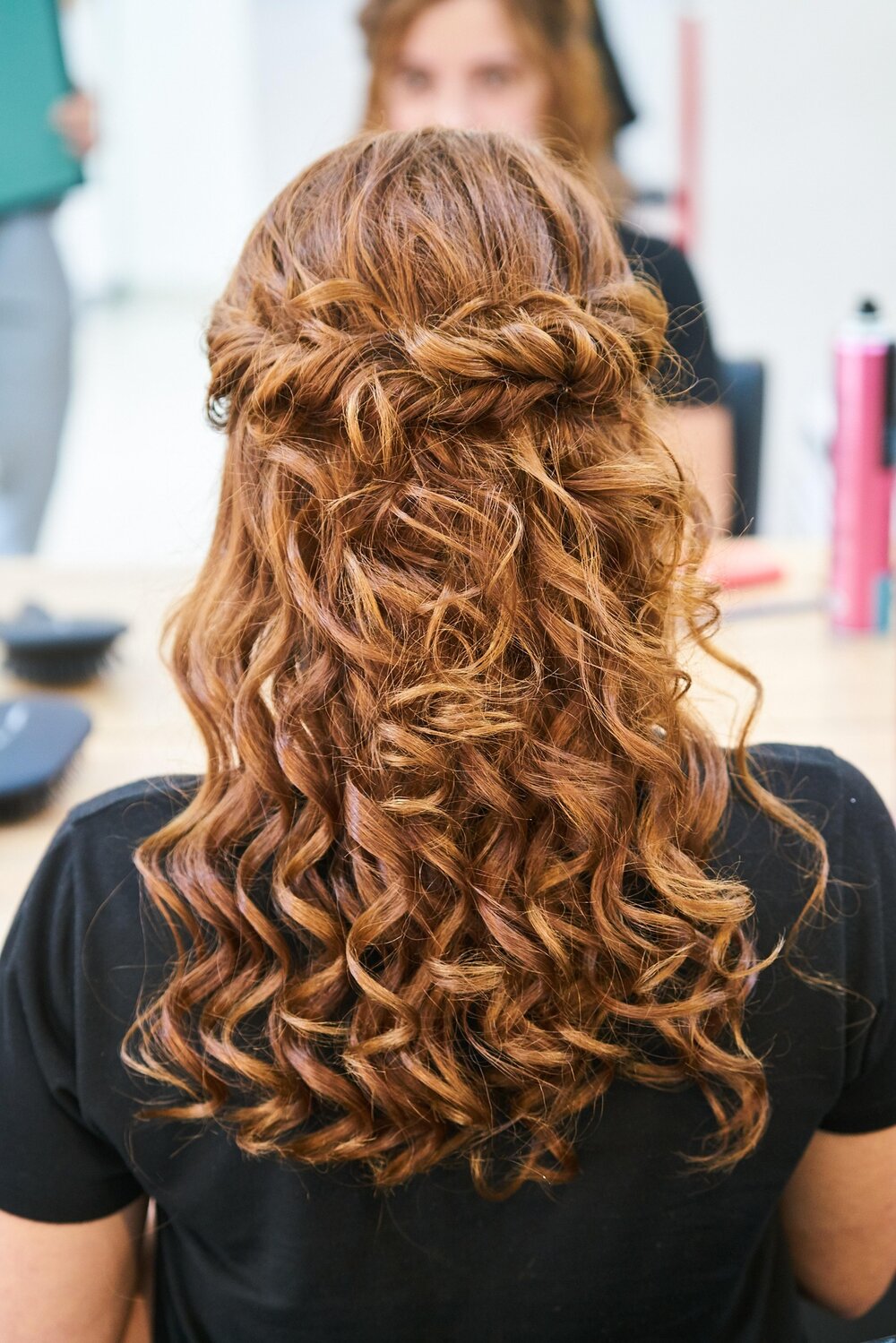
Weft hair extensions are rows of human hair sewn along a thin strip, or weft, that a stylist attaches in a line across the head to add length and volume without heat, glue or daily effort.
They have quietly become the extension method stylists and editors reach for first, because done well they are invisible and kind to your own hair.
If you are weighing up methods, it helps to see the real thing: premium Brazilian weft hair extensions made from single-donor human hair move, tone and style exactly like the hair they sit beside.
What a weft actually is
A weft is a horizontal strip of hair, like a curtain, rather than individual strands or clips. The stylist creates a discreet anchor across your head, usually a row of small beads or a braid, then sews the weft onto it. Nothing is glued to your strands and no heat touches your hair, which is why the method has a reputation for being gentle.
Clip-ins are the other weft-based option most people know. They are temporary and go in and out daily, which is why Elle’s guide to clip-in extensions treats them as a commitment-free starting point rather than a long-term fit. Sewn-in wefts are the step up when you want the hair to stay put for weeks.
The three weft types: hand-tied, machine and flat
Not all wefts are built the same way, and the construction decides the feel.
| Weft type | How it is made | Best for | Feel |
| Hand-tied | Each strand knotted by hand into a very thin row | Fine to medium hair wanting a flat, natural fit | Very light, low bulk |
| Machine weft | Sewn by machine into a sturdier, fuller row | Thick hair, or anyone wanting more hair per row | Slightly thicker top seam, very durable |
| Flat weft | A thin, flat seam with no bulky track | Most hair types wanting the most seamless lie | Lies flattest and sits closest to the scalp |
Who weft extensions suit
Wefts suit most people who want length, thickness or both and are happy to visit a salon for fitting and upkeep. They are especially good for anyone whose own hair is fine or thinning on the lengths, because a flat weft adds density without pulling. Very short or very fragile hair may need a stylist’s assessment first, since a weft needs enough hair to anchor to comfortably.
Why wefts are the low-tension choice
The appeal of a weft is comfort. Because the hair is attached to a bead row or braid and not to individual strands, the weight is spread out rather than hanging off single sections. A thin, flat weft in particular keeps the profile close to the head, so it feels light and stays hidden even in fine hair. Your natural hair is left free of glue, bonds and heat.
Caring for wefts, and how long they last
Weft extensions made from quality human hair typically last around nine to twelve months with good care, while the fitting is moved up every six to eight weeks as your hair grows. Day to day, treat them like your own hair: a gentle sulphate-free shampoo, conditioner through the mid-lengths and ends, a heat protectant before styling, and a soft brush from the ends up. A silk pillowcase and a loose plait at night keep them smooth for longer. Stylists interviewed by Women’s Health make the same point about any human hair extension: matching colour and texture to your own ends is what makes the blend disappear. Looked after, a single set earns its place many times over.
How to choose and where to start
The right weft comes down to your hair type, the length and volume you want, and a stylist who fits wefts regularly. Look for 100% human hair you can tone and heat-style, a flat, seamless construction, and a brand that is clear about where its hair comes from. Before booking, it is worth comparing the types of hair extension you can use so you walk in knowing what fits your hair. Start with a consultation, match your shade, and let the fitting do the rest.