
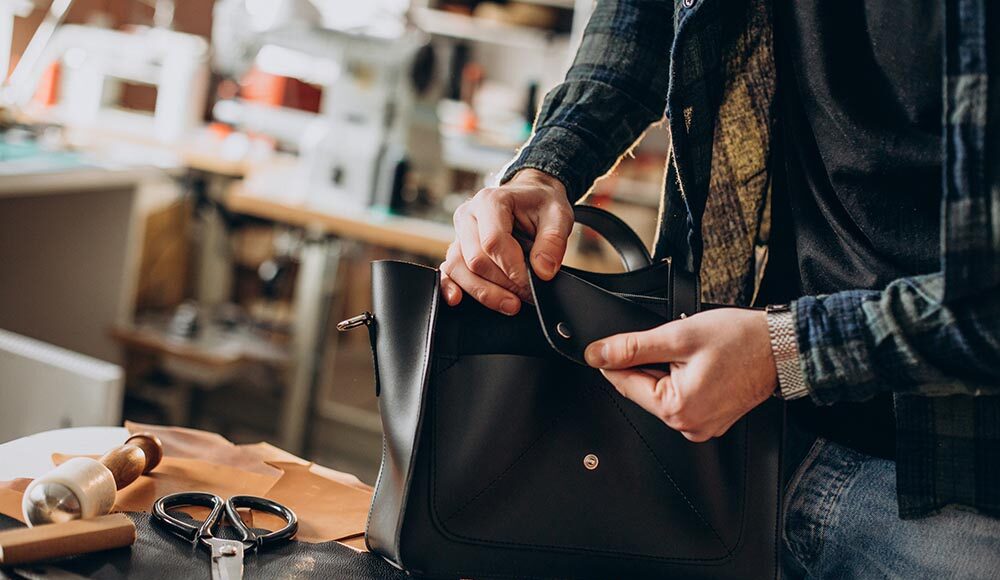
Texture plays an important role in luxury handbag design, adding character without the need for elaborate patterns or excessive decoration.
Among distinctive materials, galuchat leather bags are recognizable for their naturally pebbled surfaces and intricate craftsmanship. Made from stingray leather, Galuchat has a rich history in decorative arts and continues to inspire accessories that combine traditional techniques with contemporary aesthetics.
From elegant clutches to structured handbags and crossbody styles, Galuchat offers designers creative possibilities through its unique texture, colour variations, and specialized finishing methods.
The Heritage of Galuchat Leather in Luxury Craftsmanship
Galuchat leather has a longstanding connection to decorative craftsmanship. Known for its distinctive granular texture, the material was historically used to create objects that combined unusual surfaces with refined detailing.
During the 18th century, European craftsmen incorporated stingray leather and other forms of shagreen into decorative boxes, furniture, and personal accessories. Its unusual texture offered an alternative to conventional leather, while polishing and colouring techniques enhanced its appearance.
Galuchat later gained renewed attention during the Art Deco period, when designers explored geometric forms, contrasting materials, and sophisticated finishes. This historical connection continues to influence contemporary handbag design, where traditional materials are reinterpreted through modern silhouettes.
What Makes Galuchat Leather Different From Traditional Leather?
Galuchat stands apart from conventional leather because of its dense, pebbled texture. The surface consists of small, hard structures that create a distinctive appearance, sometimes featuring a recognizable central pearl pattern.
Each skin has natural variations, giving finished accessories individual character. The material is also naturally firm, requiring specialized preparation before it can be used in handbag construction.
Leatherworkers employ techniques such as thinning, polishing, and precise cutting to prepare Galuchat for different designs. Colour further influences its appearance, with deep shades emphasizing its texture and lighter tones creating a softer effect.
These characteristics make Galuchat an interesting choice for designers seeking distinctive materials without relying on elaborate embellishments.
How Galuchat Leather Shapes Contemporary Handbag Design
Galuchat’s textured surface complements various handbag styles, particularly designs that emphasize clean lines and carefully selected materials.
Structured Handbags and Evening Clutches
Structured handbags and compact clutches allow Galuchat’s texture to become the main design feature. Minimal hardware, polished closures, and simple silhouettes help highlight the leather’s natural appearance.
Designers may also combine Galuchat with smooth leather to create contrast while maintaining an elegant overall look.
Contemporary Crossbody and Statement Bags
Galuchat can also be incorporated into modern crossbody bags and statement accessories. Compact shapes, adjustable straps, and practical compartments allow the material to complement contemporary designs.
This approach reflects how traditional techniques continue to influence accessories. As explored in Fashion Week Online’s article on the evolution of woven bags, heritage craftsmanship can be adapted to modern fashion preferences.
Colour and personalization provide further possibilities. Designers can experiment with different shades, hardware, and leather combinations to create distinctive collections while preserving Galuchat’s recognizable texture.
The Role of Craftsmanship in Creating Luxury Galuchat Handbags
Creating Galuchat handbags requires specialized skills because stingray leather is naturally firm and difficult to work with. Careful cutting, thinning, polishing, and edge finishing help prepare the material for handbag construction.
These processes influence both the appearance and functionality of the finished accessory. Precise stitching and thoughtful material placement are especially important when working with Galuchat’s distinctive surface.
AKNAS, a Bangkok-based specialist in stingray leather goods, applies these techniques to custom handbags, clutches, and crossbody bags. Its manufacturing approach combines traditional leatherworking knowledge with contemporary design requirements, allowing fashion brands to explore different shapes, colours, and finishes.
Such craftsmanship demonstrates how specialized materials can be transformed into accessories that reflect both technical expertise and creative design.
Why Material Heritage Still Matters in Modern Luxury Fashion
Material heritage gives luxury accessories character beyond their appearance. Galuchat’s history in decorative arts connects contemporary handbag design with traditional techniques developed over generations.
The influence of historical craftsmanship can also be seen in Art Deco design in Paris, where distinctive materials, geometric forms, and decorative details helped define an influential design movement.
For contemporary designers, this heritage provides opportunities to reinterpret established materials through modern shapes and construction methods. Attention to material sourcing, craftsmanship, and finishing also helps brands make informed production decisions.
Galuchat illustrates how traditional materials can remain relevant through thoughtful design and skilled manufacturing.
Conclusion
Galuchat leather brings together distinctive texture, decorative heritage, and specialized craftsmanship. Its naturally pebbled surface makes it suitable for a variety of accessories, from elegant evening clutches to contemporary crossbody bags.
Manufacturers such as AKNAS demonstrate how traditional leatherworking techniques can support modern handbag design. Through careful material preparation and thoughtful construction, Galuchat continues to offer designers a distinctive approach to luxury accessories.