

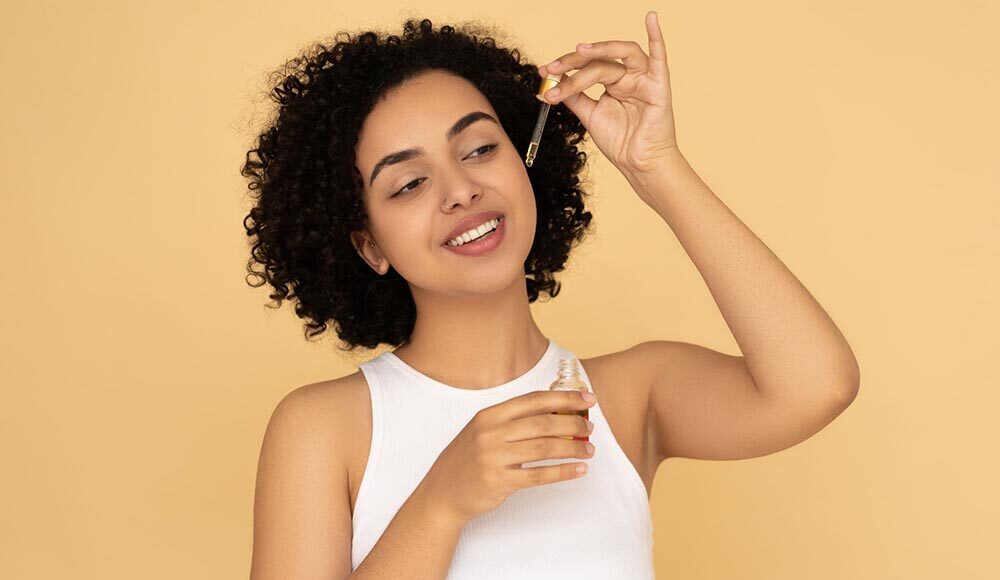
Thicker, fuller hair starts at the scalp, so the most useful thing you can do is care for the scalp skin your hair grows from.
A healthy scalp supports healthy hair follicles, while an irritated or oily scalp works against them. This guide covers what actually supports hair growth, why the scalp matters most, and how gentle botanical care helps thinning hair look fuller. It is the thinking behind Frøya Organics, a Norwegian line built on wild Arctic botanicals.
This is about supporting your hair and scalp naturally, not chasing quick fixes.
Key Takeaways
The short version of supporting thicker, fuller hair:
- The scalp comes first. Proper scalp care is linked to improved hair growth and retention, so a healthy scalp is the foundation.
- Gentle beats harsh. Hot styling tools and harsh chemicals cause breakage, so soft handling protects the hair you have.
- Feed it from inside. A nutritious diet prevents deficiencies that can trigger hair shedding.
- Botanicals support the scalp. Rosemary, peppermint, and nourishing oils calm the scalp and support fuller-looking hair.
- Frøya’s approach. A botanical hair and scalp line like Frøya’s supports a healthy scalp without harsh chemicals.
Why Scalp Health Comes First for Healthy Hair
Scalp health comes first because hair grows out of scalp skin, and healthy skin grows healthier hair. The scalp is skin, with its own oil production, skin barrier, and microbiome. When the scalp is balanced, hair follicles have a better environment to work in. Proper scalp care is linked to improved hair growth and retention.
An unhealthy scalp shows up fast. Dandruff, an oily scalp, oily hair, a dry scalp, scalp inflammation, and conditions like seborrheic dermatitis all point to a scalp condition that is out of balance. Dead skin builds up when the scalp is neglected, whatever your hair type. A sensitive or irritated scalp can slow things down, while a healthy scalp gives hair its best start.
Blood flow matters too. Proper scalp care can enhance local blood circulation to the hair follicles. This feeds the dermal papilla cells that sit at the base of each follicle. Healthy scalp care promotes hair growth and retention. That is why scalp care is the real starting point, not an afterthought.
What Causes Hair Loss and Thinning Hair
Hair thinning comes from a mix of genetics, hormones, stress, diet, and damage, so there is rarely one single cause. Genetics influences hair growth rate and predisposition to conditions like baldness. That includes female pattern hair loss and androgenetic alopecia. That genetic side is why pattern hair loss and hair loss in women often run in families. Deeper down, blood vessels in the subcutaneous tissue feed each follicle, so circulation matters too.
Life adds to it. High physical or psychological stress can trigger telogen effluvium, causing excessive shedding. Hormonal fluctuations can cause temporary hair shedding. This is common with postpartum changes and menopause. Diet plays a part too. Inadequate intake of essential nutrients can prematurely push hair into the resting phase. Nutritional deficiencies can lead to hair thinning.
Then there is the damage we do ourselves. Hot styling tools and harsh chemicals can lead to mechanical breakage of hair. Excessive heat styling and hair dyes take a toll. Harsh hair care products can damage hair and scalp. Oxidative stress can lead to hair loss. This builds over time. Environmental pollutants can contribute to scalp issues. That piles on top of everything else.
Why Mature Scalps Need Extra Care
A mature scalp needs gentler care because oil production drops, the scalp thins with age, and it reacts more, so the harsh products that once worked can start to backfire. For women over 40, hair thinning and scalp changes often show up alongside skin changes, and the same drop in natural oils and resilience is behind both.
Hormones drive a lot of it. Perimenopause and menopause shift the hormones that keep hair in its growth phase, so many women notice more shedding, thinning hair, and finer strands. Hair loss in women often begins here. Lower oil production leaves a dry scalp that loses moisture faster and can turn tight, flaky, or sensitive, so a once-normal scalp type shifts toward a dry or sensitive scalp condition. Keeping the scalp healthy matters more than ever, because scalp health is what supports the hair you still have.
This is exactly where a gentle, nourishing routine earns its place. A mature scalp does better with botanical oils and a mild cleanse than with stripping shampoos or strong actives that upset natural oils. Frøya’s hair and scalp line is built for mature hair, using rosemary, peppermint, and nourishing oils to keep the scalp healthy and support stronger hair and thicker hair without harsh chemicals. For women over 40, that gentle, consistent care is what keeps the scalp comfortable and supports fuller, healthier hair over time.
Clinical Options for Hair Health Compared
Clinical hair-loss options work, but they are often harsh, ongoing, and expensive, which is why many people look for a gentler route. It helps to know what is out there. The Big 3 for thinning hair are minoxidil, finasteride, and ketoconazole. Minoxidil is the most proven product for hair loss.
Beyond the Big 3, clinics offer more involved options. Low-Level Light Therapy energizes cellular activity in hair follicles using laser caps or combs. Microneedling creates controlled micro-injuries on the scalp to stimulate blood flow. The aim is to increase blood flow to the roots. Platelet-Rich Plasma involves injecting growth-factor-rich plasma into the scalp. Omega-3 supplements may promote hair growth and prevent loss. Biotin, caffeine, and rosemary oil for hair can temporarily thicken hair.
These have their place, and treating hair loss with a medical cause is a job for a board certified dermatologist. But they can be harsh on the scalp. Promoting hair growth requires a tailored approach to the underlying cause. For everyday support, gentle botanical scalp care protects the scalp rather than stressing it, which is the route Frøya takes.
How Natural Botanical Care Supports Hair and Scalp
Natural botanical care supports hair and scalp by keeping the scalp clean, calm, and nourished, so follicles have a healthy base to work from. Frøya Organics builds its hair and scalp line on botanicals chosen for exactly this.
Rosemary is the standout. Frøya’s rosemary leaf oil and rosemary water calm the scalp and support a healthy environment for hair. Biotin, caffeine, and rosemary oil can temporarily thicken hair. Peppermint adds a cooling, stimulating feel that pairs with rosemary to wake up the scalp. Nourishing oils like jojoba, avocado, and argan oil soften the hair shaft and protect against hair breakage, supporting stronger hair that looks fuller. Botanical extracts like nettle, horsetail, ginseng, and saw palmetto are traditional scalp-care botanicals that round out the blend.
A gentle cleanse matters more than a harsh one. Frøya’s shampoo cleans the scalp without stripping natural oils, so the scalp stays balanced instead of swinging between oily and dry. Paired with the rosemary water and serum, it is a simple hair care routine that supports scalp health, healthier looking hair, and thicker hair. Over time, that steady care shows as increased hair thickness and better hair thickness overall. In Frøya’s own testing, 79% of users noticed visibly fuller hair and 93% reported improved scalp health within six weeks, results the brand reports from its customers.
What to Expect Week by Week
Natural scalp care works gradually, so here is the timeline Frøya describes for its hair and scalp routine. These are the brand’s stated expectations, not a promise, since results vary by person.
- First 24 hours: the scalp feels calmer, with early relief from itchiness and hair that feels clean but not stripped.
- Around 3 days: the scalp feels more hydrated and less tight, and hair feels less brittle.
- Week 1: less shedding during washing and brushing, and hair starts to feel silkier.
- Month 1: the scalp feels calm and nourished, and hair looks fuller and thicker at the root.
- Month 3 and beyond: shine returns, more baby hairs appear, and hair looks fuller overall.
Consistency is the thread through all of it. A healthy scalp is a long game, not a weekend fix.
Everyday Hair Care Habits for Fuller Hair
The habits around your routine matter as much as the products, because gentle handling and good nutrition protect the hair you already have. Small changes add up, especially on a sensitive scalp. The hair products and styling products you choose, and how you go about washing your hair, all matter.
- Wash on a sensible schedule. Washing hair three to four times a week is recommended. That is enough for most scalp types to keep the scalp clean without over-stripping.
- Handle wet hair gently. Wet hair breaks easily, so use a wide tooth comb and skip rough towel-drying.
- Turn down the heat. Excessive heat styling weakens the hair shaft, so lower the temperature and use a heat protectant spray when you do style.
- Feed your hair. A nutrient-dense diet should include adequate protein and essential nutrients to support hair health. A diet rich in key nutrients prevents the deficiencies that trigger shedding.
- Manage stress. Chronic stress management is important to prevent stress-induced hair shedding conditions.
- Care for the microbiome. Hydration helps prevent scalp dryness and irritation. Probiotics may improve scalp health by balancing the microbiome.
Do these consistently, and you protect the hair you have while giving new hair growth its best shot at optimal hair growth. Skip gimmicks like a harsh detox shampoo, which can strip the scalp more than it helps.
Key Nutrients and Habits at a Glance
Supporting hair health is part topical, part lifestyle. On the topical side, gentle cleansing and botanical oils come first, with the occasional scalp scrub. Scalp scrubs can help remove excess skin cells and oil, and looking after the scalp’s microbiome keeps it balanced. On the nutrition side, protein, omega-3s, and key nutrients from a diet rich in whole foods do the work, with a nutritional supplement only where a nutrient deficiency exists. Protecting the hair matters too: less heat, fewer harsh chemicals, and gentle styling prevent hair damage. Above all, stay consistent, since hair growth begins at the scalp and steady care beats any single quick fix.

FAQ
What is the best way to support hair growth naturally?
Start with the scalp. Proper scalp care is linked to improved hair growth and retention, so gentle cleansing, botanical oils, and scalp massage come first. Feed your hair with a nutrient-dense diet, and protect it from heat and harsh chemicals.
Does scalp health really affect hair growth?
Yes. Hair grows out of scalp skin, so a healthy scalp gives follicles a better environment. Healthy scalp care promotes hair growth and retention, while an oily, dry, or inflamed scalp works against it.
Can natural products help thinning hair?
They can support it. Botanicals like rosemary, peppermint, and nourishing oils calm the scalp and help hair look thicker and fuller. For hair loss with a medical cause, see a board certified dermatologist, but for everyday support, gentle botanical care protects the scalp.
How often should I wash my hair?
Washing hair three to four times a week is recommended for most scalp types. Oily scalps may need a little more, dry scalps a little less. The goal is a clean scalp without stripping its natural oils.
What habits damage hair the most?
Excessive heat styling, hair dyes, and harsh chemicals do the most damage, since hot styling tools and harsh chemicals can lead to mechanical breakage of hair. Gentle handling, a wide tooth comb, and less heat protect the hair you have.