In the weeks before a major show, the packages start stacking up in editors’ mailrooms and stylists’ studios.
A shoe label sends a single sample in a dust bag with a handwritten card. A beauty brand sends a full backstage look in a molded tray. A new designer sends a box that holds one piece from the collection and nothing else.
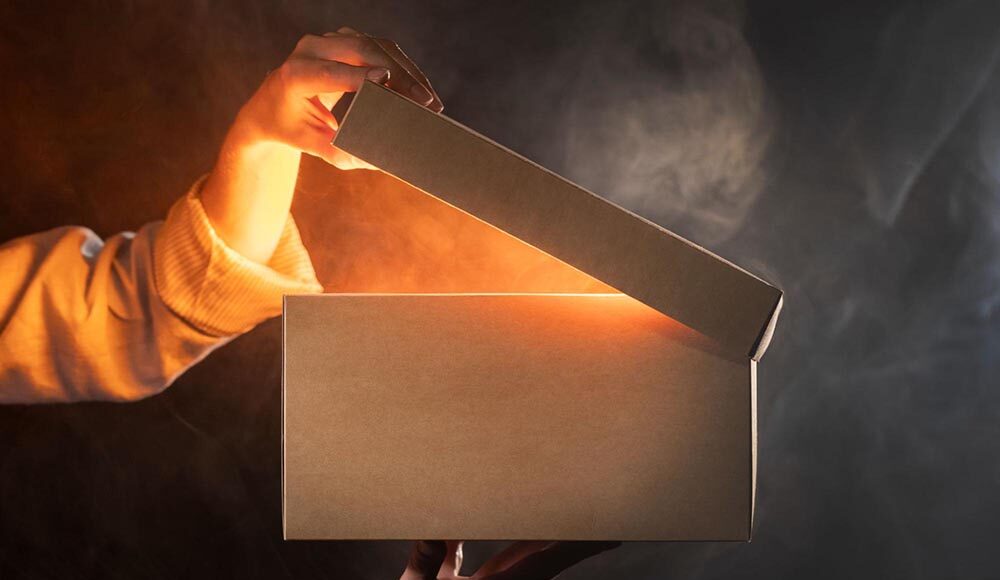
These PR boxes, also called seeding kits or press mailers, have become part of how collections get talked about. The runway gets the photographs, but the box is often what an editor or creator touches first, and it shapes whether the product ends up in a story, a haul video, or a donation bag.
Building a Box That Matches the Collection
The strongest kits carry the same idea as the collection itself. If a designer’s season is built around raw denim and industrial hardware, a glossy pink box with tissue paper sends a mixed message. Material, color, closure, and insert should all feel like they came from the same studio as the clothes.
Many fashion teams lack the in-house capacity to design, source, and pack a few hundred of these at once, so they work with experiential agencies. Activate Experiential, based in Ferndale, Michigan, is one of them. Activate specializes in PR Boxes custom tailored to your needs, and its work covers printed boxes with 360-degree branding and magnetic closures, custom inserts made with foam sculpting or woodworking, influencer seeding kits, and in-house kit assembly before shipping. That last step matters for apparel, where a mispacked size or a crushed collar undoes the effort.
Packaging also has a second life. Canvas bags, for example, often double as the outer layer of a lookbook mailer, and designers put real thought into how they source custom totes for PR kits and front-row gifting because recipients keep carrying them long after the season.
Timing Kits Around the Show Calendar
Once the box is designed, timing drives almost every other decision. Editors plan coverage around the fashion week calendar, and a kit that lands the week of the show competes with a pile of invitations, samples, and courier deliveries. Brands usually choose between two windows: early enough that the recipient can wear or test the product before the season’s coverage begins, or late enough that the box arrives after the shows, when inboxes are quieter and editors are writing trend roundups.
Launch dates matter just as much. A capsule collection or fragrance timed to drop during show week needs boxes that land before the embargo lifts, with a clear note about when the recipient can post. A box that shows up after the launch posts have gone live gets far less attention, however good it looks.
Lists, Sizes, and Logistics
Start with the send list. Fashion PR teams usually split recipients into tiers: editors who cover the category, stylists who dress clients for events, and creators whose audiences match the brand’s customer. Each tier may get a different kit, and some brands send a smaller preview to a wide group and a full kit to a short list.
Apparel has a fit problem that beauty and food brands rarely face. Sending a sample in the wrong size means the piece never gets worn on camera. Teams that do this well confirm sizes and addresses in advance, often with a short opt-in message, which also cuts waste from people who never wanted the product.
Addresses are harder during show season than at any other time of year. Editors travel from New York to London, Milan, and Paris over about a month, and a package left at an empty office can sit for weeks. Ask where each person will be, note who needs a signature, and track every box until it is delivered.
Disclosure Rules Travel With the Box
Gifted product comes with legal obligations in the United States, and they apply to fashion as much as to any other category. The FTC’s guidance for social media influencers says that if a brand gives someone free or discounted products and they then mention one of its products, they should disclose that relationship, even if they weren’t asked to post. The disclosure needs to be hard to miss, placed with the post itself rather than buried in a profile, a string of hashtags, or a “more” link.
Brands carry responsibility too. The agency’s FAQ on its Endorsement Guides states that a company sending an unsolicited free product should ask recipients to clearly disclose the gift, tell them how to disclose it, ask them to tag the brand, and monitor the tagged posts that follow. In practice, that means the insert card in a fashion kit should do more than say thank you. A short line asking recipients to note the gift if they post, with suggested wording such as “gifted by” plus the brand name, protects both sides.
Disclosure rarely hurts the content. Audiences are used to seeing “gifted” on a try-on video, and a creator who likes the piece will still say so.
Measuring What the Box Did
Counting impressions after a seeding campaign is tempting, but the numbers that tell a fashion brand something useful are more specific. Which recipients wore the piece in public or on camera? Which editors mentioned the collection in coverage, and did the box come up in their notes? Which sizes and colors got posted, and which never left the box? A handful of posts from people who regularly wear the brand can matter more than a large number of quick unboxing clips that disappear in a day.
Keep a simple record for every recipient: what they received, when it arrived, whether they posted, and whether the post carried a clear disclosure. After two or three seasons, that record shows which people and which kinds of boxes are worth the cost, and it gives the next season’s send list a starting point grounded in what recipients did with the product.