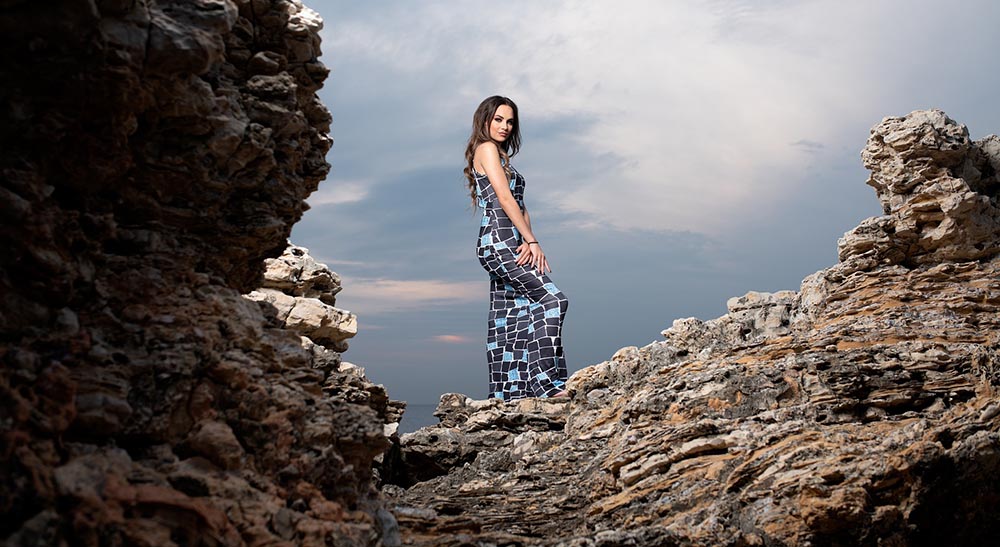
Editorial fashion photography has always relied on more than just a good camera.
Between runway shows, backstage moments, and lookbook shoots, brands and stylists end up with hundreds of raw images that need real work before they’re ready to publish — color correction, background cleanup, and a consistent visual mood across the whole set.
The Traditional Cost of Polish
Every fashion image tells a slightly different story depending on how it’s treated after the shoot. A magazine spread has its own visual language: specific color tones, a particular kind of lighting, backgrounds that don’t distract from the clothing itself. Getting there usually meant hiring a retoucher or sending files to an outside studio — a cost that adds up fast when you’re dealing with dozens of images from a single event.
For smaller labels, independent photographers, or up-and-coming designers, that expense is often the biggest obstacle standing between raw content and something they can actually publish.
A Faster Path From Camera to Publish
Newer editing tools let someone skip the manual, image-by-image process and instead apply a described change directly. A cluttered backstage background can be replaced entirely. Flat lighting from a runway can be pushed toward the warmer, more considered look of a studio shoot. None of this requires reshooting under different conditions or hiring extra hands.
The real value shows up at scale. A single show’s worth of photos needs to feel like one continuous story, and getting that consistency by hand — matching color and mood across fifty or a hundred Free AI Image Editor Online — takes far more time than applying one direction across the whole batch at once.
Where the Editing Actually Happens
A few adjustments come up again and again in this kind of work: correcting harsh overhead lighting from the runway, swapping out a distracting background for something cleaner, matching a shoot’s colors to a brand’s established palette, and smoothing motion blur from photos taken mid-walk. None of these are complicated changes individually, but doing them across dozens of images by hand is where the time really goes.
Opening the Door for Smaller Teams
Big publications and established brands have long had an advantage here simply because they can afford in-house retouching teams. Tools people can use to edit photos for free without any signup shrink that gap noticeably — a stylist or small studio can test an idea immediately, rather than deciding whether it’s worth the investment before even seeing a result.
That kind of low-friction access matters most right after a show, when interest in the collection is highest and speed determines how much attention the content gets.
Who this changes things for: solo photographers and stylists without a retoucher on staff, emerging designers building a visual identity on a limited budget, smaller publications trying to cover events on tight turnaround, and social media teams reformatting images for different platforms in real time.
Keeping the Details Intact
Fashion photography lives or dies on specifics — the exact drape of a fabric, an accurate color, the silhouette of a garment. When editing this way, being precise about what should change (and what shouldn’t) matters more than usual, since vague instructions can alter details that were never meant to move. A clean, well-lit original photo also tends to produce noticeably better results than a poorly shot one. And it’s worth treating any first attempt as a draft to refine rather than a finished product.
This whole shift is happening against a more contested backdrop. Vogue has publicly weighed in on where AI fits into the industry’s future — Vogue’s discussion on what fashion needs to know about AI — while the broader use of AI-generated models has drawn real criticism from working photographers and models concerned about being replaced — coverage of how AI models are shaking up the fashion industry.
What a Typical Workflow Looks Like
Most teams end up following a similar pattern: raw images come in from the shoot, each one gets edited toward a specific look, the full set gets reviewed together rather than piece by piece (since cohesion matters more than any single image), tweaks get made where something feels off, and the finished batch goes out to wherever it’s needed — a website, a social feed, or a press kit.
Why This Matters Beyond Speed
The bigger shift here isn’t really about saving time. It’s about narrowing the gap between a major publication with a full production budget and a single designer working alone. Both can now produce images with a similar level of polish, even though the resources behind each look completely different.