

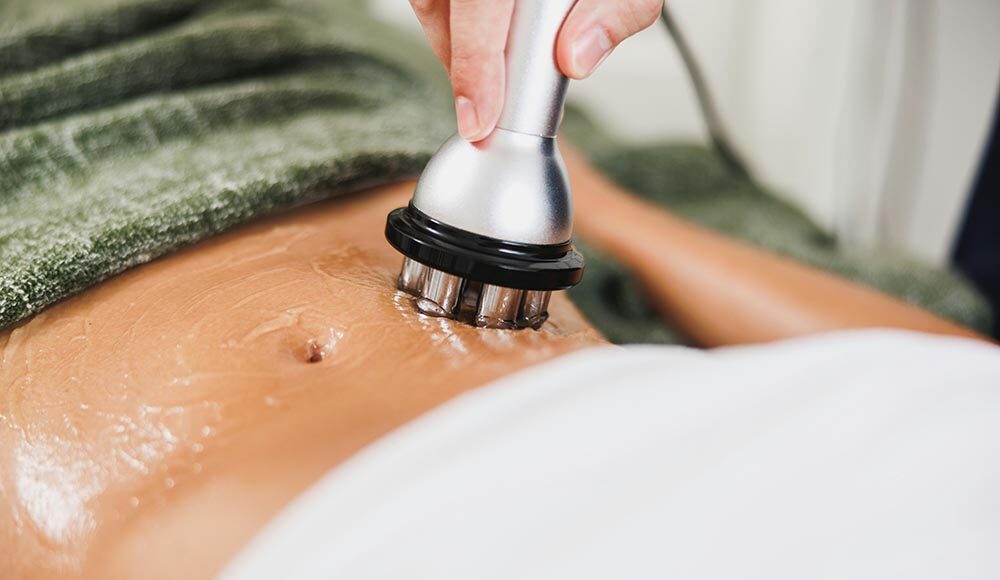
Non-surgical body contouring has experienced rapid growth in recent years, with an increasing number of consumers shifting from traditional liposuction to non-invasive fat reduction options.
Two of the most popular techniques—cryolipolysis and ultrasonic cavitation—have long been compared in the aesthetic medicine sector.
The most common question asked by beauty salon owners, equipment dealers, and entrepreneurs is: which one sells better? This article leverages the latest market data and industry insights to provide an unbiased, comprehensive answer.
What is Cryolipolysis (Fat Freezing)?
Cryolipolysis, commonly known as fat freezing, takes advantage of the fact that adipocytes (fat cells) are more sensitive to low temperatures than surrounding tissues. By applying controlled cooling (approximately 4–10°C), the treatment causes subcutaneous fat cells in the targeted area to crystallize and undergo apoptosis. These cells are then naturally metabolized and excreted by the body over time.
Key characteristics include:
- Non-invasive: No incisions, no anesthesia, and virtually no downtime.
- Efficiency: A single treatment typically takes 30–60 minutes.
- Target Areas: Ideal for stubborn, localized fat deposits in the abdomen, waist (love handles), thighs, and double chin.
What is Ultrasonic Cavitation?
Ultrasonic cavitation uses low-frequency ultrasound waves (usually around 30–40 kHz) to create microscopic bubbles in the subcutaneous fat layer. These bubbles rapidly expand and collapse, creating mechanical stress that destroys fat cell membranes. The released fat contents are then processed and eliminated by the lymphatic system.
Key characteristics include:
- Gentle Treatment: Often combined with other technologies, such as RF radiofrequency for skin tightening and EMS for muscle stimulation, to create a comprehensive body sculpting solution.
- Treatment Course: A typical protocol consists of 6–8 sessions.
- Market Accessibility: Products range from professional desktop units to portable and home-use devices, offering a wide price range and a low barrier to entry.
Key Comparison: Understand the Differences at a Glance
| Comparison Dimensions | Cryolipolysis | Ultrasonic Cavitation |
|---|---|---|
| Core Technology | Controlled low temperature induces adipocyte apoptosis | Low-frequency ultrasound cavitation effect damages fat cell membranes |
| Main Function | Targeted reduction of subcutaneous fat | Fat reduction + skin tightening (when combined with RF) |
| Single Session Duration | 30–60 minutes | 20–40 minutes |
| Recommended Course | Visible results in 1–3 sessions (spaced a month apart) | A cycle of approximately 6–10 sessions |
| Body Sensation / Pain | Initial suction + cooling sensation; generally tolerable | Gentle, virtually painless |
| Professional Equipment Price | High | Moderate |
| Typical Average Order Value | High | Low to Medium (focus on treatment packages and repeat visits) |
| Applicable Scenarios | Medical aesthetic clinics and premium beauty salons | Beauty salons, spas, and home/portable use |
Strategic Takeaway:
- High-end positioning & high average customer value: Choose Cryolipolysis.
- High-volume customer acquisition & retention: Choose Ultrasonic Cavitation.
- Dual-machine combination: Use cryolipolysis as the flagship treatment and cavitation as a customer acquisition tool (if budget allows).
Which One Sells Better? The Business Perspective
There is no absolute answer; the optimal choice depends entirely on your specific business model. Here are three common scenarios:
Scenario A: High-End Clinics & Medical Aesthetic Institutions → Cryolipolysis Wins
- High Average Order Value (AOV): Prices range from 400–800 per session, which is 3–4 times higher than cavitation.
- Rapid Results: Visible outcomes in 1–3 treatments lead to high customer satisfaction and strong word-of-mouth marketing.
- Easy Sell: Backed by FDA-certified equipment, pricing is justified and persuasion costs are low.
- Profitability: Revenue per customer ranges from 400–2,400, with fixed consumable costs per use.
- Drawback: Requires a high initial equipment investment.
Scenario B: Community Stores & High-Volume Beauty Salons → Cavitation Wins
- Low Barrier to Entry: Single transactions cost 100–300, making the decision-making threshold low and driving foot traffic.
- Built-in Retention: The 6–10 session treatment cycle naturally encourages repeat visits and secondary consumption.
- Operational Ease: Equipment is affordable and easy to learn.
- Drawback: Requires longer customer dwell time, high sales volume, and yields lower profit per transaction.
Scenario C: The Hybrid Model (Both Technologies)
- Cryolipolysis serves as the main product line targeting high-end clients, emphasizing “effectiveness and permanence.”
- Cavitation acts as a lead-generation tool and fills package deals to lock in and retain customers.
- Price Tiering: Attract new clients with low-cost cavitation treatments, then upsell premium cryolipolysis packages to create a structured pricing system.
For most small-to-medium salons and startup brands, “better sales” often means higher sales efficiency and a wider customer base. In this dimension, multifunctional cavitation machines (Cavitation + RF + Negative Pressure) hold a distinct advantage. Meanwhile, cryolipolysis maintains its dominance in “high-ticket treatments,” while cavitation gains momentum in “equipment sales and accessibility.”
ROI Calculation: A Rough Estimate
Note: Based on common industry estimates; actual prices vary significantly by region.
| Metric | Cryolipolysis | Ultrasonic Cavitation |
|---|---|---|
| Average Order Value | 400–800 | 100–300 |
| Sessions per Patient | 1–3 | 6–12 |
| Est. Total Revenue per Customer | ~400–2,400 | ~600–3,600 |
| Est. Revenue per Hour | ~400–1,300 | ~150–900 |
| Equipment Investment | Higher | Lower |
The Bottom Line: Cryolipolysis is more profitable per customer and per unit of time. Cavitation is easier to launch and excels at customer retention. Choose cryolipolysis to maximize AOV; choose cavitation to maximize foot traffic.
Decision Checklist for Business Operators
Before investing, ask yourself these four questions:
- Customer Profile: Are your clients willing to pay 800upfrontforrapidresults,ordotheypreferpaying150 over ten gradual sessions?
- Store Positioning: Are you targeting high-end customized treatments (cryolipolysis) or high-volume accessibility (cavitation)?
- Startup Budget: Can you afford a premium machine immediately, or should you start with a low-cost model and upgrade later?
- Customer Structure: Do you have an existing base of medical aesthetic patients to support high AOVs, or are you in the stage of attracting entirely new customers (where cavitation is safer)?
There are no treatments that are “absolutely easier to sell”—only treatments that are “more suitable for your business model.” Once you answer these questions, the right choice will become clear.
Frequently Asked Questions (FAQ)
Q: Which is more painful, cryolipolysis or ultrasonic cavitation?
A: During the initial stage of cryolipolysis, patients feel suction and a cold sensation, which most find tolerable. Ultrasonic cavitation provides a much milder sensation and is virtually painless. Both are non-invasive with almost no downtime.
Q: Which treatment works faster?
A: Cryolipolysis initiates fat cell death in a single session, with visible results appearing over several weeks as the body metabolizes the cells. Ultrasonic cavitation requires a full course of treatments (typically 6–8 sessions) to achieve visible circumference reduction.
Q: Are home fat-dissolving devices worth buying?
A: Home and portable cavitation + RF devices are currently the fastest-growing segment due to their affordability and convenience. However, their energy output is lower than professional machines, making them best suited for daily maintenance and body size management rather than dramatic fat reduction.
Conclusion
- High-end clinics with affluent clients: Cryolipolysis is the preferred choice.
- Beauty salons, SPAs, and distributors targeting high volume: Multifunctional ultrasonic machines are easier to sell and offer faster returns.
- The Smart Strategy: Cryolipolysis leads in high-ticket treatments, while cavitation accelerates equipment sales and accessibility. Savvy business owners often combine both—using cavitation to drive traffic and premium fat reduction programs to increase average order value, ultimately forming a complete and profitable body contouring menu.
Ready to upgrade your salon’s body contouring offerings? Explore the full range of professional, high-performance cryolipolysis and cavitation equipment at Mychway. Contact us today to find the perfect solution for your business model!