

Tobi’s House
There are some fashion shows you produce, and there are some fashion shows that become part of you.
I LOVE JEWISH GIRLS was the latter.
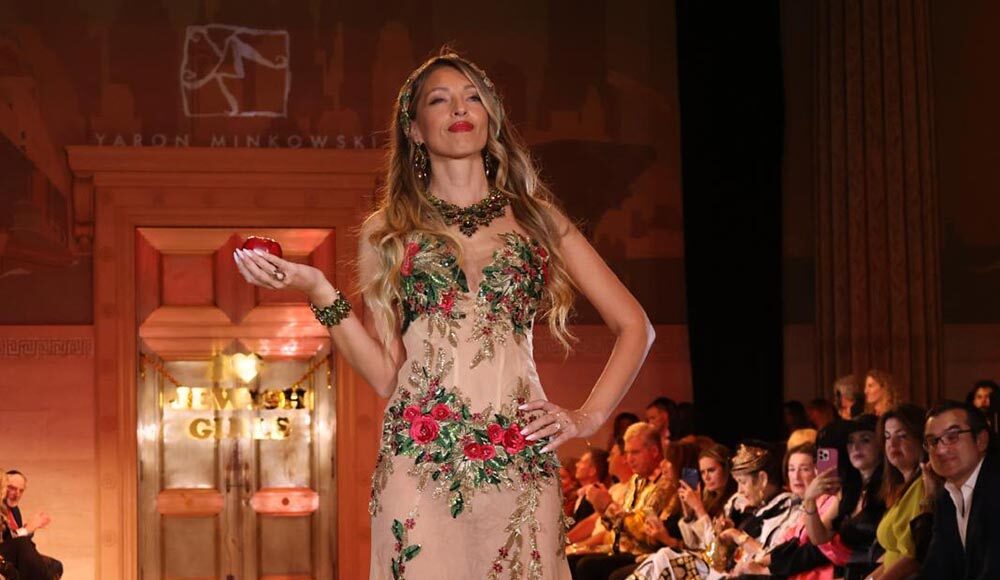
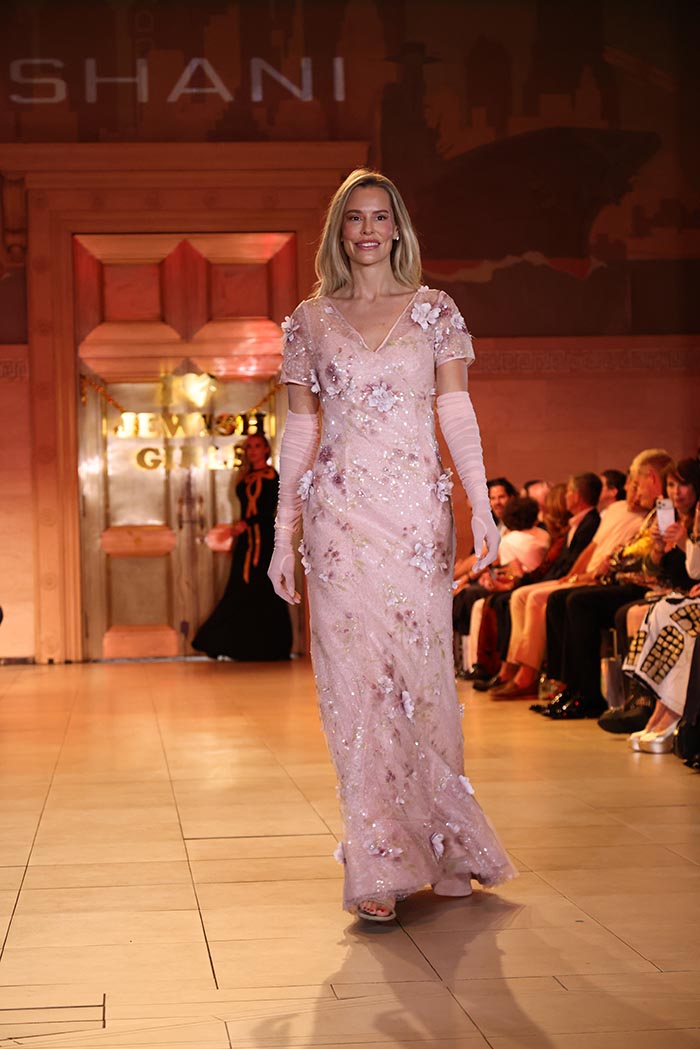
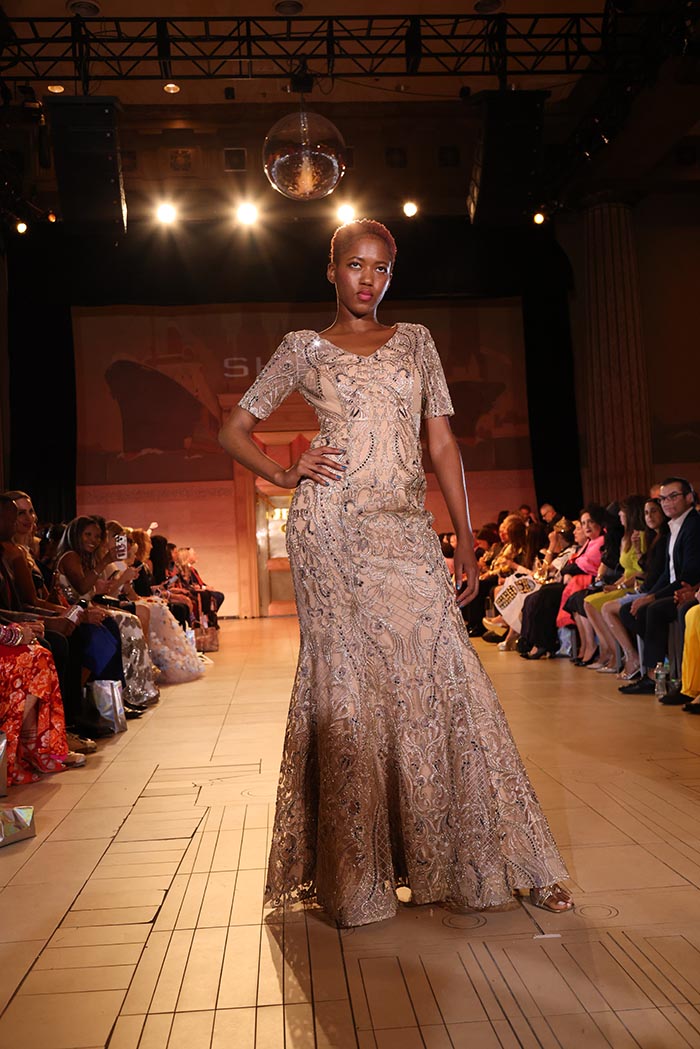
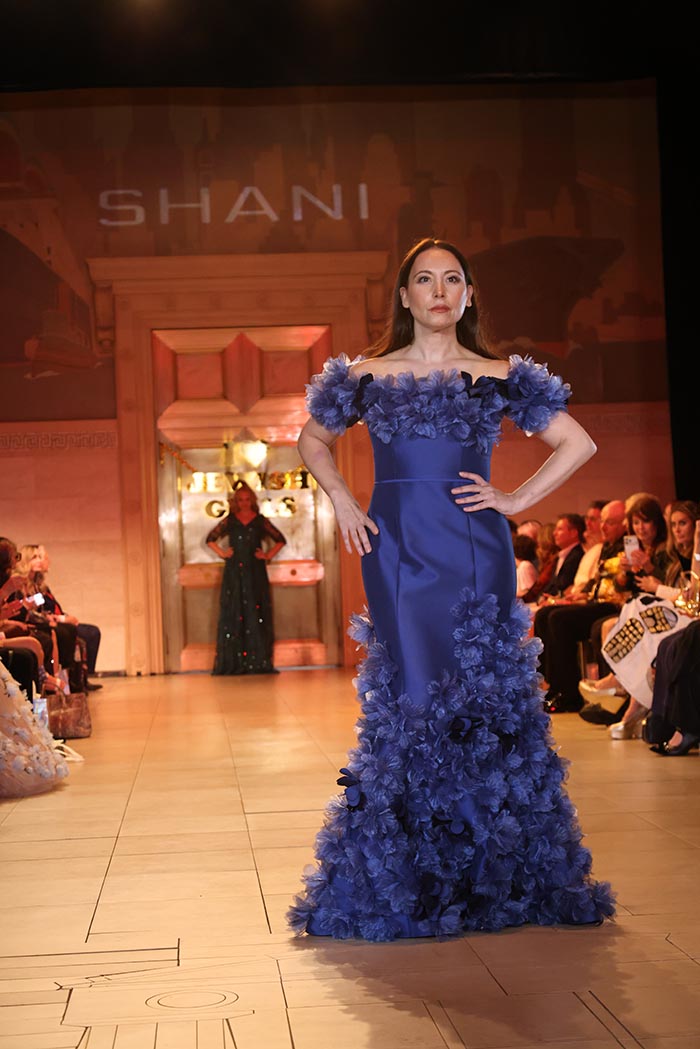
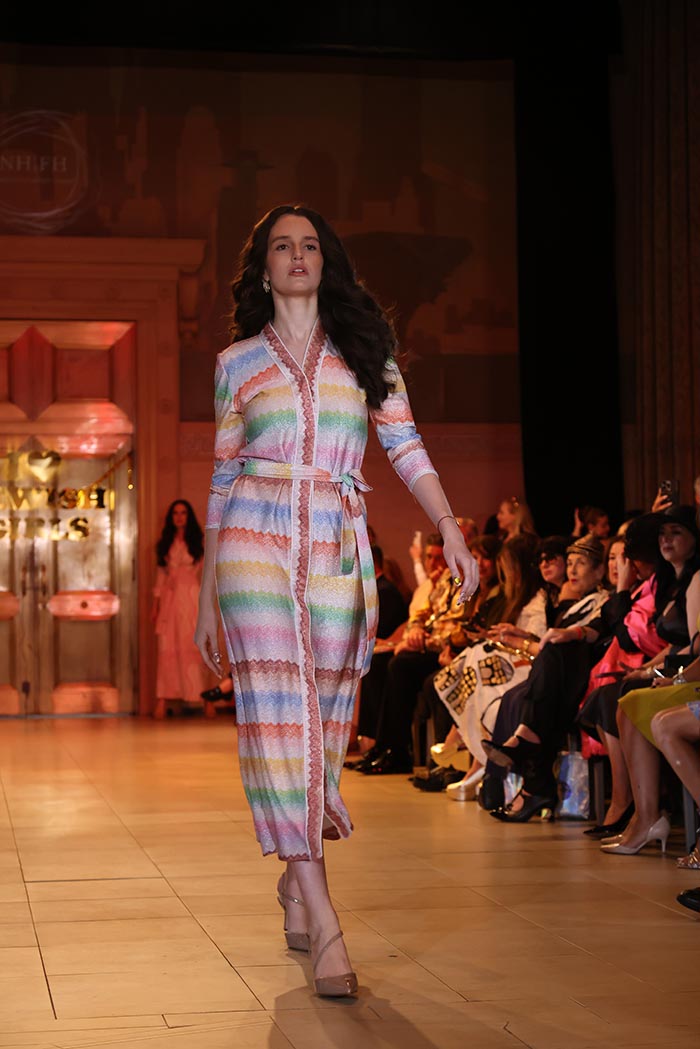
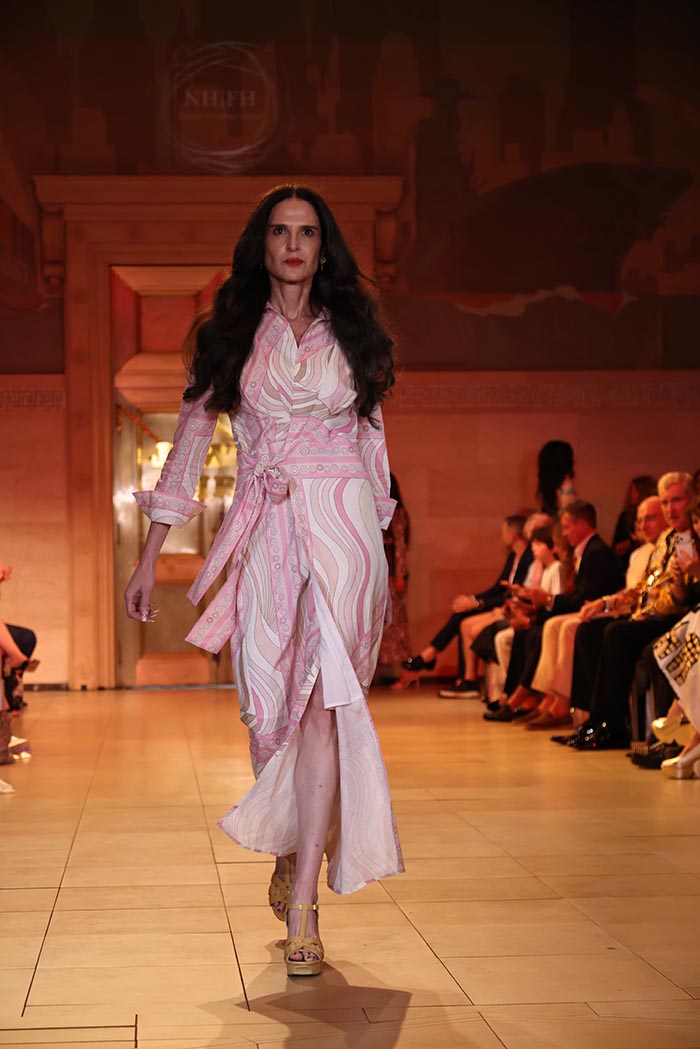
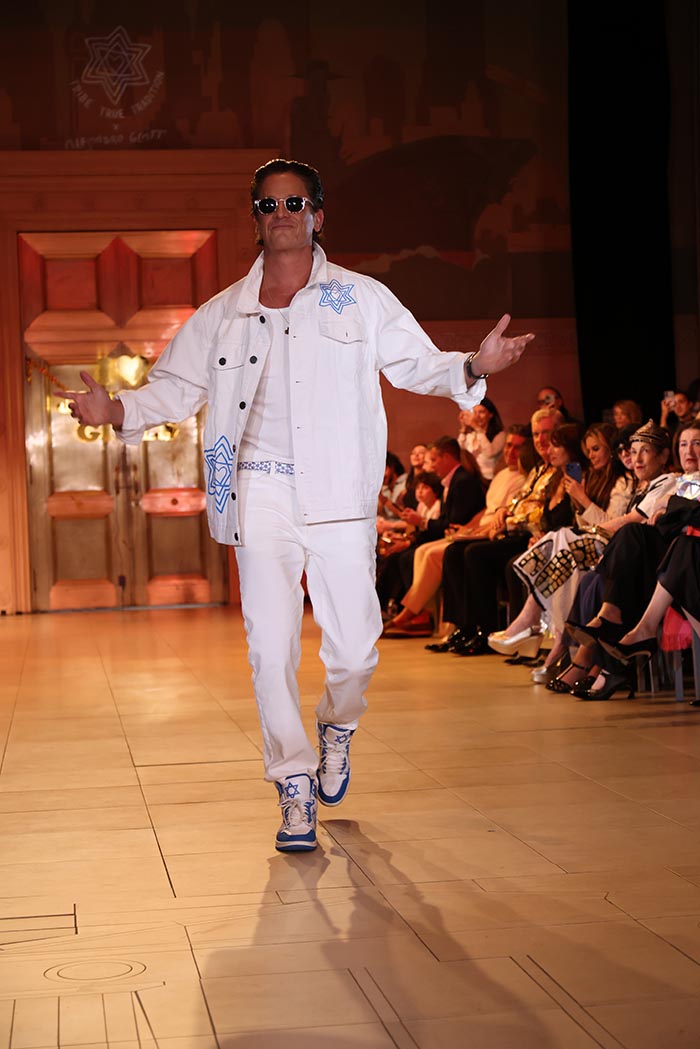
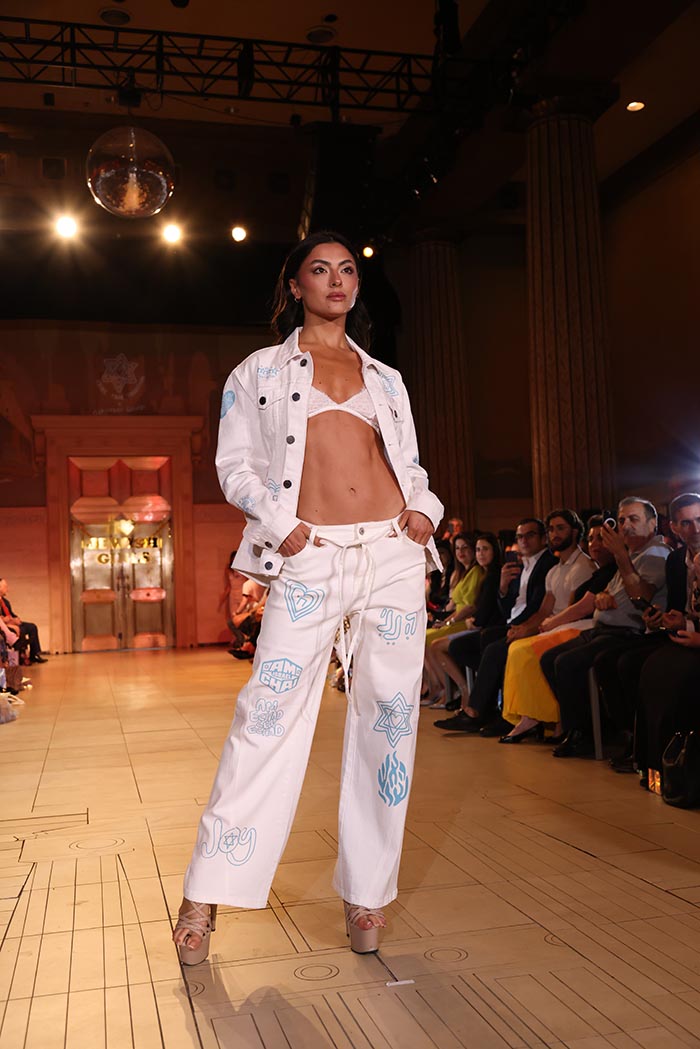
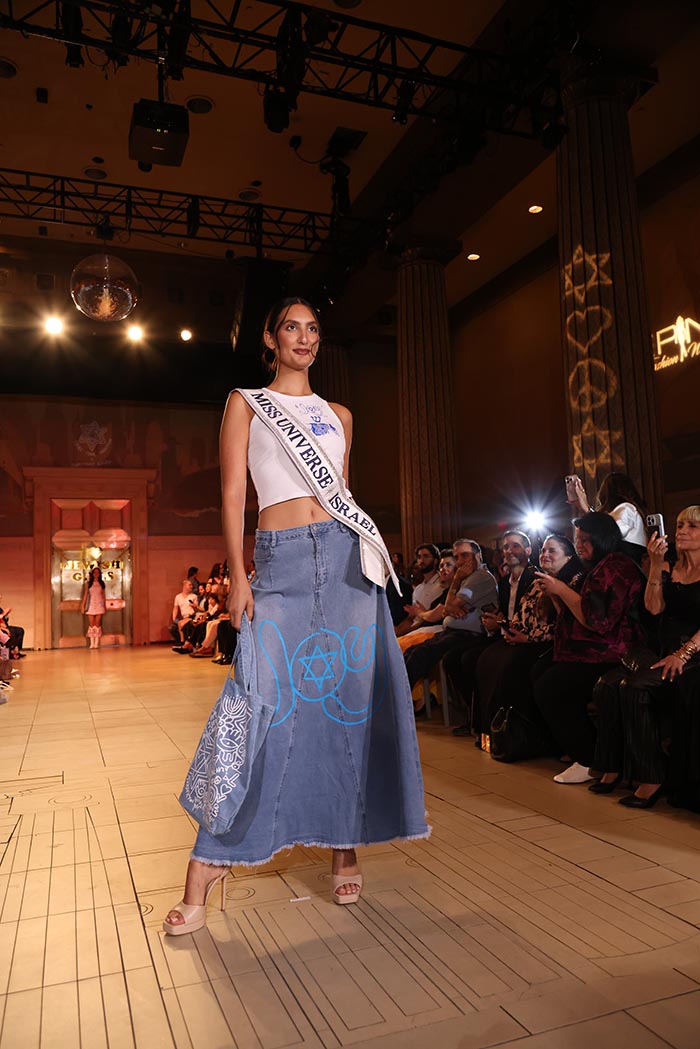
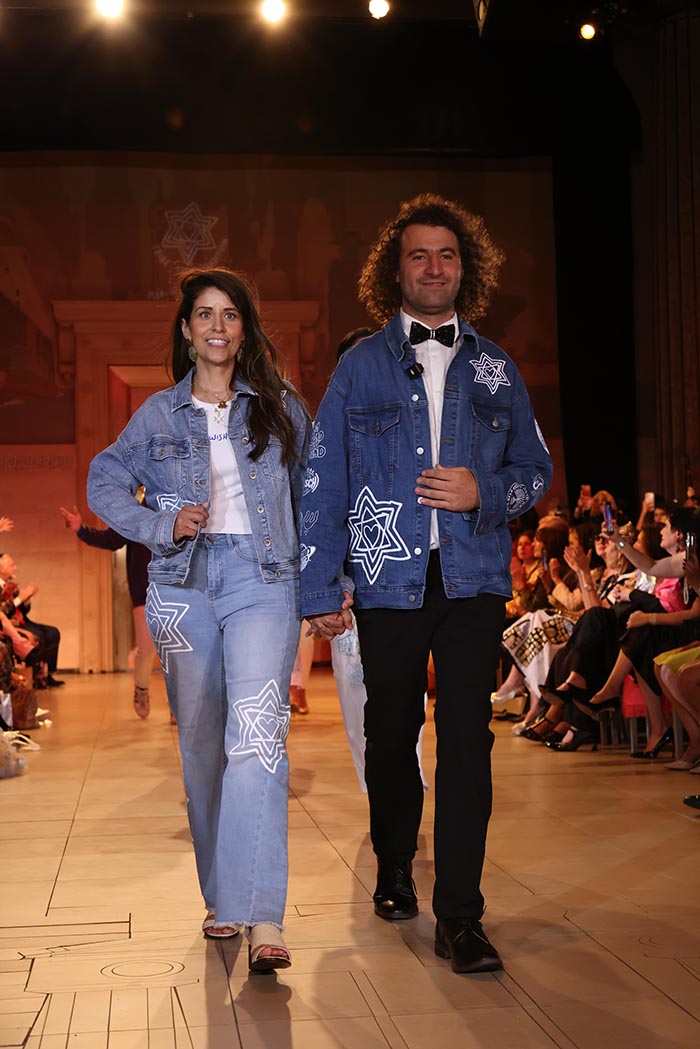
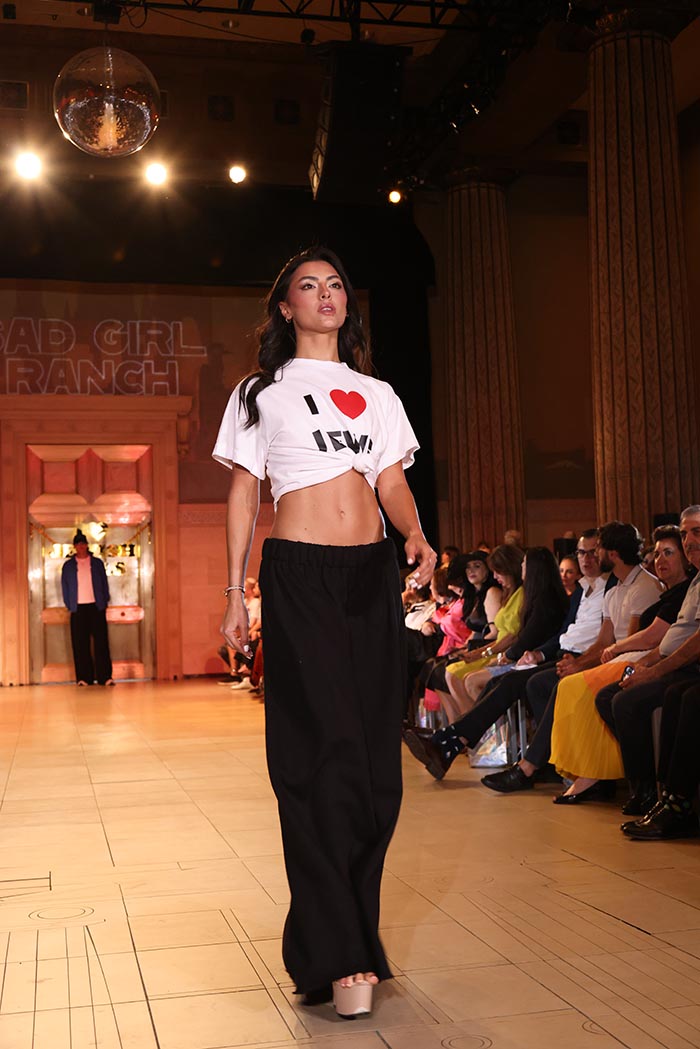
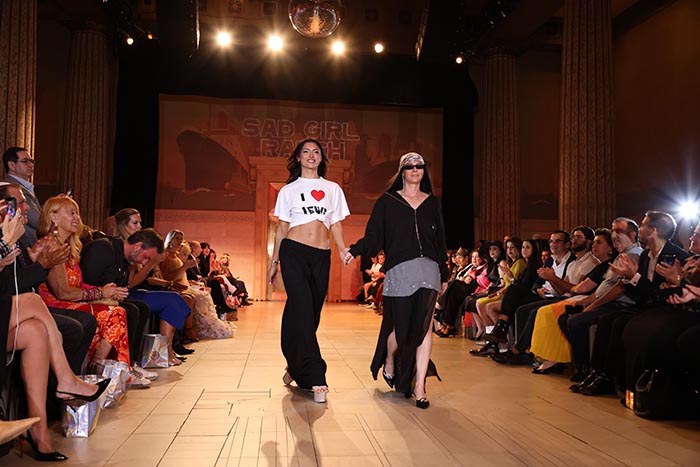
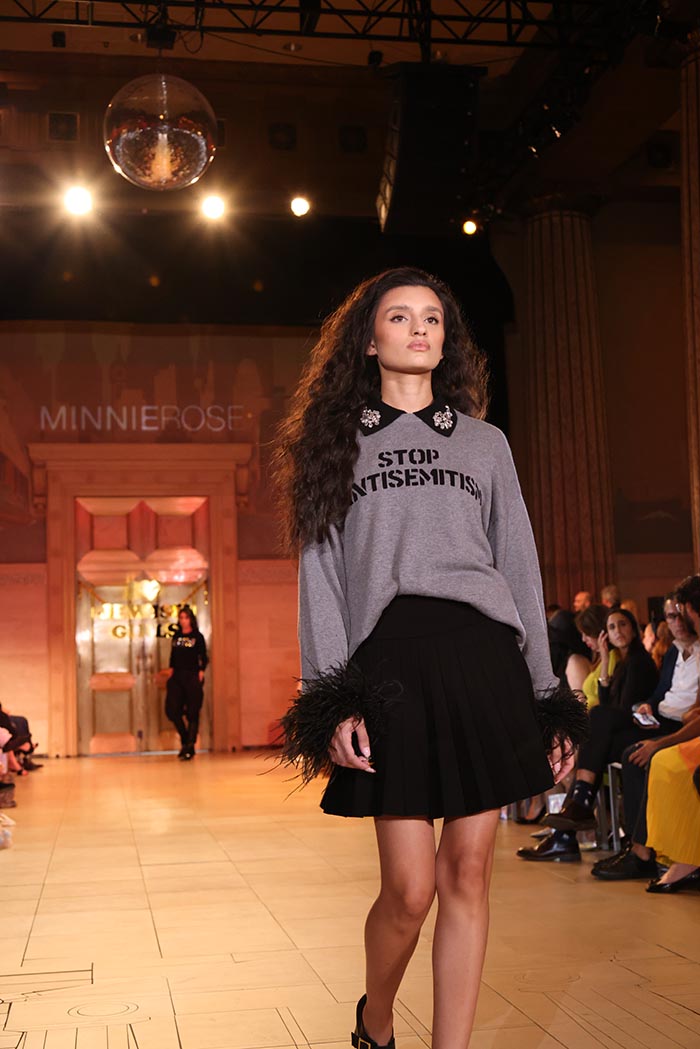
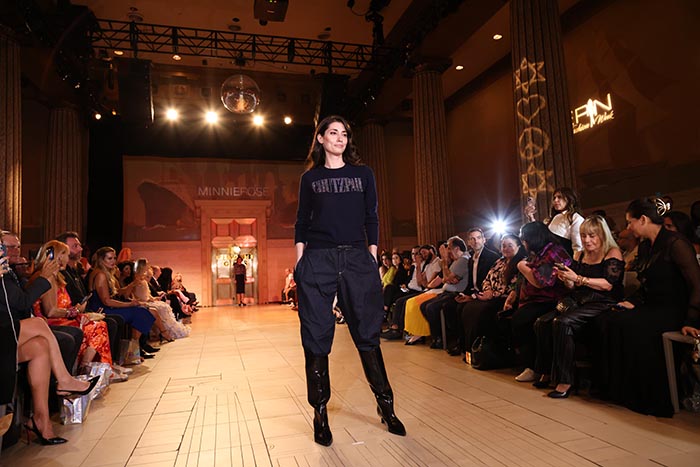
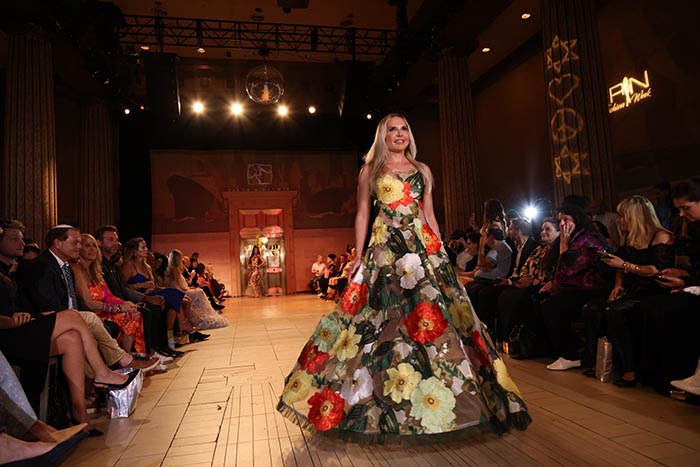
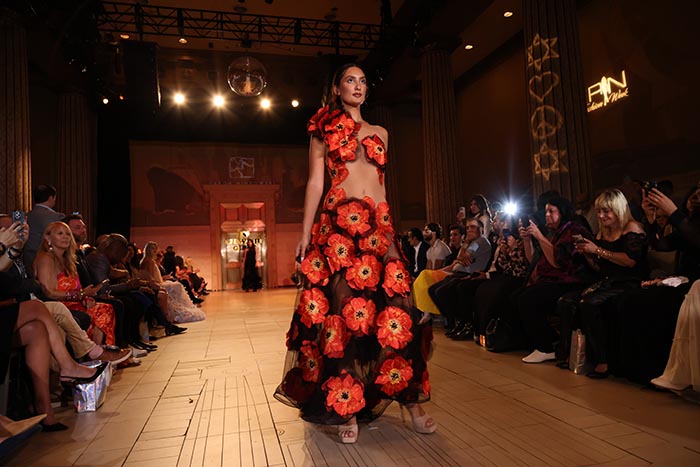
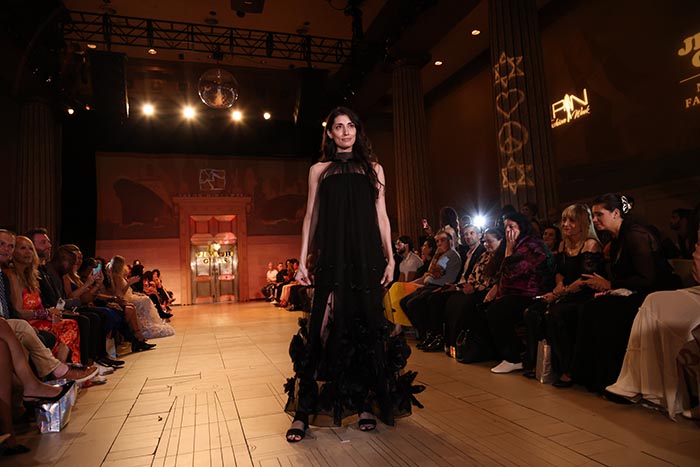
Held at Léman Ballroom in Lower Manhattan during New York Fashion Week, the show brought together 18 Jewish and Israeli designers and brands from Israel, Brazil, Mexico and across the United States. Nearly 500 guests filled the room—fashion industry leaders, diplomats, journalists, artists, activists and members of the Jewish community. The cast of models was predominantly Jewish.
But for me, this was never simply another runway.
As one of the co-organizers, it was difficult to separate the personal from the professional. In fact, I don’t think I wanted to.
Tobi’s House
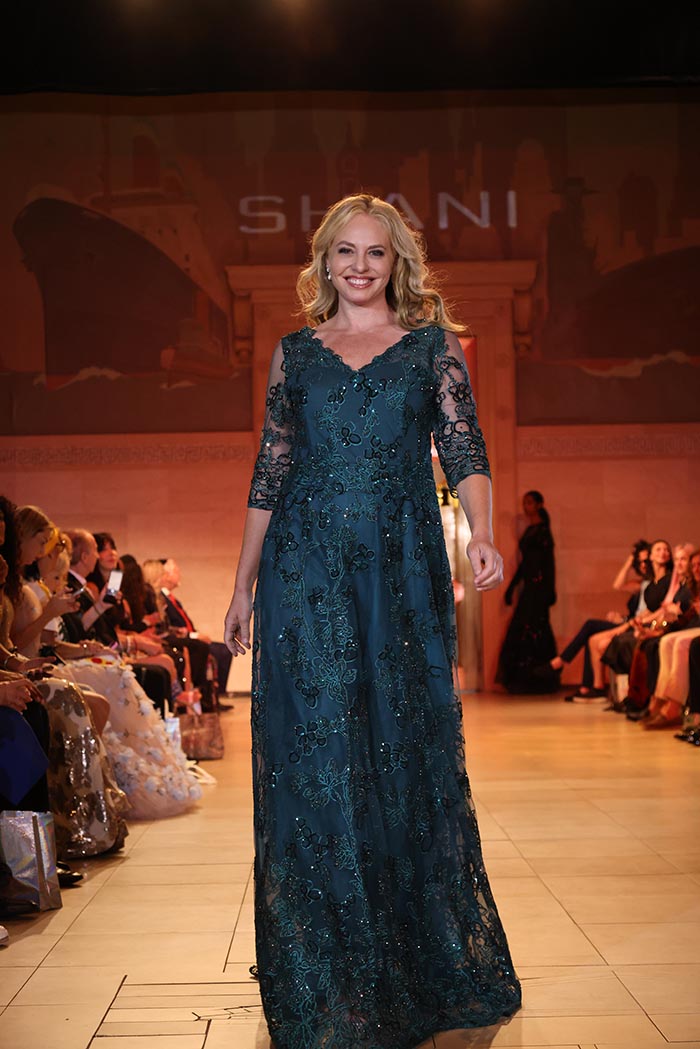
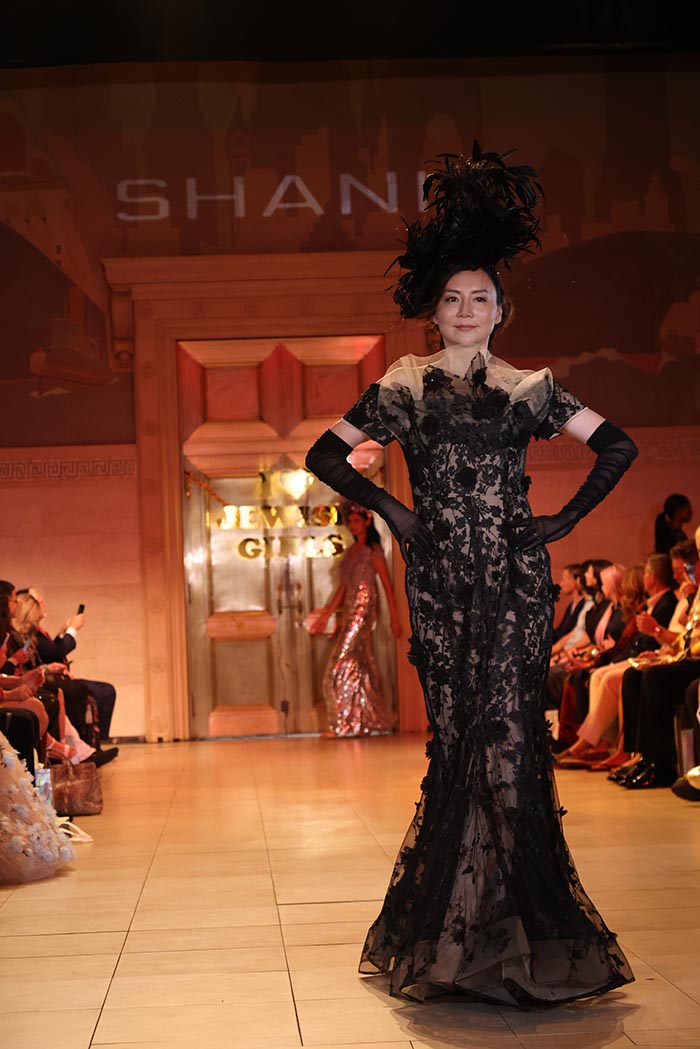
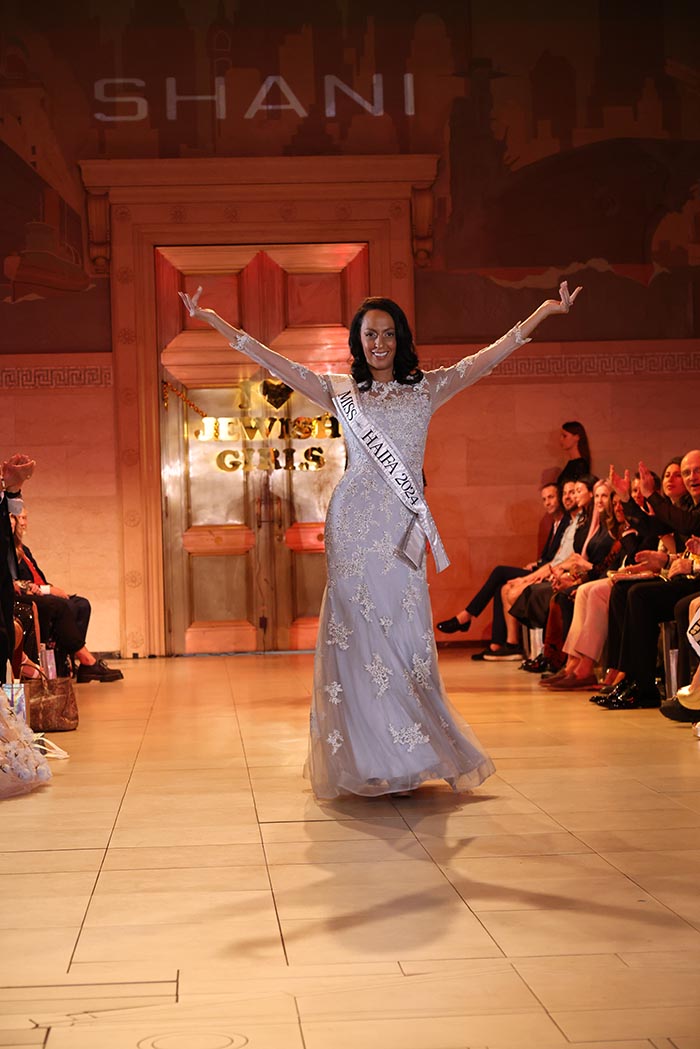
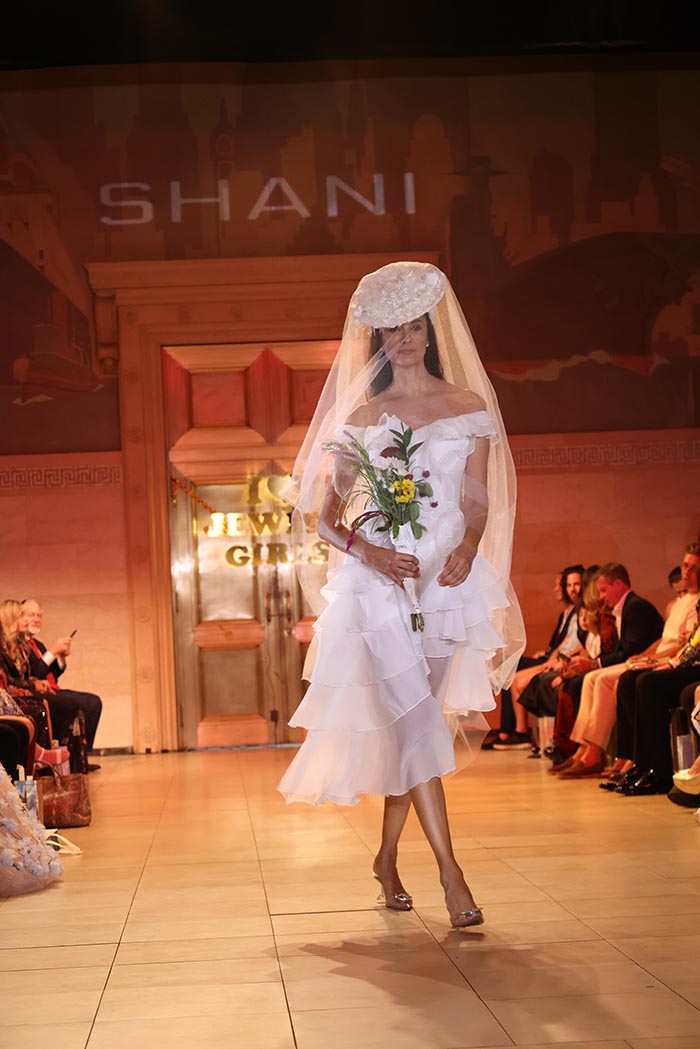
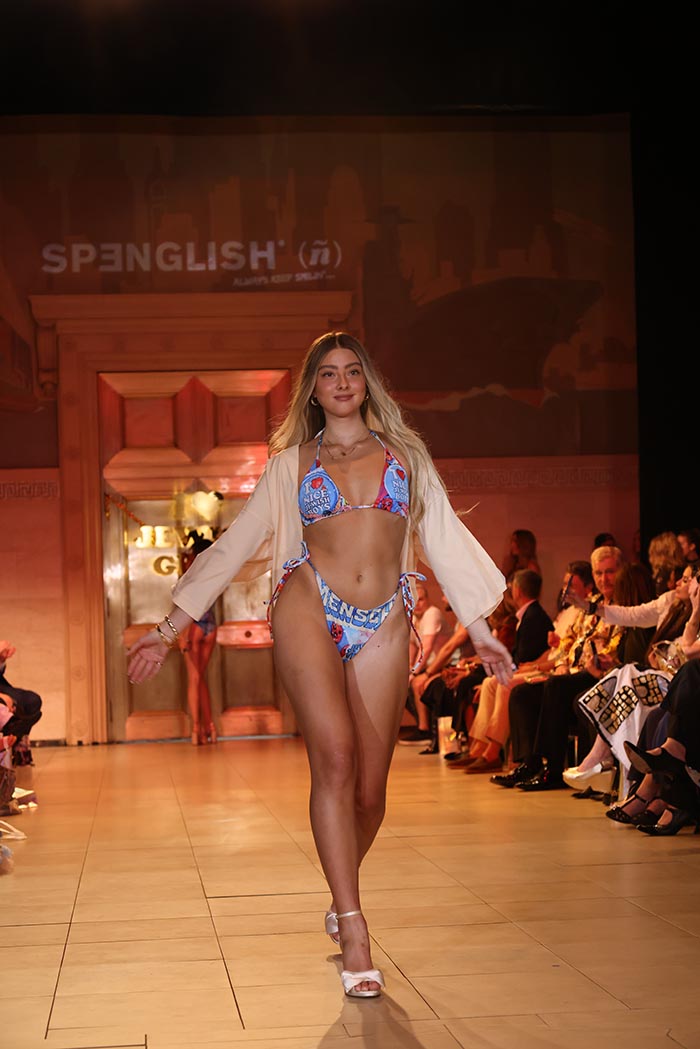
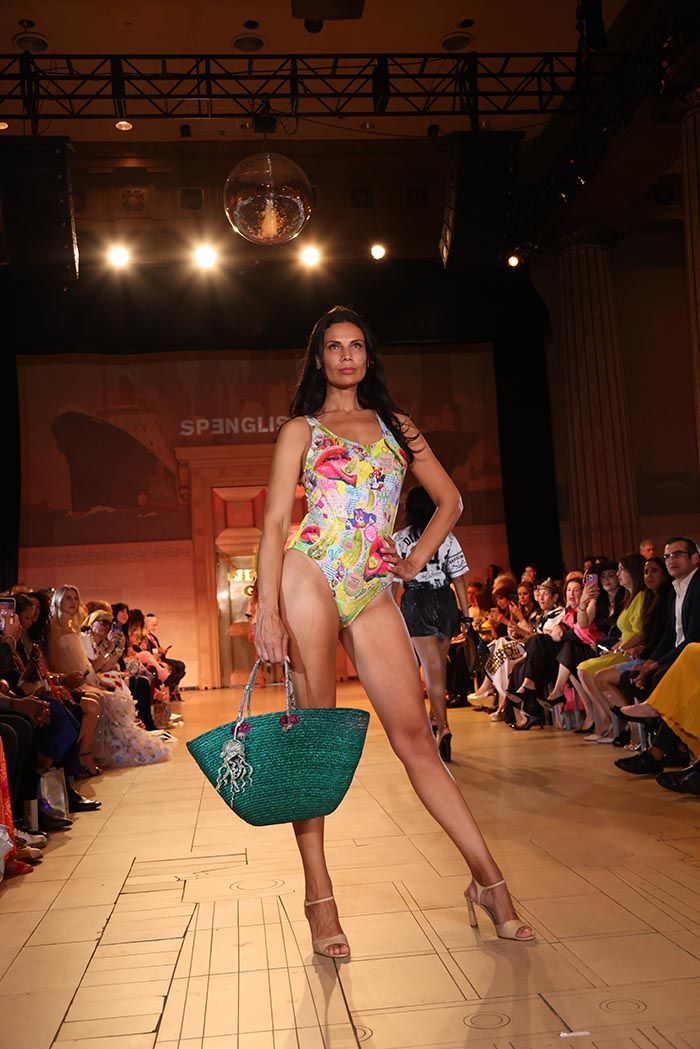
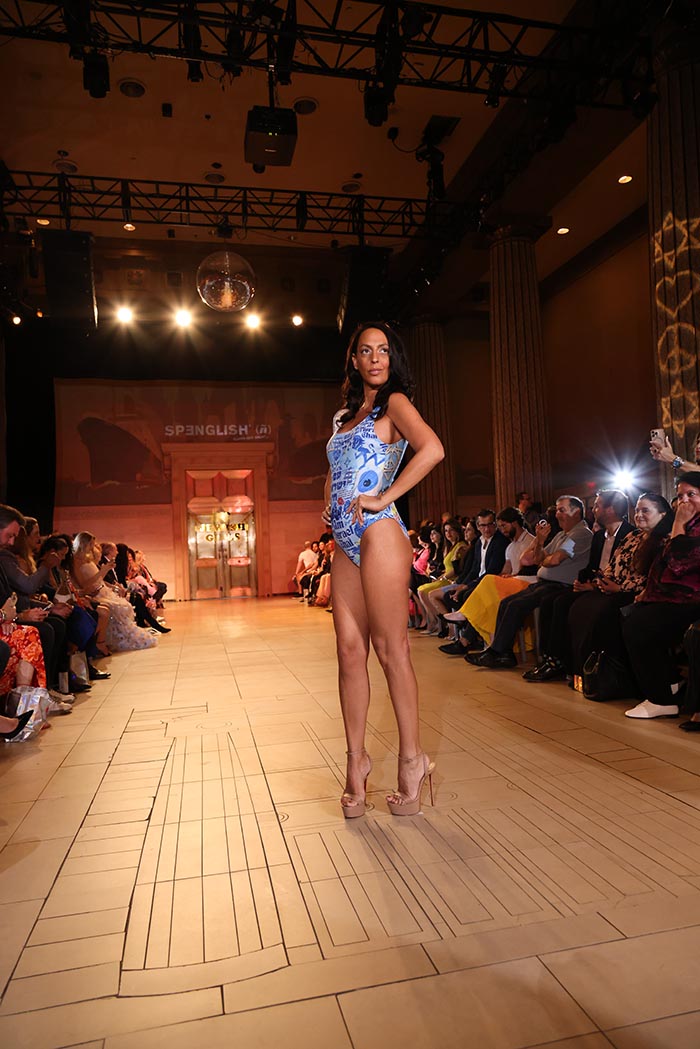
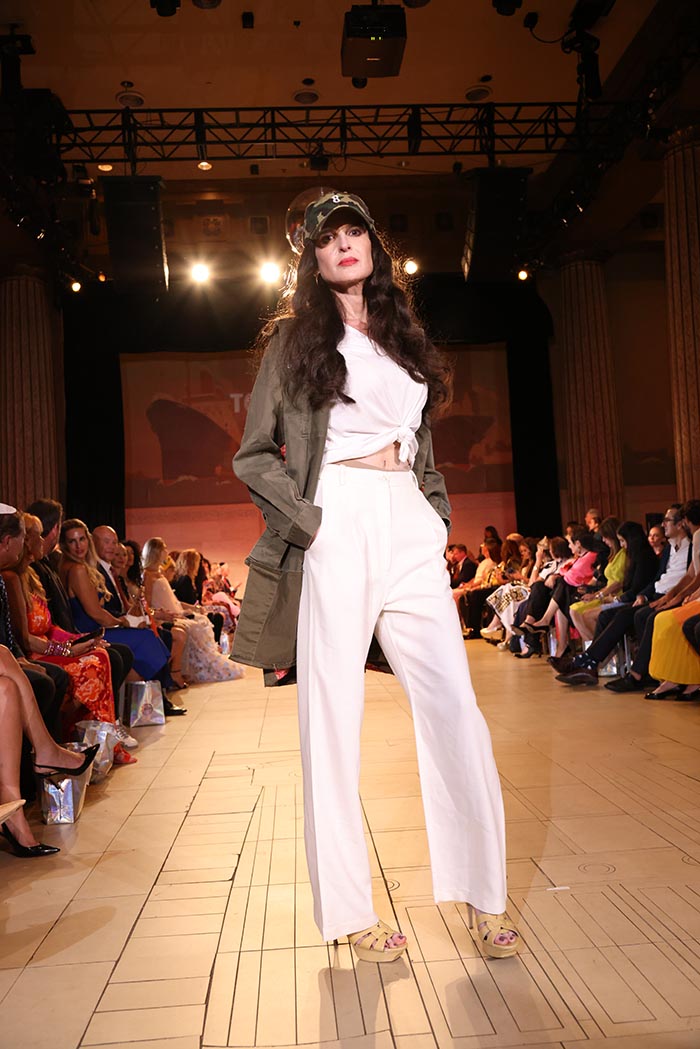
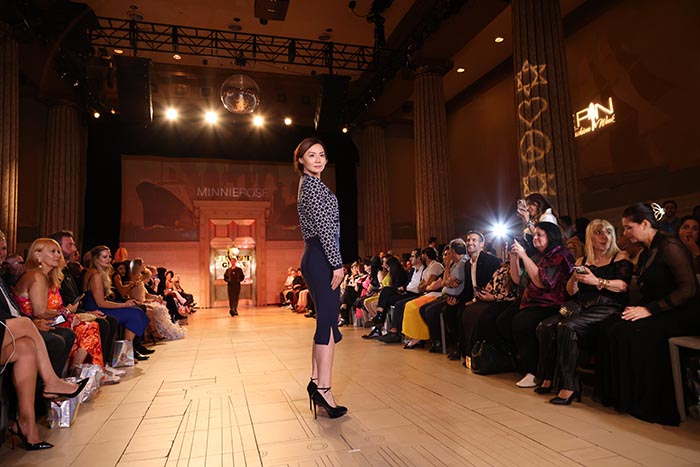
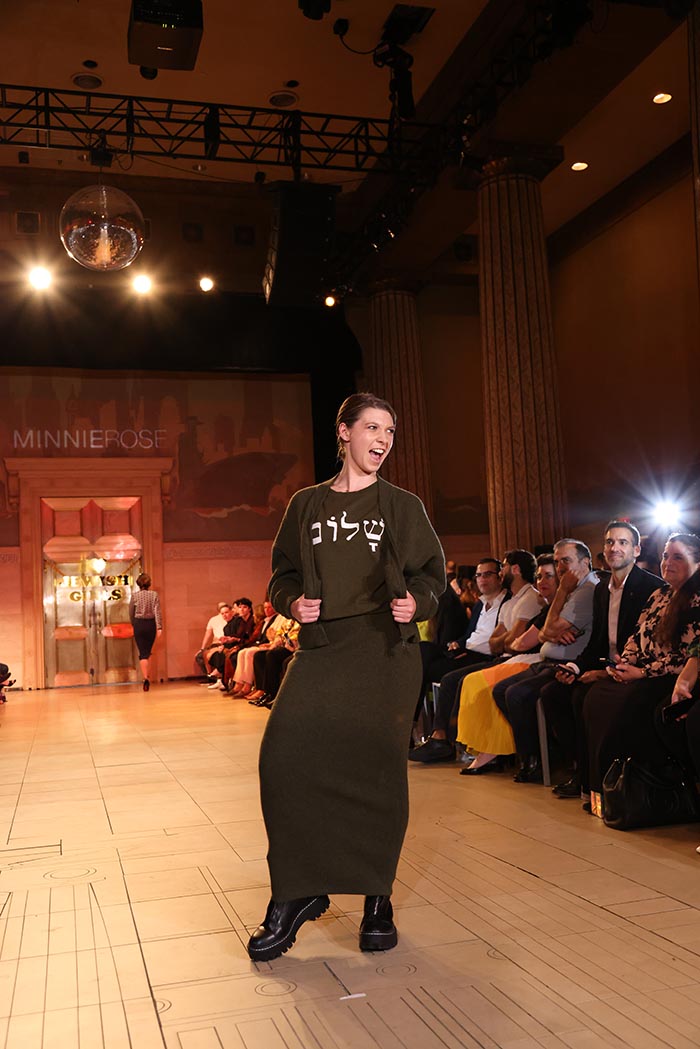
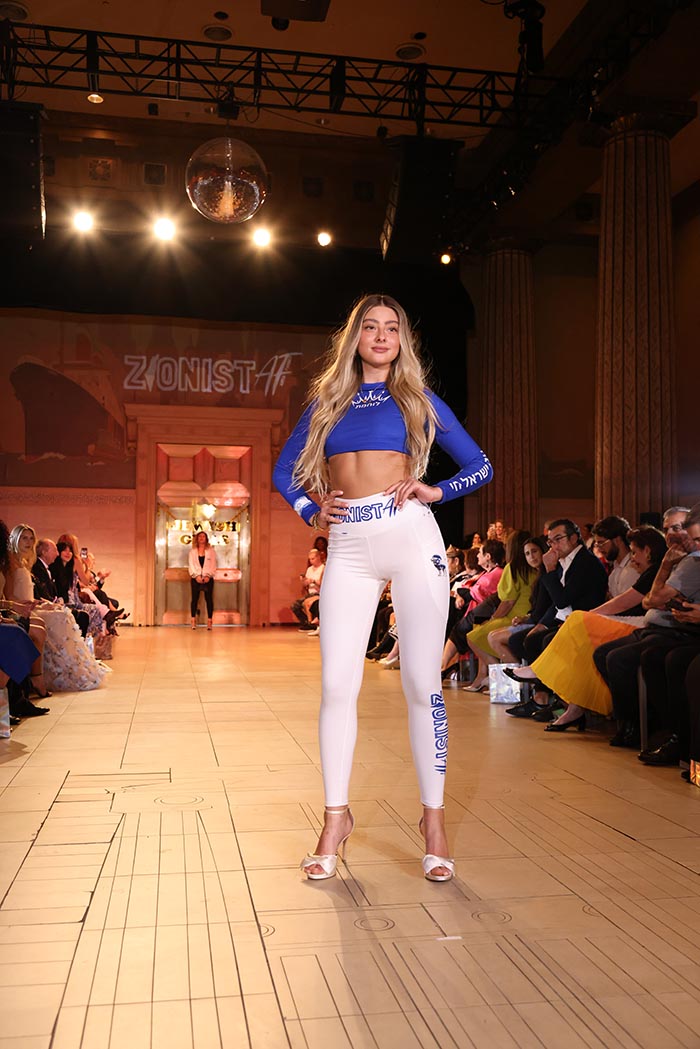
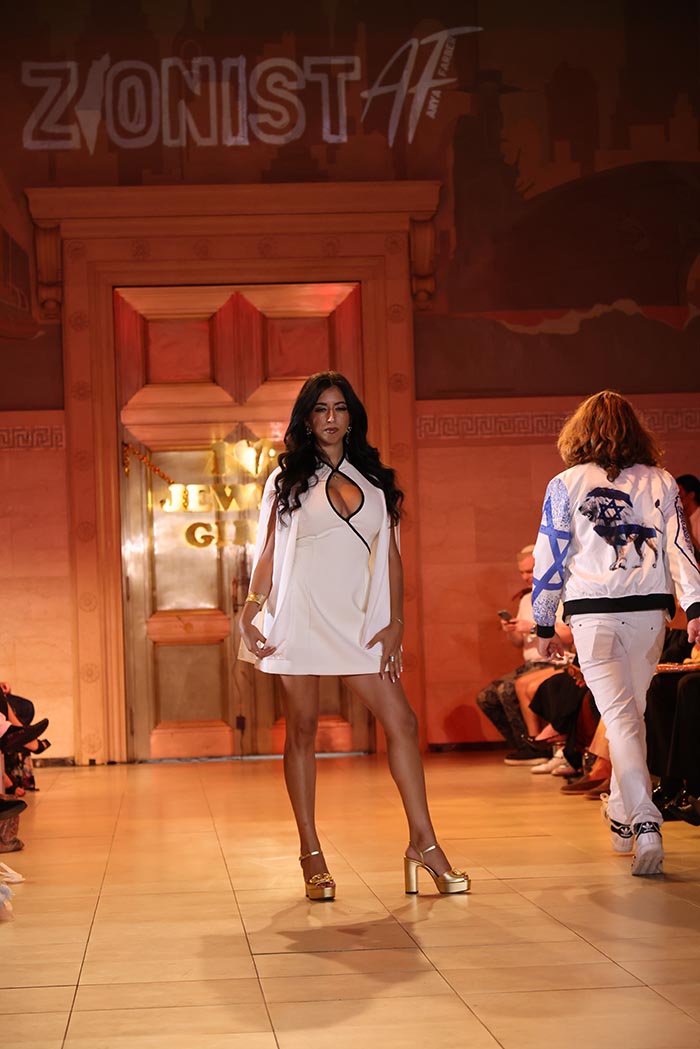
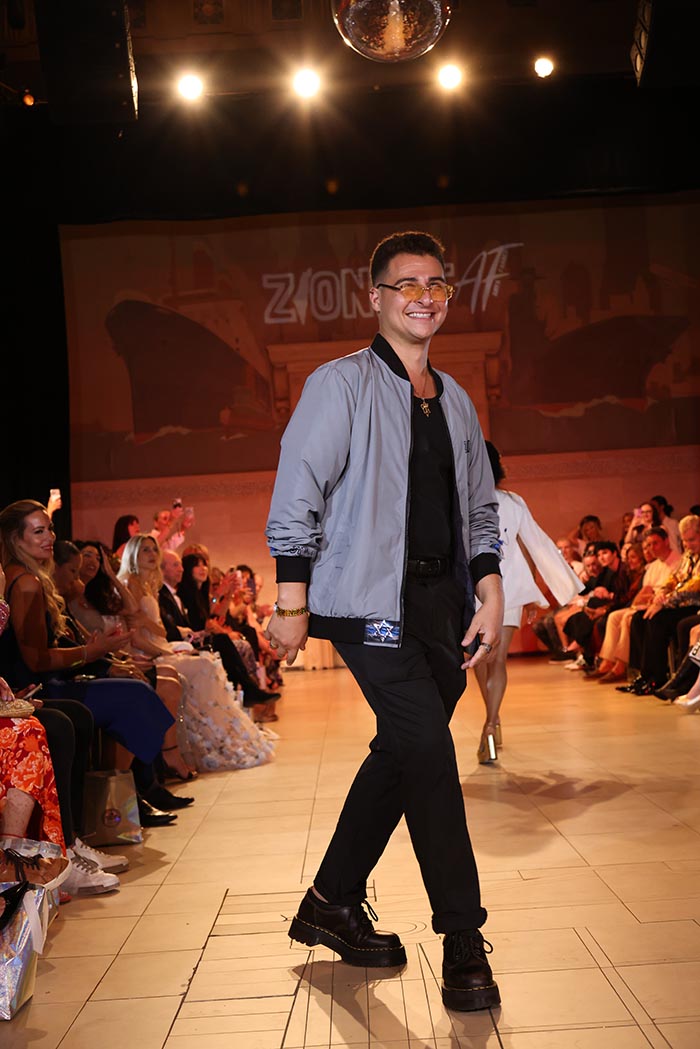
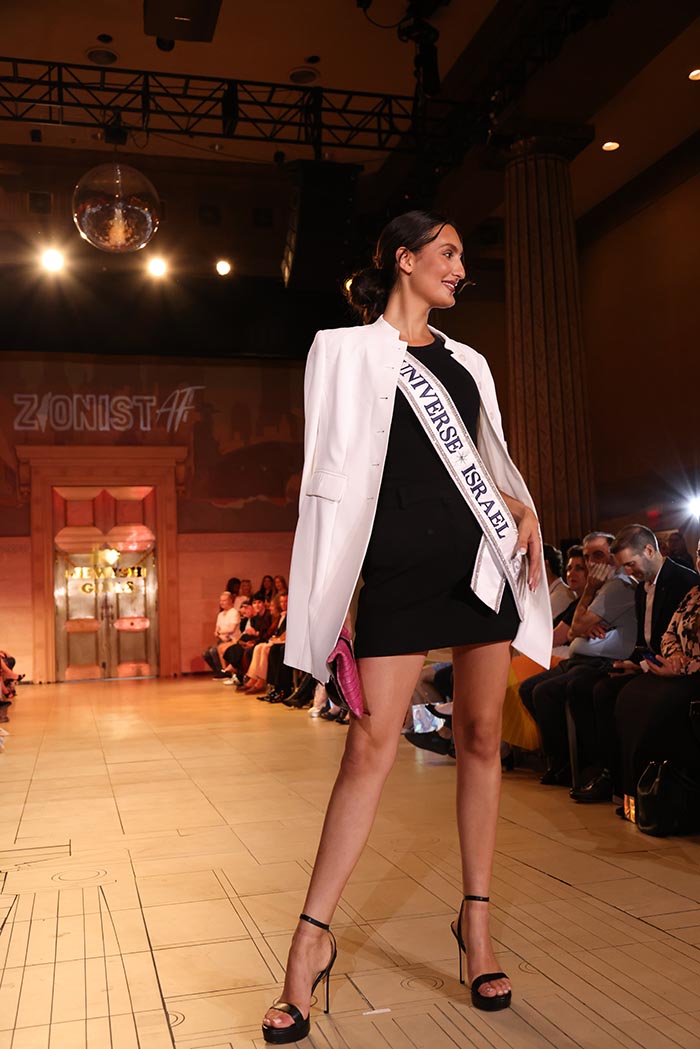
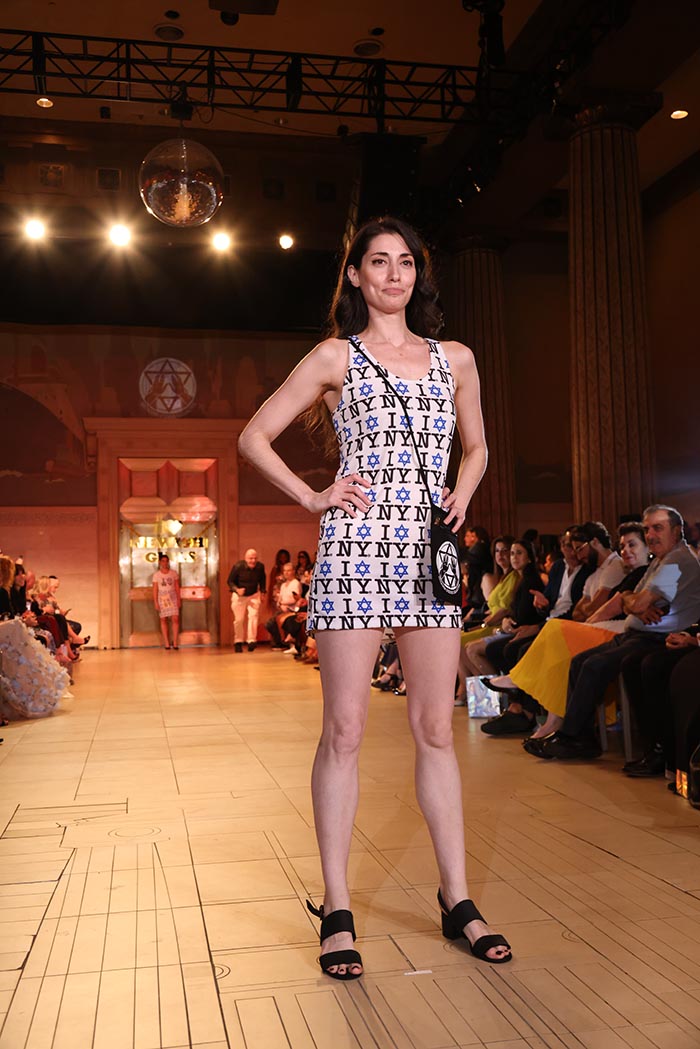
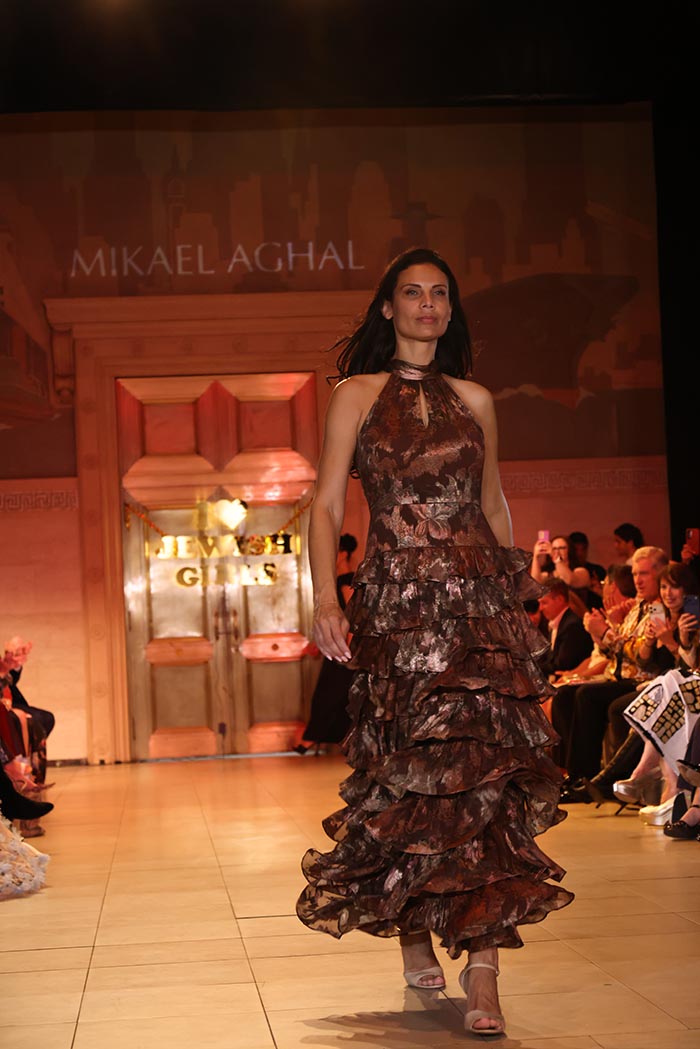
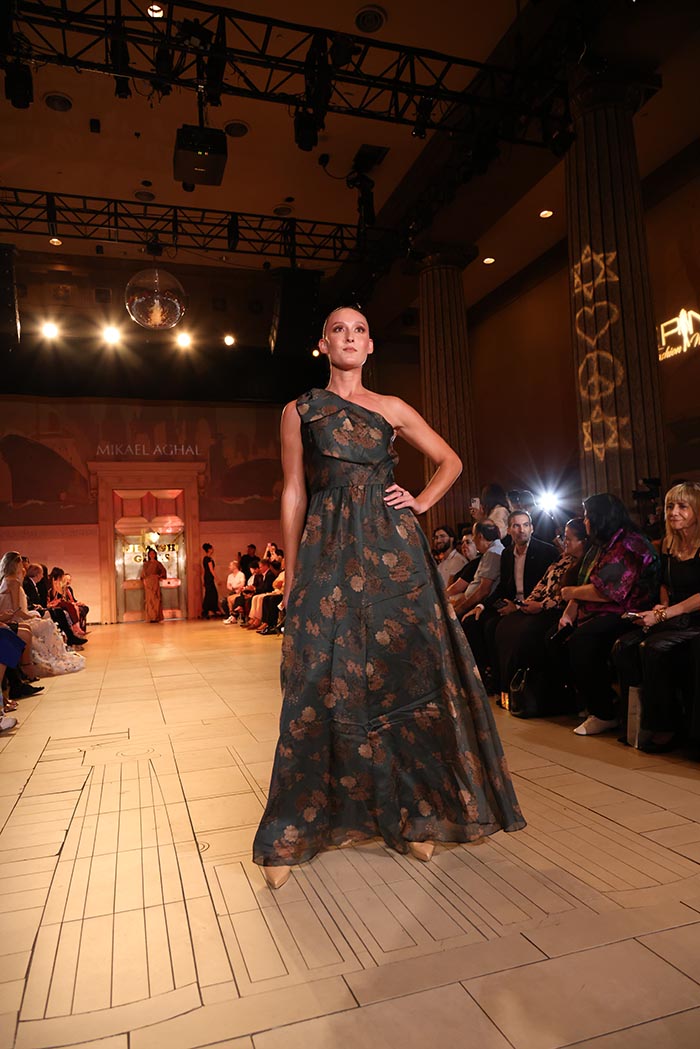
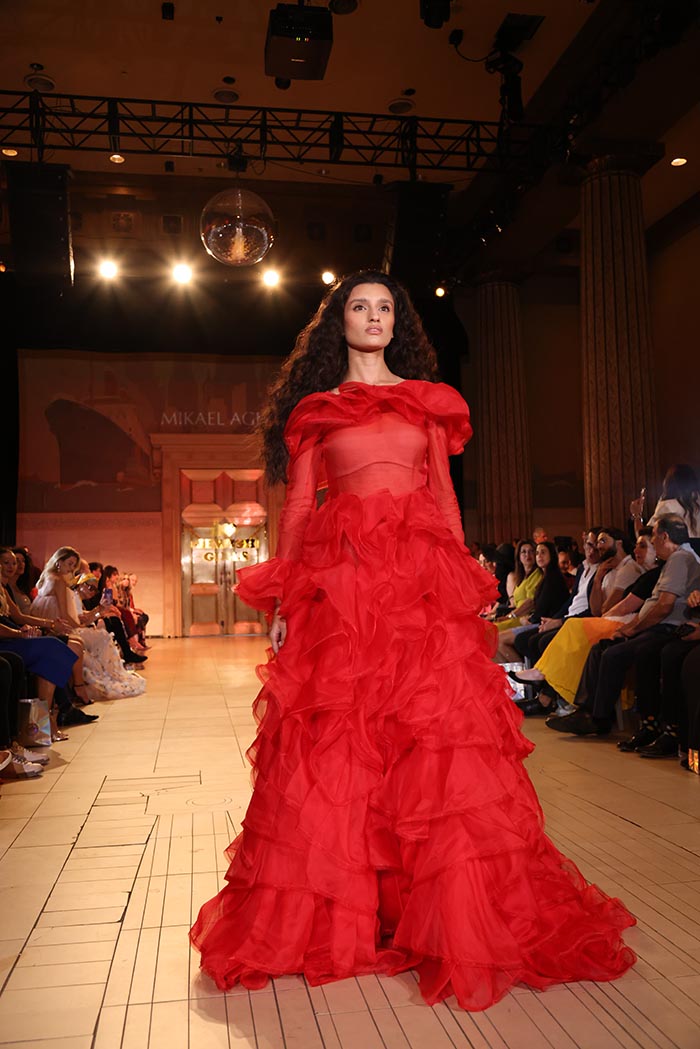
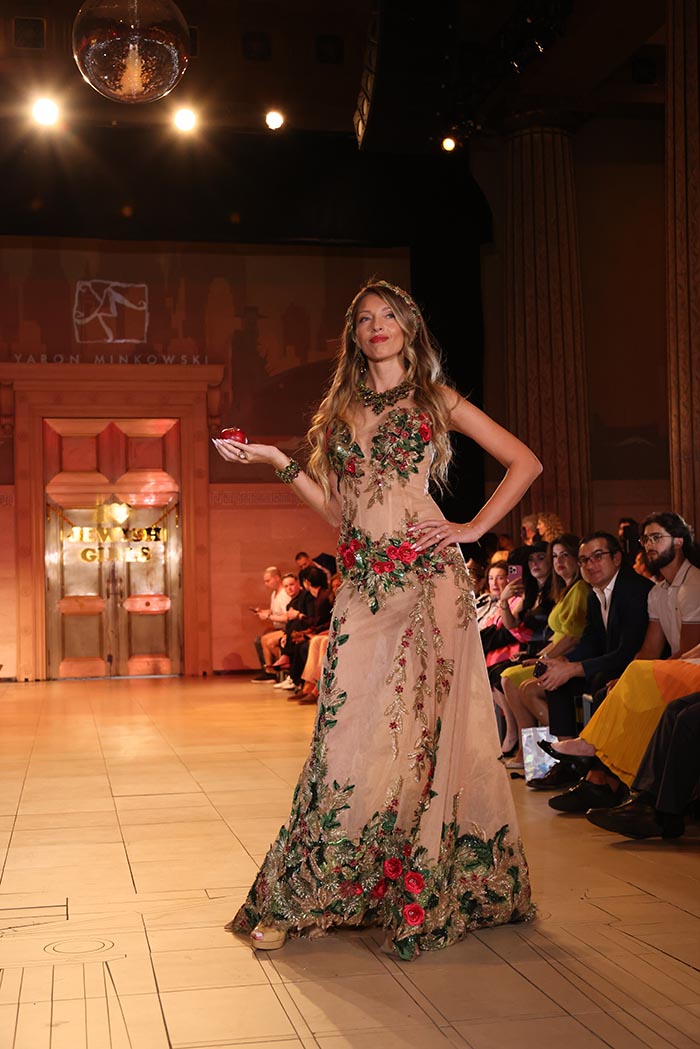
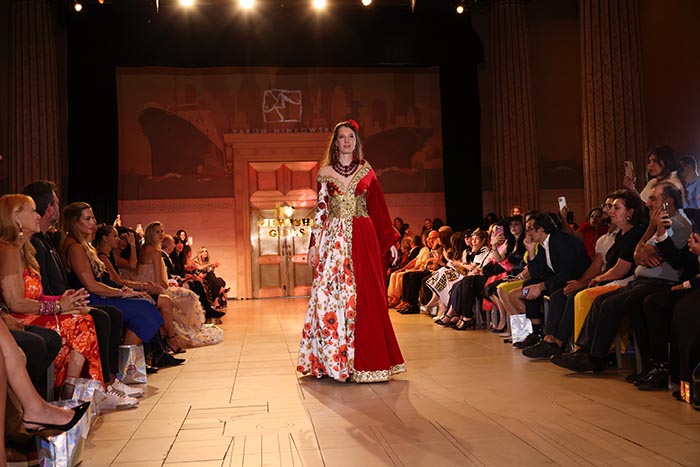
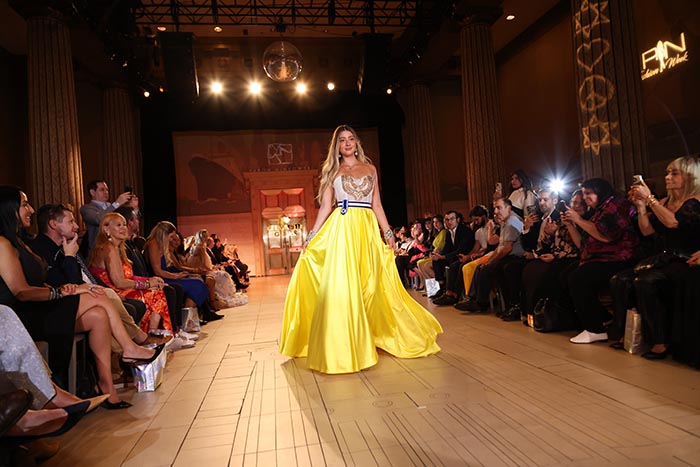
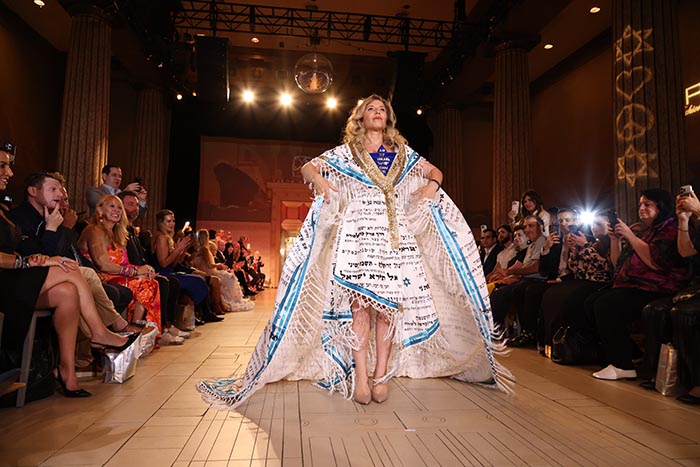
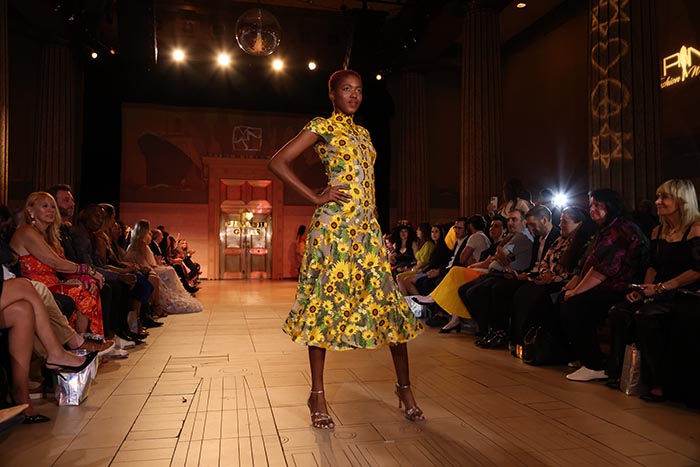
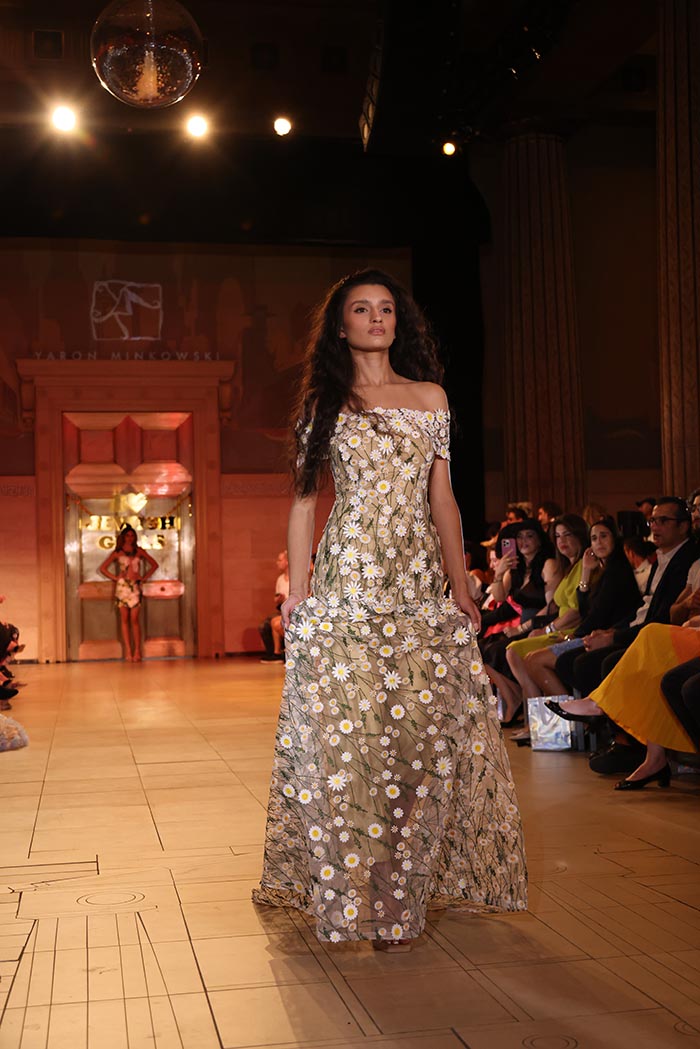
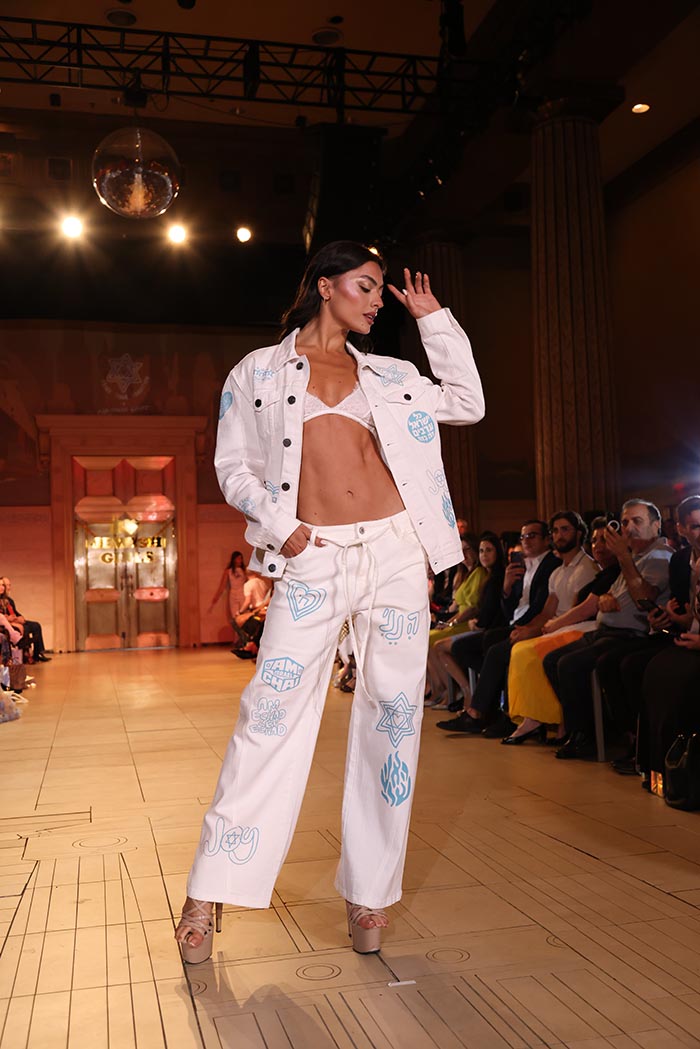
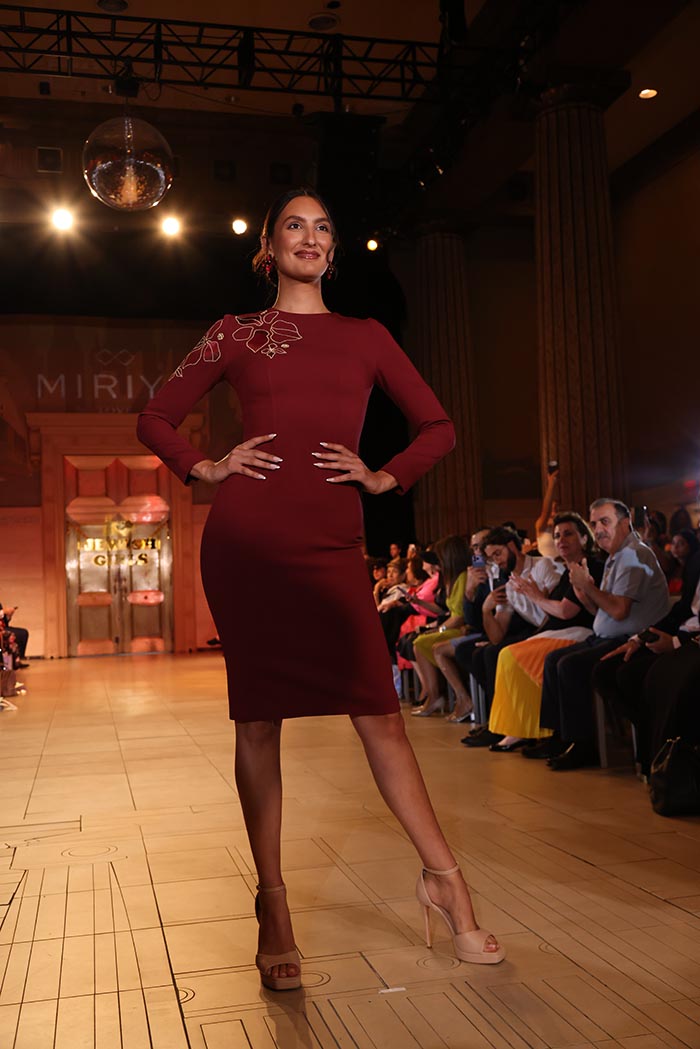
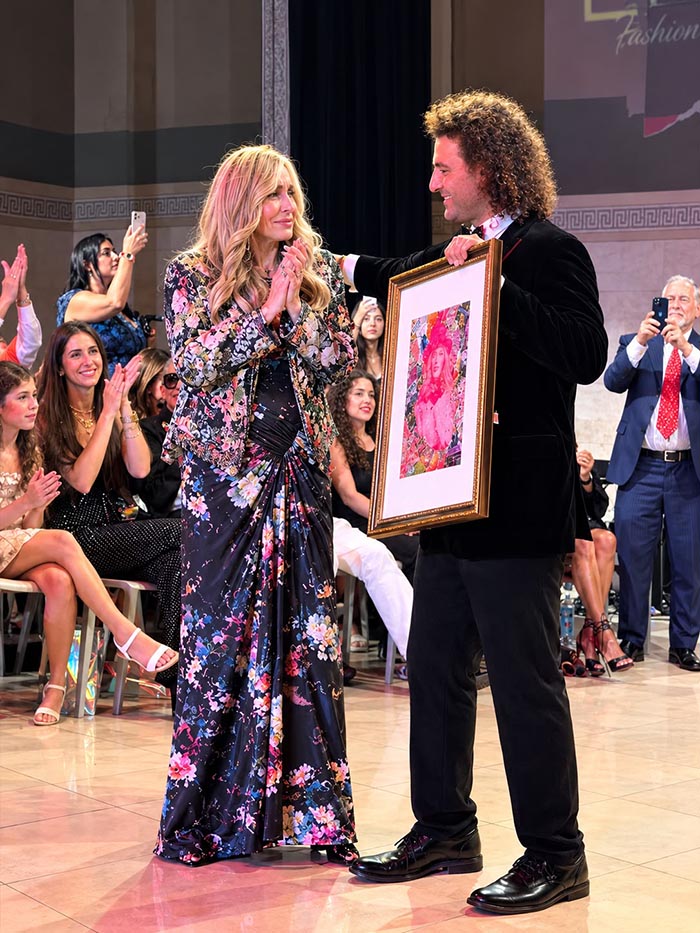
Photos: Scott Goldberg
The concept was born out of rejection.
Two weeks before Miami Swim Week, artist Alejandro Glatt was told that his work was “too political,” and his participation was cancelled. Alejandro responded not by retreating, but by producing his own show in Miami—and then bringing the idea to New York.
Together, we turned that rejection into a runway.
Our answer was fashion. Creativity. Jewish pride.
It was standing in a room and saying, simply: We are here.
At New York Fashion Week, Jewish identity, Israeli design and Jewish pride took center stage.
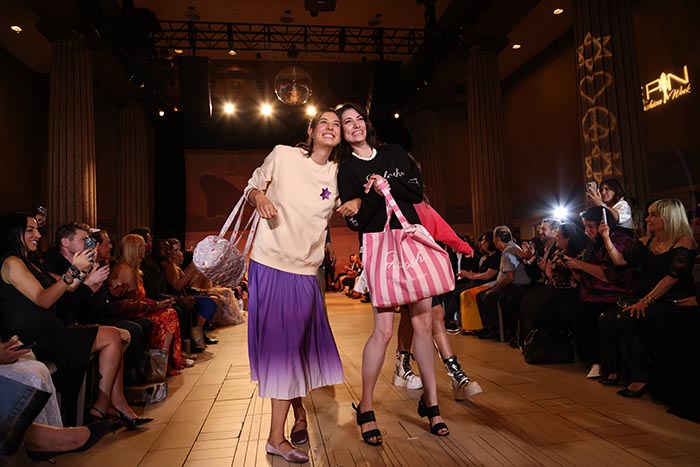
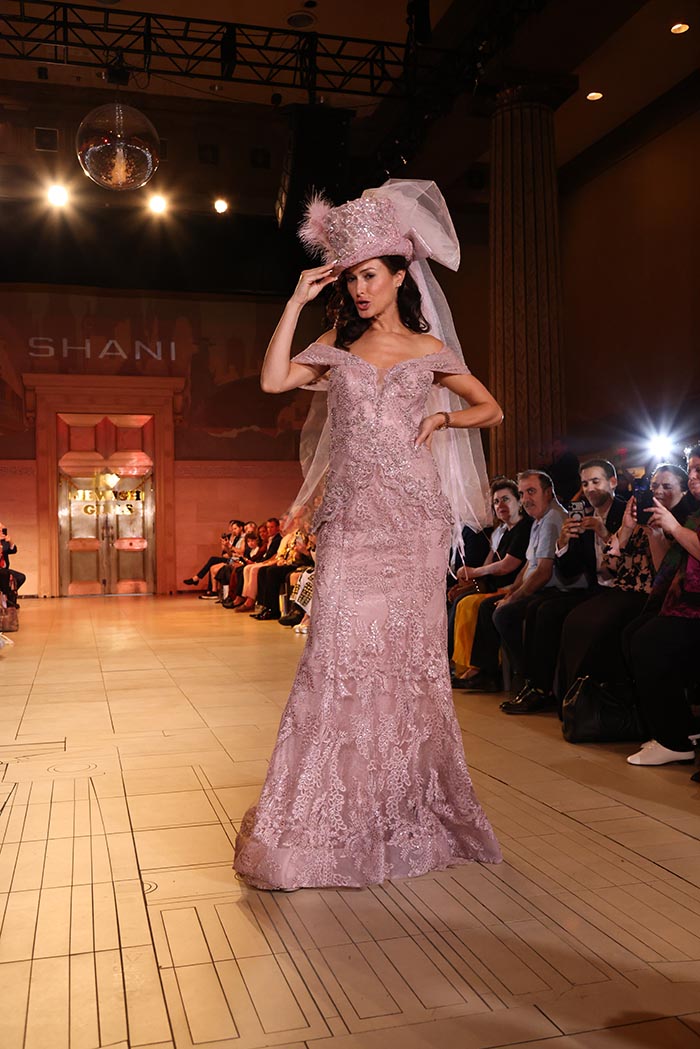
The runway opened with artist and designer Elizabeth Sutton wearing a gown and headpiece by Israeli brand Shani Dress, followed by segments of ready-to-wear, modest fashion and couture. Sweaters proclaimed “Stop Antisemitism” and “Chutzpah.” There were shirts reading “I Love Jewish Boys,” garments built around the Star of David and Israeli flag, and swimwear carrying Jewish symbols.
Couture designer Yaron Minkowski closed the runway.
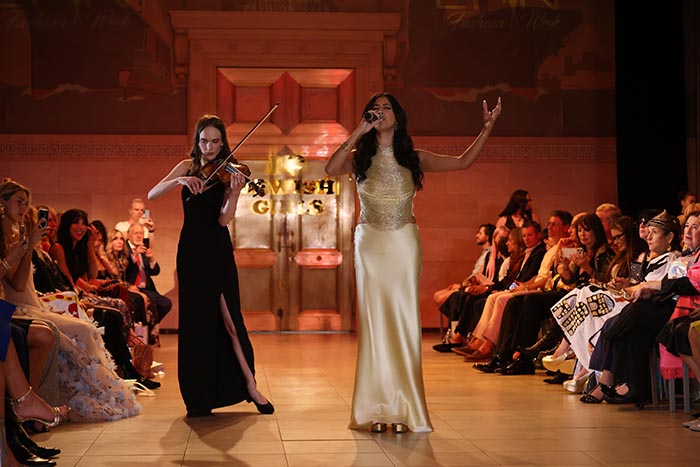
Dudu Fisher performed live, Ghazal Mizrahi sang in Hebrew and Farsi, and the finale featured Miss Universe Israel 2024 Ofir Korsia and Miss Universe Israel 2026 Danielle Yablonka. Kosha Dillz, Zach Sage Fox, Jenny Anne Hochberg, Daniela Sonnenfeld and Ari Ackerman were among those who walked the runway. Yael Hashavit, Head of Cultural Affairs at the Consulate General of Israel in New York, addressed the audience from the stage.
And then came the shofar.
There was something profoundly moving about ending a New York Fashion Week runway with that ancient sound as we entered Rosh Hashanah. For a moment, the noise of fashion gave way to something much older: memory, faith and renewal.
And that is when the evening became deeply personal for me.
As I stood there, I realized I was not standing in that room alone. I was carrying with me the women who came before me—my ex-mother-in-law, Donna Schneier, and the beautiful, strong women in my family, including those who survived the Holocaust.
They knew loss. They knew fear. They knew what it meant to fight for their families and their futures. They could have been defined by what was taken from them, but instead they chose to build, to love, to endure and to keep moving forward.
Their strength is part of my DNA.
This show was my silent tribute to them—to the women whose shoulders I stand on, who helped shape me, believed in me and supported me.
And as I looked out at that runway, I felt something I cannot fully explain:
They had somehow fought their way through history so that I could be standing there.
That realization changed the meaning of the entire night.
I wasn’t simply producing a fashion show. I was helping create a moment in which Jewish women, Jewish families and Jewish creativity could be seen without apology.
Alejandro calls us “walking billboards,” and I believe that. Fashion can be decoration, but it can also be declaration. It can tell the world who we are without asking permission.
That night, the clothes carried a message:
We are here. We remember. We are proud.
For me, that is where faith and fashion meet.
Fashion gives us a way to express identity. Faith gives that identity memory and meaning. And when the two come together, a runway can become something much bigger than a runway.
From a producer’s perspective, the most rewarding part isn’t simply seeing the lights come up or the models walk out. It is watching an idea that once existed only in your imagination become real in front of you.
You see the designer’s vision come alive. You hear the music. You watch the audience react. You see people who may never have been in the same room before suddenly sharing something deeply personal.
And this production reminded me why I have spent so much of my life bringing faith, fashion, culture and people into the same room.
Because sometimes the most meaningful shows are not the ones that simply showcase clothes.
They give people a reason to see themselves—and each other .
And for me, I LOVE JEWISH GIRLS was exactly that kind of show.
— Tobi Rubinstein
Founder, The House Of Faith & Fashion