

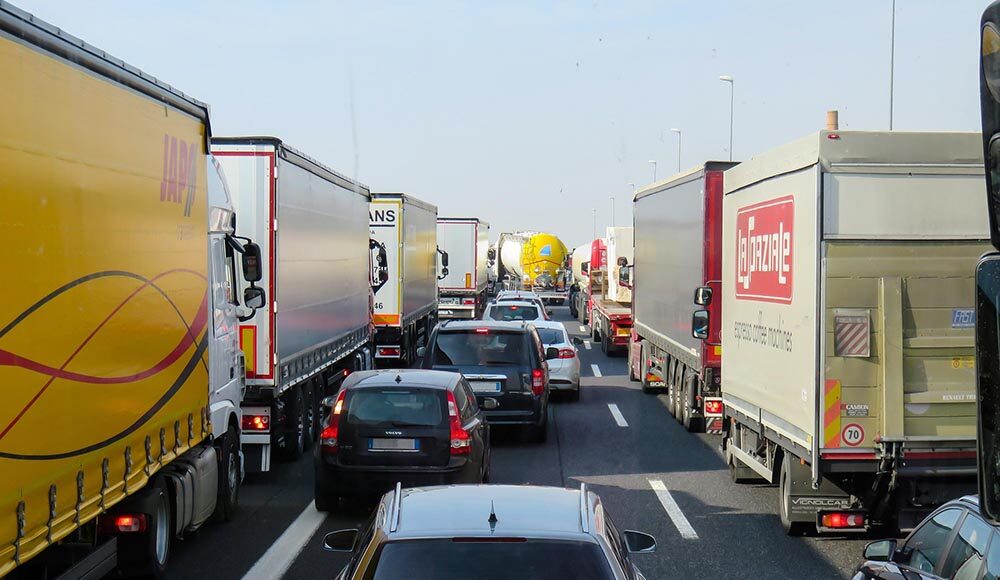
Road trips across state lines bring excitement, but unexpected collisions quickly ruin travel itineraries.
Navigating vehicle damage far from home creates confusion and stress for drivers.
Knowing how to handle emergency logistics keeps everyone safe and minimizes travel delays. Clear decisions protect personal well-being and simplify legal obligations on the road.
Prioritize Immediate Safety At The Scene
Pulling off the roadway into a safe spot reduces hazards from passing highway traffic. Drivers need to turn on hazard lights immediately to warn approaching motor vehicles. Checking passengers for physical trauma remains the top priority before exiting the car.
First responders assist with injuries and secure the crash location effectively. Learning the proper steps to take in the first 24 hours after an accident will protect physical health and financial interests during trip interruptions. Documenting initial conditions helps establish an accurate timeline for insurance claims.
Exchanging insurance details with other involved motorists prevents unnecessary friction later. Staying calm on the roadside allows drivers to manage stress and gather facts. Avoid discussing fault when speaking with other parties involved in the crash.
Notify Local Law Enforcement Immediately
Calling local police creates an official record of the incident for all parties. Patrol officers gather objective facts and draft comprehensive collision reports. Having an official report simplifies processing future insurance claims across state lines.
National statistics show that car crashes remain a major risk for long-distance drivers. Federal traffic safety evaluations reported 36,640 total highway fatalities nationwide in 2025, which marked a 6.7 percent drop from 2024 and brought the fatality rate down to 1.10 per 100 million miles driven. These figures highlight how roadside incidents continue to affect thousands of motorists every year.
Request officers to write detailed notes and record minor vehicle damage clearly. Waiting for officers to clear the scene keeps everyone protected from highway traffic. Obtaining the police report number gives travelers quick access to official records.
Document The Scene And Vehicle Damage
Smartphones allow drivers to capture detailed pictures of damaged car parts. Wide-angle photos show vehicle positions, skid marks, weather conditions, and road signage. Detailed snapshots of license plates help confirm driver identities quickly.
Writing down exact times and weather factors preserves fresh memories after impact. Recording contact information for independent witnesses strengthens official incident reports. Clear evidence prevents conflicting stories from altering insurance settlement discussions.
Keeping digital copies of all photographs prevents unexpected file loss during travel. Storing images in secure cloud storage allows easy access from any device. Presenting clear photos helps claims adjusters evaluate vehicle repairs accurately.
Manage Out-of-State Legal Issues
Crashing far from home introduces legal challenges regarding jurisdictional rules. Federal travel safety data showed passenger vehicle occupant deaths during out-of-state travel fell 13 percent between the first half of 2025 and the first half of 2026. Crossing state lines requires understanding different traffic codes and insurance filing deadlines.
Managing out-of-state collisions requires specific actions:
- Contact local authorities to request an official accident report.
- Inform personal auto insurance providers about the distant location.
- Seek local medical evaluations for hidden physical symptoms.
Following these actions protects driver legal rights across state borders.
Consulting legal counsel familiar with local state laws protects driver rights. Local attorneys understand state-specific fault rules and court procedures. Professional guidance prevents mistakes when dealing with out-of-state insurance agencies.
Notify Auto Insurance Companies Early
Informing insurance representatives right away starts the claims process without delay. Adjusters need exact details about vehicle locations and rental car arrangements. Early notification prevents policy coverage disputes regarding delayed incident reporting.
Explaining the travel situation helps representatives set up local towing assistance. Insurance agents coordinate roadside repairs with certified body shops nearby. Timely communication speeds up rental car approvals so travel can resume.
Saving claim numbers in a mobile device keeps details accessible on the road. Following up with adjusters keeps repair estimates moving forward smoothly. Direct updates from claims handlers clarify timeline expectations for vehicle recovery.
Seek Medical Attention Without Delay
Adrenaline often hides physical injuries immediately following a major collision. Visiting an urgent care clinic or emergency room identifies hidden soft tissue damage. Professional medical records establish a clear link between the crash and physical harm.
Following prescribed medical treatments protects long-term health and physical recovery. Skipping doctor appointments gives insurance adjusters grounds to question injury severity. Keeping detailed records of medical bills supports accurate compensation claims later.
Tracking daily symptoms helps doctors adjust treatment plans for faster healing. Requesting copies of medical charts provides solid proof for insurance reviews. Prioritizing physical health supports a safe return home after medical clearance.
Organize Travel Logistics And Car Repairs
Arranging alternative transportation keeps travel plans moving after a major crash. Rental car agencies near highway exits provide temporary vehicles for stranded motorists. Checking auto insurance policies reveals whether rental coverage pays for daily transportation fees.
Coordinating vehicle towing with approved repair shops prevents extra storage fees. Requesting written repair estimates helps drivers compare costs and track component replacement. Clear communication with mechanics prevents unexpected delays in vehicle delivery.
Modifying hotel reservations and flight bookings minimizes financial losses from delays. Contacting travel booking platforms helps secure refunds or schedule changes without heavy penalties. Rebooking arrangements allow travelers to focus on recovery and safe return journeys.

Unexpected traffic collisions disrupt travel plans, but taking structured steps restores order quickly. Following clear procedures protects health, preserves legal rights, and manages vehicle repair logistics efficiently.
Staying calm during emergencies empowers motorists to handle out-of-state challenges with confidence. Smart planning turns overwhelming roadside situations into manageable steps toward home.