

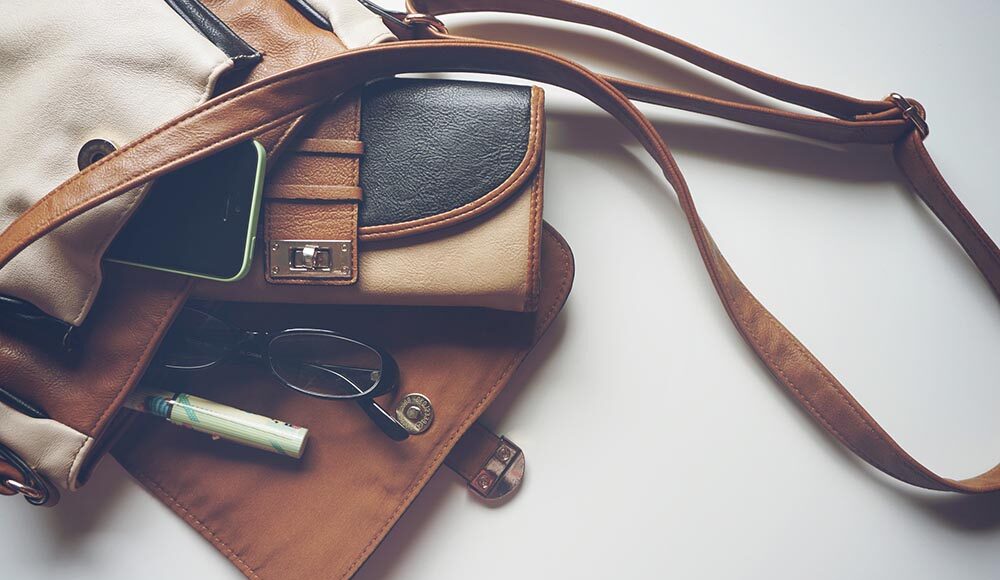
A handbag sample can be beautiful and still be unsafe to approve.
The leather may look right under studio lights, the hardware may feel substantial, and the empty bag may hold its shape perfectly. Then bulk production begins, and the ignored questions become expensive: Does the opening work? Does the base sag? Which lining, edge paint, and metal finish did everyone actually approve?
For that reason the decision to approve samples should never be based on the criteria “this looks good.” Its implication should be, “This same type of construction can be repeated, inspected, packed and sold for the agreed price.
The following checklist is for use by emerging fashion brands, handbag designers, product developers and sourcing teams preparing to jump from the sample development phase into production phase. It concentrates on the most difficult decisions to change after cutting material.
What does approving a handbag sample actually mean?
When you approve a sample custom made handbag, you are in fact agreeing to a specific item, never an abstract concept. The approved version shall specify the dimensions, materials, fabrication, hardware, workmanship, branding, packing and permissible amounts of tolerance for manufacture of the bag.
The difference between these two is important because a sample isn’t a problem of repeatability, bulk production is. You must use a sample maker to make curves after they have been gaveled and trimmed and may fine-tune a curve by eye or adjust it to account for material response as you are perfecting a single bag. If every station of a production line depends on the observer’s judgment and it is not recorded, then it is impossible for a production line to operate.
Before leaving, make a scary inquiry: If you lost the sample today would the facility still be able to make it if they had a lot of controlled information left?
If the response requires the use of chat messages, memory or “the same as last time,” then the product is not fully approved.
Does the silhouette still work when the bag is used?
Review the bag in the conditions a customer will create, not only as it sits on a table. Check it empty, partly filled, and fully loaded. Watch what happens to the base, side panels, opening, handles, and overall balance.
Runway presentation makes silhouette especially important. Fashion Week Online’s coverage of accessories at Paris Fashion Week showed how a statement bag can anchor a look, while its New York accessories coverage emphasized handbags in motion. A design that photographs well from one angle may behave differently when carried.
Write down the basic story lines. Make comparisons between the sample and approved front, side, and top views. Observe changes in the design to see if they affect the design’s character, such as a top line that dips, corners that are too rounded, a gusset that has grown more oversized, or a handle drop that makes the bag sit too close to the body.
Then check the balance. The flap, lock, or front pocket should not pull the bag forward. A shoulder bag should hang in the intended orientation, and a structured bag should keep its stance when normal personal items are added.
Record the shape with measurements and photographs. “Make it slightly firmer” is feedback, not a production instruction.
Have the measurements been checked in three dimensions?
Overall width, height, and depth are only the beginning. The measurements that shape the customer’s experience are often inside the bag or around its points of contact.
Inspect opening, handle drop, strap length, position and depth of pocket, closure flap overlap, base width and closure clearance. Place it in the bag if the bag is to be used for a particular object. If you can only angle it so far for a laptop to fit in, it really doesn’t have a useable laptop opening.
Measure matching features from fixed reference points. For example, define a pocket position from the top edge and side seam, not with a note that says “centered.” If symmetry matters, measure both sides rather than assuming the eye will catch every difference.
State how production measurements will be taken. Soft materials produce different readings when pulled, flattened, or relaxed, so define whether the bag is measured empty, closed, laid flat, or standing naturally.
Are the materials identified precisely enough to reorder?
A material name is rarely a complete material specification. “Black leather,” “beige lining,” or “gold hardware” leaves too much open to interpretation when the next lot is purchased.
Using main material record the Swatch / supplier reference or colour, surface, thickness / weight (where applicable), backing, colour finish, cutting direction. A small photo may be similar but yield different silhouettes in terms of grain, sheen, stretch and hand feel.
It’s the same treatment that should be given to lining, reinforcement, foam, webbing, edge paint, adhesives and hardware finishes. So when it comes to the unobtrusive decisions, they can make a bag crisp, soft, heavy, flexible or downright budget-friendly.
If colour matters, determine how the primary material colour, lining colour, thread, edge paint, zipper tape and hardware colour appear and differ when contrasted under various light sources. Always retain physical samples, never just photographs – texture, gloss, thickness & changing reflections cannot be captured in the photograph.
Is the internal structure doing the job you expect?
The shell does not reveal how the bag will behave after repeated use. Internal structure controls panel collapse, base bowing, handle distortion, and closure alignment.
Examine any handles, strap tabs, D rings, magnetic snaps, locks, feet or other items that support the load for the backing and reinforcement. The intent is not to make each area as hard as it can be. To place support at the point of receiving an impact into the bag but not cause hard contact points or ridges or a “board” feel at contact points designed to flex.
Head up the load from the handle to the body. If an attachment only imbeds the outer material, then there may be “friction at the surface,” and the outer material will stretch and the stitching will not break. It’s also important that it fades out cleanly, not producing a ridge.
For structured styles, check whether the base support, side reinforcement, piping, and top edge work together. One firm component cannot compensate for a weak overall construction. For soft bags, make sure hidden reinforcement has not changed the drape that made the design appealing in the first place.
Do the hardware and closures move naturally?
In regard to hardware approval, operation, placement, noise, weight and consistency of finish are all included. Open and close each zip, snap, turn lock, buckle, hook and magnetic closure over and over the empty and full bag.
A closure may work, but not sound or look as it should. The lining might become snagged in a zipper. A magnetic snap could have an extended pull time and might need two hands due to the fact that the panels do not match up naturally. A turn lock can be set at an angle when the bag is filled. It is possible for a strap hook to turn and reveal an unfinished side.
Choose heavy-weight fittings for heavy materials, and light-weight fittings for a heavy bag; too much weight and a soft body can be distorted, too little and a heavy body will be undermined. Use a standard to define your finish: champagne, warm yellow, brushed brass or mirror polish? Before making, measure all metal parts against one another, and measure the total tolerances that will be allowed before the parts fit together.
Does the workmanship look consistent up close and at arm’s length?
Inspect workmanship from two distances. Up close, review stitching, seams, edges, piping joins, glue marks, wrinkles, and hardware setting. At arm’s length, check the alignment of the complete bag.
When seaming — use more than “neat”. Record the desired distance from the edge, the stitch appearance, the colour of the thread, the securing stitch (backstitching or otherwise), and indicate which areas should have parallel stitches which will be even. Sometimes it’s a structural problem, covered with a beautiful stitch line.
Edge paint deserves special attention on curves, corners, handle edges, and layered components. Look for waves, pinholes, rough sanding, color contamination, and thick buildup around tight radii. Flex painted areas gently where the design expects movement; a rigid edge treatment may not suit a repeatedly bent part.
Do not ignore the inside. Turn pockets outward where possible. Feel behind the lining for sharp hardware backs, loose material, lumps of reinforcement, or seam allowances that create visible ridges. Open the bag wide and inspect the view the customer sees every day.
Are the branding details controlled rather than merely present?
Branding approval should define position, scale, color, orientation, application method, and the surrounding space. The logo being “on the bag” is not enough.
Measure a logo from stable construction points. Confirm how it sits when the bag is closed, carried, and filled. Check embossing depth, print coverage, metal logo alignment, label stitching, and whether any backing or hardware is visible from the inside.
Review labels, hangtags, barcodes, dust bags, protective covers, carton markings, and insert cards together. The responsible brand team should approve spelling, legal wording, and product codes before packing begins.
Packaging must protect the approved shape. Stuffing, strap wrapping, hardware protection, and handle position in the carton affect the first impression. If a structured bag arrives creased, the customer will not care how it looked on the sewing line.
Has every revision been captured in one controlled record?
The final sample should have a clear revision number and a matching approval package. That package should combine the specification, material references, construction notes, artwork, packaging instructions, inspection points, and dated decisions that define the production version.
Whether a brand works with Meyzy’s bag development and manufacturing team, or with other custom handbag manufacturers such as Handbagio, HYD, B.S. Bag Factory, or XINZIRAIN, the useful question is not whether the latest sample was “approved” in a chat thread.
Close old decisions instead of leaving them open to interpretation. If one sample fixed the pocket and another corrected the strap, the production record must combine both approved changes. The factory should not have to infer which details from each sample remain valid.
Take photographs of the approved sample from the same angles and details which cannot be described. Label the physical sample so that it won’t be mistaken for an earlier version. If multiple approval samples are available, specify which one is more important in case multiple information types are available.
Have you tested the bag as a user, not as an observer?
A short use review exposes problems a tabletop inspection misses. Fill the bag realistically, carry it by every intended handle or strap, open it while standing, and retrieve items from each pocket.
Watch for discomfort, twisting straps, unstable handles, noisy hardware, blocked openings, lining pulled into zippers, difficult pockets, and closures that require precise alignment. Check whether decorative elements catch on clothing or whether hardware sits against the body in an uncomfortable position.
The test plan should match the design. A small occasion bag and a commuter tote do not need the same load or use pattern. What matters is that the review reflects the promise the product makes to its customer.
Agree on formal performance or compliance testing separately for the selected materials, construction, market, and claims. A few minutes of handling is useful feedback, not a substitute for required testing.
Does the approved design still fit the commercial plan?
Recheck cost and manufacturability after the sample is resolved. Development often adds a custom puller, thicker reinforcement, another painted edge, an extra pocket, or more protective packing. Each choice may be reasonable, yet the combined product exceeds its target cost.
Ask for the production quotation to match the final approved specification, not an earlier version. Confirm which materials or components have minimum purchase quantities, special tooling, longer procurement times, or greater variation risk. If a detail is expensive but invisible to the customer and does not improve use, this is the moment to challenge it.
Manufacturability is not an argument for flattening every distinctive idea. It is a way to protect the details that matter most. Decide which features define the design, which can be adjusted within a narrow range, and which are optional if cost or supply becomes difficult.
Custom handbag sample approval checklist
Use this table as a final review record. Add project-specific measurements, tolerances, test methods, and responsible approvers rather than relying on a simple yes or no.
| Area | What to inspect | What to document | Red flag |
| Silhouette and balance | Shape when empty, filled, standing, and carried | Approved views, fill condition, shape notes | Bag tips, twists, sags, or loses its intended profile |
| Measurements and capacity | Exterior dimensions, opening, handle drop, strap, pockets, usable capacity | Measurement method, reference points, allowed variation | Item fits on paper but cannot pass through the opening |
| Main materials and lining | Color, texture, thickness or weight, sheen, stretch, direction | Supplier reference, approved swatch, specification | Approval relies only on a photograph or generic material name |
| Structure and reinforcement | Base, panels, top edge, handles, strap tabs, closures | Material, thickness, placement, construction section | Load is carried by the surface material alone |
| Hardware and closures | Operation, alignment, weight, noise, finish | Component code, finish reference, placement | Closure works only when panels are manually forced together |
| Stitching and seams | Position, security, appearance, thread, seam shape | Stitch details and critical construction notes | Stitch line looks neat but misses reinforcement |
| Edges and finishing | Paint, folding, piping joins, corners, glue, marks | Color, finish method, acceptable appearance | Cracking, waves, buildup, rough edges, or visible glue |
| Branding and labels | Logo, labels, artwork, orientation, legal text | Approved artwork, dimensions, position | Branding is approved without measurements or final copy |
| Packaging | Stuffing, wrapping, hardware protection, dust bag, carton | Packing sequence and approved materials | Packaging changes the bag’s shape in transit |
| Revision control | Latest sample, specifications, comments, photos | Revision number, approval date, controlling sample | Production depends on scattered messages or mixed sample versions |
| Commercial fit | Final cost, component availability, tooling, timing | Quote tied to final specification and assumptions | Price is based on an earlier, simpler sample |
Approval is a handoff, not a compliment
A useful approval meeting ends with design, product development, sourcing, and production pointing to the same references and explaining exactly what must be repeated.
Load the bag, measure it, operate it, turn it inside out, compare the components, and close every revision. If a detail cannot be described or inspected, it remains open to interpretation.
A strong sample should preserve the creative idea. A strong approval package makes that idea repeatable.