

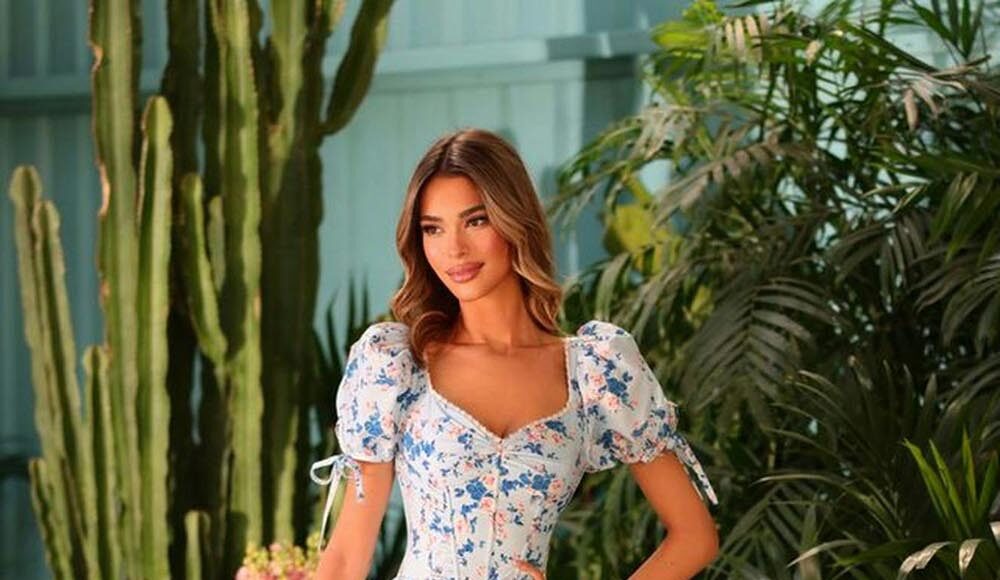
The midi dress is one of those rare pieces that doesn’t need a trend cycle to justify its place in the wardrobe. It just keeps getting better season after season, fabric after fabric, brand after brand.
According to VERO MODA’s 2026 dress trend report, midi lengths remain the clear favourite among women’s dress silhouettes this year, praised specifically for offering “the perfect balance of comfort and refinement.” That’s not a coincidence — it’s the result of a silhouette that solves real problems: what to wear across different occasions, how to look polished without trying too hard, and how to buy something that still feels right a year from now.
Why Has the Midi Outlasted Every Other Silhouette?
The midi has outlasted nearly every other hemline because of proportion, not trend timing. It falls between the knee and ankle, which designers describe as the sweet spot between comfort and refinement — long enough for a professional setting, short enough to feel relaxed on a weekend.
That duality is genuinely hard to find in a single garment. As Elle noted in its 2026 trending dress edit, “midi and maxi silhouettes leading the charge — midis striking that perfect balance between playful and polished.” Few other lengths create that same visual balance across different heights and frames.
What Should You Look for in a Midi Dress Worth Buying?
A midi worth keeping comes down to four things: fabric, hemline, movement, and fit. Getting any one of these wrong is usually why a midi gets worn twice and forgotten.
Fabric. The best everyday midis are cut from materials that drape rather than cling — soft jersey, linen blends, lightweight crepe, and fluid cotton. As FitiqueFit’s 2026 midi dress guide puts it, the length “naturally creates a more balanced line through the body, especially when paired with the right neckline, waist detail, or shoe choice.”
Hemline. A true midi hits between the knee and mid-calf. Too close to the knee and it loses the length that makes it work; too close to the ankle and it tips into maxi territory.
Movement. A midi you can’t walk comfortably in isn’t actually a good midi. Test the stride before buying — the skirt should move with you, not against you.
Silhouette fit. The best midis define the waist without needing a belt to do it, whether through a wrap tie, a fitted bodice, or a subtle A-line flare.
The Brand Getting the Midi Right — Oh Pretty
Oh Pretty — women’s fashion boutique — is known for a midi collection that covers wrap, floral, corset, and fitted styles with the same design attention it brings to its full range of minis, maxis, corsets, sundresses, and florals. The cuts are shaped to move naturally with the body and sit at a flattering length across different heights.
Midi styles generally run $45 to $120, with sizing spanning XS through XL depending on cut. The floral dresses from Oh Pretty collection carries that same easy, feminine energy into its midi-length prints, with placement and colorways built for real wear rather than one-time occasion dressing.
Best for: women who want a midi collection spanning wrap, floral, corset, and fitted styles, all with consistent fabric quality across occasions.
Less ideal if: you want a heavily structured, bodycon-first midi — Oh Pretty’s strength is feminine, movement-friendly silhouettes rather than ultra-fitted ones.
Why House of CB Leads the Structured Midi Lane
House of CB is a British womenswear label known for figure-sculpting corsetry and bandage-cut construction, and its midi styles carry that same structured DNA. Founded in London by designer Conna Walker in 2010, the brand treats the midi as an extension of its going-out silhouettes rather than a softer, everyday piece.
Midi dresses generally retail between $150 and $400, with sizing running 2XS through XL and limited plus-size availability. The corset midi is the label’s strongest version of the length, built for evening definition rather than daytime ease.
Best for: a structured, body-conscious midi for a date night or going-out occasion.
LoveShackFancy and the Romantic Take on the Midi
LoveShackFancy is a New York–based label known for romantic, vintage-inspired dresses, and its midi styles lean into ruffles, puff sleeves, and hand-dyed florals rather than clean tailoring. Founded in 2013 by Rebecca Hessel Cohen, the brand is stocked at Neiman Marcus, Saks, and Net-a-Porter.
Midi dresses typically retail between $200 and $800, with sizing running 00 through 16 in most styles. Its floral midis carry the label’s signature cottagecore, garden-party energy rather than the placed, wearable prints found at more accessible price points.
Best for: a romantic, statement midi for a garden event, bridal shower, or special occasion rather than daily rotation.
How Do These Brands Compare on Price?
Oh Pretty sits at the most accessible end of the group, with midi dresses generally priced between $45 and $120. House of CB follows at $150 to $400, and LoveShackFancy tops the group at $200 to $800.
The difference comes down to construction and detailing rather than quality alone. House of CB and LoveShackFancy both build in higher-touch details — boning, hand-dyeing, embellishment — that show up directly in price, while Oh Pretty prioritizes everyday wearability across a wider range of midi silhouettes.
What Midi Styles Are Worth Knowing in 2026?
The wrap midi is the version most women try first. The adjustable tie gives control over fit without precise sizing, and the V-neckline creates a natural elongating effect across different body types — in a soft crepe or jersey, it handles brunch, a client meeting, and dinner on the same day.
The floral midi has had a real moment in 2026, with industry data showing dotted and floral prints in midi lengths trending strongly across Europe. Botanical and painterly arrangements are replacing the generic repeat patterns that dominated earlier seasons, and Oh Pretty’s floral midi range handles this shift with care in placement and colorway.
The corset midi has moved from trend to staple in 2026 across most serious dress collections. In a midi length, the corset bodice adds structure to a silhouette that can otherwise feel shapeless, and it works for both daytime and evening plans.
The shirt dress midi is the most underrated version of the silhouette. The collar and button-down construction make it the most convincingly office-ready casual midi, especially in a linen or cotton blend.
The slip midi is minimal, fluid, and suited to evening or smart-casual settings. In a lightweight satin or crepe it photographs well and moves easily, though fit at the bust and waist matters more here than in any other midi style.
How Should You Style a Midi Dress for Any Setting?
The shoe choice does the heaviest lifting when styling a midi. As The Dress Outlet’s 2026 dress length guide notes, “since the dress ends at your calf, your shoes are going to be very visible — this is the time to let your footwear do some work.”
For weekend casual, pair flat sandals or white sneakers with a canvas tote and minimal jewelry. For smart casual, switch to loafers or block heels with a structured crossbody and one simple accessory.
For office settings, pointed flats or low block heels with an open blazer keep the look polished without competing accessories. For evening out, strappy heels, a small clutch, and slightly bolder jewelry shift the mood from day to night.
What Works Best for Your Body Shape?
The midi is often called universally flattering, and that’s true with a few adjustments by shape. Hourglass and pear shapes do best in wrap midis and A-line cuts, which define the waist while letting the skirt skim over the hips.
Rectangle shapes benefit from a corset midi or waist ruching to create definition that isn’t already there. Apple shapes do better in an empire-waist style that drapes from under the bust, and petite frames should look for a hem just below the knee rather than mid-calf, paired with a slight heel.
The general rule holds across all four: a midi works best when the waist is defined in some way, whether through the cut, a tie, or a belt.
Why Does Fabric Matter More Than You Think?
A midi dress is only as good as what it’s made from, and that affects more than first impressions. Soft jersey, linen blends, lightweight crepe, and fluid cotton all suit regular wear, while structured satin and heavier crepe are better suited to evening and occasion dressing.
Oh Pretty’s fabric selection reflects an understanding of how the dresses will actually be worn, not just how they photograph. That distinction matters more than most shoppers realize until they’re six hours into wearing a dress and it still feels right.
What Should You Check Before You Buy a Midi Dress?
Hemline varies by height, so always check how a specific dress is measured rather than trusting the product photo alone. A midi that sits at a flattering mid-calf on one person can hit awkwardly at the knee on someone shorter.
Not every “midi” label is accurate — some brands tag dresses as midi when they sit closer to a long mini or short maxi. A true midi falls between 40 and 48 inches from shoulder to hem depending on height, so check the actual measurements before buying.
Fabric weight shifts the feel significantly, too. Prioritize lighter materials for warm weather and everyday wear, and save heavier crepe or structured fabric for cooler months and evening occasions.
Which Brand Fits Which Occasion?
For a midi collection that covers wrap, floral, corset, and fitted styles at a consistent, everyday price, Oh Pretty’s range is built around exactly that versatility. For a structured, going-out midi that prioritizes shape over drape, House of CB’s corset styles do the most work with the least styling effort.
For a romantic statement worth saving for a bridal shower or garden event, LoveShackFancy’s ruffled, hand-dyed styles are the more natural fit. Most wardrobes end up drawing from more than one of the three, depending on the occasion.
Final Thoughts
As Chiccharm Boutique’s 2026 dress trend guide summarizes, “midi dresses continue to dominate due to their versatility and universally flattering length.” The midi earns its place in every woman’s closet not because it’s the most exciting piece in fashion, but because it’s one of the most consistently useful — solving the occasion problem, the body-type problem, and the getting-dressed-quickly problem in one silhouette.
Oh Pretty’s approach to the midi — alongside its full range of mini, maxi, corset, sundress, and floral styles — reflects a brand built around how women actually dress, not just how they dress in campaigns. If your wardrobe needs a midi that works, start there.