

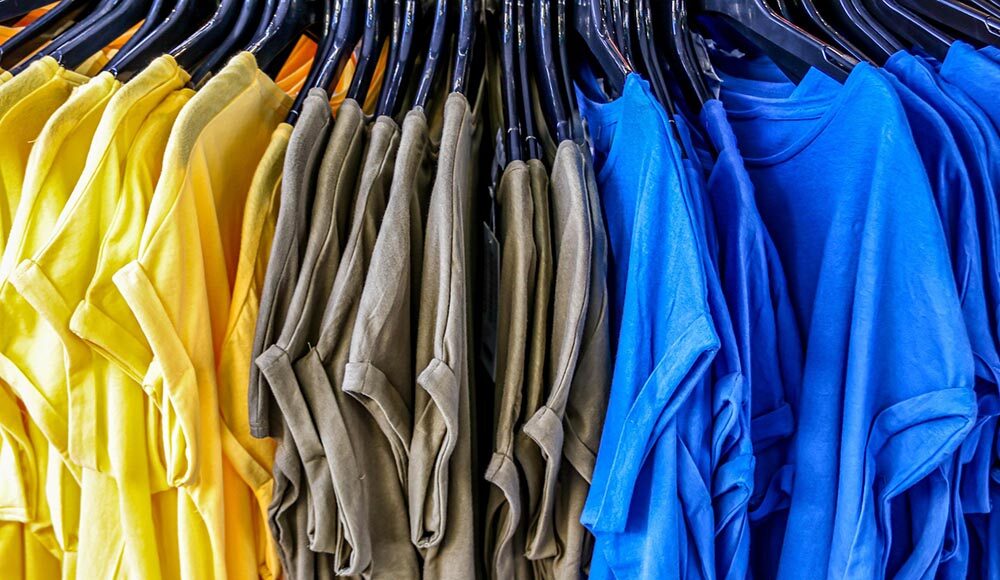
Every event has a wardrobe, whether anyone planned it or not. The volunteer tee at a trade show, the polo on a floor manager and the gown at the end of an aisle all say something before a word is spoken.
Good apparel planning starts earlier than most people expect. Not with artwork or fabric swatches, but with a decision about what each garment is supposed to communicate.
Decide what each garment has to say
Write down the purpose of every piece first. Staff identification, merchandise, gifting and ceremonial wear have different requirements, and one shirt rarely does all four jobs well.
Then list the practical constraints. Venue lighting, climate, expected movement, dress code and how the garment will read in photographs.
Timing matters as much as either. Event and fashion schedules are frequently not finalized until close to opening day, while decorated clothing can require several weeks for samples, production and delivery. Confirm supplier lead times early and leave room for size changes or reprints.
Branded teamwear that reads from ten feet away
Choose a decoration method by order size, fabric and artwork complexity.
Screen printing. Durable and cost-effective for bulk runs with bold, limited-color designs. The setup cost sits in the screens, so unit economics improve sharply with volume.
Direct-to-garment printing. Suited to small runs and detailed, multicolor artwork on cotton. No setup charge, which is why it wins below a certain quantity and loses above it.
Heat transfer. Useful for vivid small batches, names and individual numbering. The obvious choice when every garment differs.
Embroidery. Textured and understated for polos, caps and jackets. Priced by stitch count rather than color, so a detailed logo costs more than a simple one regardless of palette.
Combed, ring-spun cotton is a common printing surface because it is smooth and accepts several decoration methods. The right fabric still depends on the setting. Staff working outdoors or moving equipment will be more comfortable in a durable blend or a moisture-managing fabric.
If you are outfitting staff or volunteers, browse promo t-shirts and compare cuts, fabrics and decoration methods before approving artwork. Brand Republic, for example, lists screen printing, digital transfers and embroidery among its customization options for corporate and event orders, which lets an organizer keep several garment types with one supplier and one visual identity.
The sample step nobody should skip
Request a physical sample before the full run, then check four things rather than one.
Color against your brand reference under venue-similar lighting, since screen and fabric rarely match a digital proof. Placement on a body rather than flat, because a logo centered on a folded shirt sits wrong on a person. Comfort after an hour, not after thirty seconds. And the care label, since a garment that shrinks a size after one wash is a complaint waiting to happen.
Then walk ten feet away and look at it. Most logo problems are legibility problems, and they only appear at distance.
Dress codes, decoded for guests
Guests dress with more confidence when the invitation is specific.
Black tie generally calls for a tuxedo and formal eveningwear, such as a floor-length gown or polished evening separates. Creative black tie keeps that formality but allows more color, texture or an unexpected silhouette. Semi-formal steps down slightly, while cocktail attire favors shorter dresses, suits and dressy separates without becoming casual.
Put the code on the invitation rather than only on an event website, and add one sentence about the venue and conditions. A rooftop in July and a historic theater in February call for different fabrics, layers and footwear, and guests cannot infer that from two words.
Leftover merchandise is becoming a compliance question
Overordering is no longer only a budget problem. Textile waste rules are changing and organizations may face new responsibilities for unsold or discarded clothing.
The European Union’s Ecodesign for Sustainable Products Regulation restricts the destruction of unsold apparel and footwear, with obligations phased in according to business size. California’s Responsible Textile Recovery Act is establishing a producer-funded system for collecting and managing unwanted textiles.
Event rules are shifting too. The CFDA has announced that the New York Fashion Week Official Schedule will become fur-free beginning with the September 2026 season.
The practical response is to order close to a confirmed headcount, use undated designs where possible so surplus carries into the next event, and ask suppliers directly how unsold items can be reused or recycled. Confirm minimum order quantities and reorder terms before committing to a large run, because a smaller initial order with a reliable reorder route is usually safer than a buffer that goes unused.
Timing helps here as well. Checking fashion week dates and the wider seasonal calendar before setting order windows avoids the compression that pushes organizers into overordering as insurance against a late reprint.
After the wedding: preserve the story
Bridal apparel poses a different problem. Instead of planning for one day, the owner is planning for the decades afterward.
Museum guidance is consistent on the fundamentals. Clean the gown before storage, then lay it flat in a pH-neutral archival box with unbuffered, acid-free tissue. Buffered papers can damage protein-based fibers such as silk and wool, which is the detail most general advice omits. Boxing is safer than long-term hanging, because heavy skirts strain seams and distort fabric over years.
Keep the box in a stable, climate-controlled part of the home rather than an attic, garage or basement. Avoid ordinary plastic bags, which trap moisture and can release chemicals as they age. Inspect and refold periodically so the same areas are not left under pressure indefinitely.
Timing affects the outcome more than technique
Clean it early. Sugar, wine and perspiration are invisible when fresh and oxidize into brown marks over months, so a gown that looks spotless when it goes into storage can yellow before anyone opens the box.
Set an honest expectation on stain removal too. Specialists put realistic rates somewhere short of complete, depending on the stain, the fabric and how long the mark has been sitting, and any cleaner promising perfection on every mark is overselling.
For readers in New South Wales who prefer a ready-made option, a wedding dress preservation box in Sydney supplies the appropriate materials. Bridal Dry Cleaning Experts, a Sydney service, describes a preservation process using an archival-quality box lined with acid-free tissue after cleaning, which follows the same principles textile conservators apply.
Then diarize a check every twelve to eighteen months. Open the box, inspect for marks or pests, and refold along slightly different lines so no single crease becomes permanent.
The through line
Good event apparel is intentional, easy to identify, comfortable for the person wearing it and cared for after the event ends.
Whether the garment comes from a print supplier or a preservation service, the same three questions apply. What is this for, what is it made of, and what happens to it next?
Most apparel problems trace back to skipping the third one.