

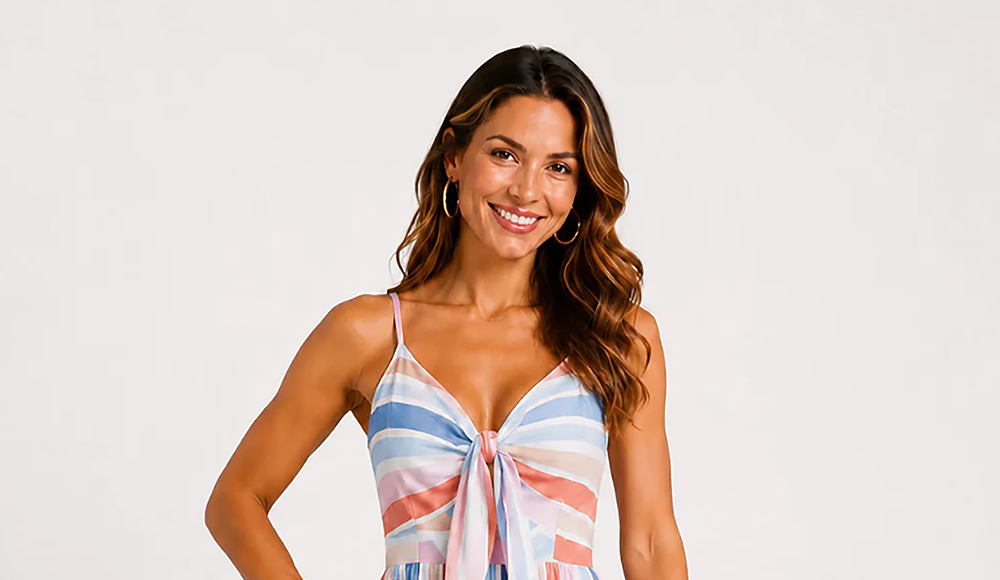
Coordinated dressing is returning with a more polished point of view.
The latest mother-and-daughter looks are not trying to make two people appear identical. Instead, they create a visible relationship through color, print, shape, or fabric while allowing each wearer to keep her own sense of style. That distinction is what makes the trend feel relevant again rather than nostalgic.
The modern version also fits the way families dress now. A coordinated look may need to work for a birthday lunch, a vacation dinner, a fashion event, and an ordinary weekend after the photographs are finished. Mothers want pieces that can re-enter their individual wardrobes, while daughters need age-appropriate silhouettes that support movement and personal preference. A successful pairing has to feel stylish in the shared moment and useful when the outfits are worn separately.
For fashion-minded families, the appeal lies in editing rather than excess. One stripe can connect two dresses. One shade can move from a print into a shoe or cardigan. One repeated detail can make the relationship clear without turning the clothes into costumes. The result is a softer form of statement dressing: recognizable at first glance, but more interesting when each look is considered on its own.
Why Coordinated Dressing Feels Modern Again
Fashion repeatedly returns to ideas that can be reinterpreted. Mother-and-daughter dressing once leaned heavily on exact duplication, with the same fabric, neckline, and accessories repeated at two scales. Today, the stronger approach is translation. An adult silhouette can feel refined, while a child’s version keeps the same visual language in a simpler, more playful form.
This shift reflects a wider preference for styling that looks intentional without appearing overworked. The relationship between the outfits may come from a shared print, a related palette, or a similar level of formality. Because the connection is visible without being rigid, both wearers can look like themselves. That balance turns coordinated dressing from a novelty into a credible fashion choice.
How Matching Dresses Create a Shared Style Story
The renewed interest in mommy and me dresses is closely tied to visual storytelling. A mother and daughter can communicate closeness through one design idea while still showing different personalities. The eye notices the relationship first, then begins to see how the silhouettes, accessories, and proportions have been adjusted for each wearer.
A shared style story works best when it has a clear focal point. If the dresses use a strong stripe or botanical print, the rest of the styling can remain controlled. If the garments are mostly solid, a repeated texture or accent color can provide the link. The goal is not to repeat every detail; it is to choose one element strong enough to hold the two looks together.
This approach also makes the pairing easier to remember. A photograph becomes visually cohesive, but the outfits do not lose their individual character. The mother may look polished and directional, while the daughter appears playful and comfortable. Together, they form one fashion idea expressed in two voices.
Why One Print Can Look Different on Two Wearers
Print changes according to proportion and cut. A colorful stripe on a longer adult dress may appear graphic and elegant, while the same stripe on a child’s shorter silhouette can feel energetic and light. The print is shared, yet its effect is shaped by the wearer.
Different necklines, strap widths, lengths, or waist treatments can make one pattern more appropriate for each person. The strongest pairings respect those differences instead of hiding them. They use repetition to create connection and variation to keep the look alive. When a print contains several colors, each wearer can also emphasize a different shade through shoes or a small accessory.
Turning a Color Palette Into Two Distinct Looks
A multicolor design gives both wearers room to make separate styling choices. The mother might choose a structured bag in one shade from the print, while the daughter wears a cardigan or hair accessory in another. Because both choices begin with the same palette, the outfits remain connected without depending on identical accessories.
Keep the supporting details edited: one shared print, one repeated accent shade, neutral footwear, and one personal detail for each wearer. Too many color echoes can make a coordinated outfit feel overly planned. A restrained palette lets the dress pattern lead while preserving an individual finish.
A Striped PatPat Look Shows the Idea in Practice
PatPat currently lists the featured design as Mommy & Me Stripe Outfits Multi-Color. The page presents separate options for women, girls, and babies, built around a colorful striped camisole-dress direction. The shared print creates an immediate visual connection, while the available wearer categories allow the styling to be adjusted across ages.
The current page lists a fabric composition of 94% polyester and 6% spandex. It also provides cold-water hand- or machine-washing guidance, followed by low tumble drying or air-drying, with no bleach. These details belong to this specific product page and should not be generalized to every coordinated dress or PatPat collection.
The product is presently shown as out of stock, so it works best as a styling example unless availability changes. Before ordering this design or a current alternative, shoppers should review the exact wearer option, product-specific size chart, composition, care instructions, inventory, and return eligibility. A styled photograph should not be treated as proof that both garments are included in one selection.
Styling Coordinated Dresses for Different Occasions
The setting should influence how strongly the outfits match. A vacation dinner or family celebration can support a visible print connection. A museum visit, brunch, or afternoon event may suit a quieter version, with one wearer in the print and the other using a related solid color when an appropriate option is available.
Accessories can shift the mood without changing the dresses. Flat sandals and a soft cardigan make the pairing relaxed, while a structured bag or cropped jacket sharpens the adult look. For the child, practical footwear and an uncomplicated layer preserve movement. The outfits should remain comfortable enough for walking, sitting, eating, and enjoying the occasion rather than merely posing for it.
Letting Personality Shape the Coordinated Look
The difference between a stylish pairing and a costume often comes down to personal choice. A daughter who selects her own hair clip, shoes, or light layer is more likely to feel part of the styling process. A mother can introduce her own fashion point of view through jewelry, tailoring, or a bag without weakening the shared theme.
This is especially useful when considering mom and daughter matching outfits for older children. As personal taste becomes more defined, exact duplication may feel restrictive. Coordinating through color or print allows the relationship to remain visible while respecting a daughter’s growing independence.
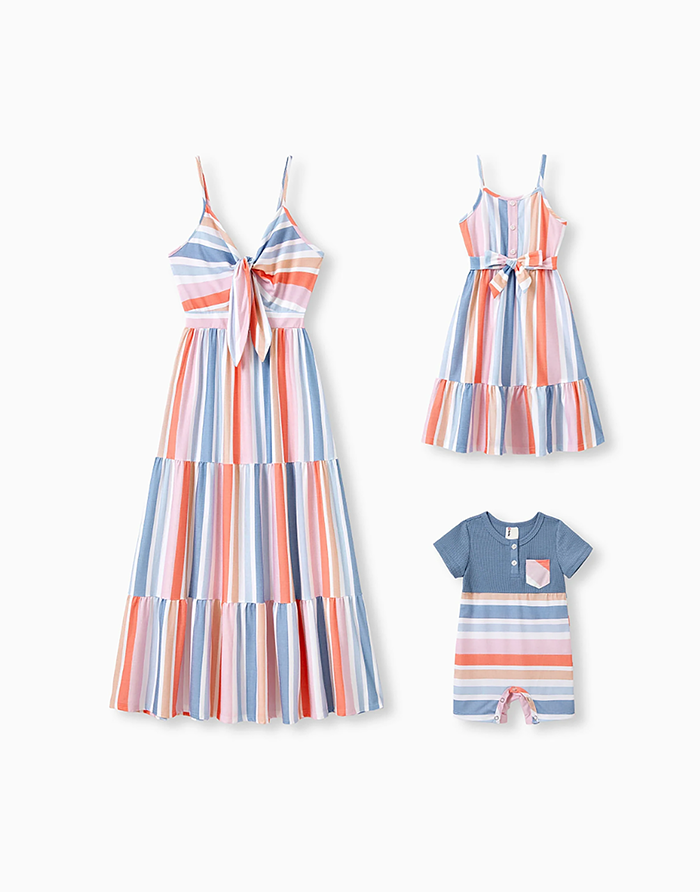
The same dresses can also be restyled for different occasions. Simple sandals may suit daytime, while a new layer or accessory can shift the look for evening. This flexibility keeps the coordination from feeling fixed.
Choosing Proportion and Fit With the Final Image in Mind
Fit affects both comfort and visual balance. A dress that is too loose may hide its intended shape, while one that is too tight can restrict movement. The product-specific chart should guide each selection because women’s, girls’, and baby options may use different measurements.
Compare current measurements with the exact chart rather than relying only on familiar labels or age ranges. Consider chest, waist, length, intended ease, and planned layers. When both dresses carry a bold print, keep accessories controlled so the pattern remains the focal point instead of competing with oversized bags, shoes, or multiple hair details.
Making Sure the Dresses Work Beyond One Photograph
A coordinated purchase becomes more useful when each garment can create independent outfits later. Picture the mother’s dress with a denim jacket, neutral sandal, or blazer, then imagine the daughter’s version with a familiar cardigan, sneaker, or sun hat. If both pieces still make sense alone, the coordination has genuine wardrobe value.
Before checkout, identify at least two future occasions for each garment. This simple test separates a versatile fashion choice from a look that depends entirely on one photograph. Modern matching works best when the shared appearance is temporary but the dresses continue to earn repeat wear.
Why the Trend Works Best Without Perfect Symmetry
The return of mother-and-daughter dressing is not driven by perfect duplication. It works because fashion has become more comfortable with relationships that are visible but not rigid. A print can connect two generations, a color can travel between silhouettes, and small differences can make the overall picture more compelling.
For the featured PatPat style, the stripe should remain the main visual statement while fit, accessories, and wearer choices stay individual. Review the current product page, select each wearer option separately, compare actual measurements with the relevant chart, and confirm the cart details and policies before purchasing. When coordination supports personality instead of replacing it, the result feels current, expressive, and easy to wear again.