

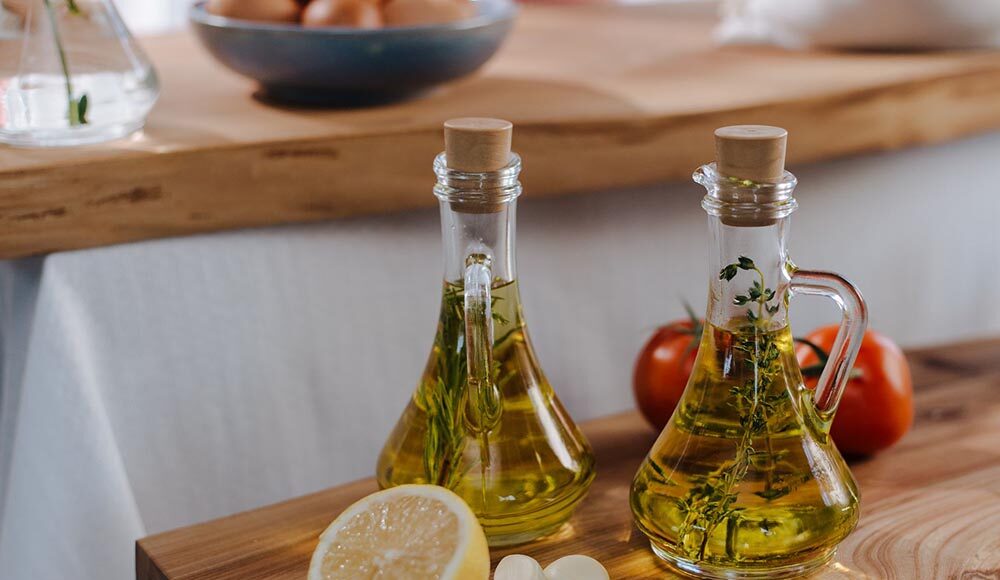
Walking down the grocery aisle presents dozens of options for cooking fat.
Sorting through bottles marked with different extraction terms leaves many shoppers confused about which option fits their kitchen best.
Making the right selection comes down to understanding how manufacturers process the fruit. Processing methods directly change flavor, nutrition, and cooking performance across every recipe.
The Basics of Extraction Methods
Mechanical pressing relies on physical pressure rather than chemical solvents to pull liquid from fresh fruit. Traditional stone mills or modern steel centrifuges crush the harvested crop into a uniform paste. The mechanical action separates fat from water without destroying internal fruit structures.
Separating liquid from solids without high heat keeps original elements intact. Many home cooks browse specialized selections at frantoiogrove.com when searching for unrefined options made through purely mechanical means. Buying directly from quality producers guarantees you receive raw liquid with full integrity. The direct extraction preserves every single subtle characteristic of the original harvest.
Refined variations take a different path through industrial facilities. Chemical neutralizing agents and thermal treatments remove natural odors, colors, and free fatty acids from lower-quality yields. An extra manufacturing step produces a standardized liquid that behaves consistently in mass production settings.
How Heat Changes the Product
Temperature control during production dictates final quality. Heat allows processors to extract a higher volume of liquid from crushed fruit, but excess thermal energy destroys delicate natural elements. High temperatures break down delicate compounds before the finished product ever reaches a bottle.
Cold-press extraction, keeping temperatures under 27°C, preserves delicate aromatic compounds along with plant phenolics that intense thermal processing destroys. Maintaining low temperatures safeguards raw qualities straight from the orchard. A gentle treatment locks in natural aromas and deep colors.
Refinement facilities apply heat exceeding 200°C to strip out harsh flavors and defects. The aggressive treatment strips away original plant compounds, leaving behind a neutral base. The resulting liquid lacks the depth found in raw extractions.
Flavor Differences in Your Kitchen
Unrefined liquids carry rich taste profiles reflecting fruit origin and harvest timing. You can taste distinct notes depending on climate, soil composition, and olive variety. Natural flavor nuances add balance to simple meals.
Standard profiles break down into recognizable tasting categories across different bottles:
- Pepper and grass notes from early harvest crops
- Butter and mild fruit undertones from mature fruit
- Neutral, flat taste profiles from heat-treated oils
Refined options offer almost zero distinct flavor or scent. Cooking with refined liquid lets primary dish ingredients shine without adding strong fruitiness or bitterness. The neutral character makes it useful for baking or delicate stir-fry dishes.
Impact on Long-Term Health
Nutritional value hinges on minimal intervention during manufacturing. Unprocessed liquids hold higher levels of healthy monounsaturated fats and active plant components. Compounds remain intact when thermal exposure remains strictly controlled.
A long-term study following 92,383 adults across 28 years revealed that consuming more than 7 g daily corresponded to a 28% lower risk of dementia-related death. Regular dietary inclusion yields meaningful protective benefits over decades. Adding quality fat to daily meals supports body systems through natural nutrient intake.
Refining strips away healthy micronutrients alongside unwanted impurities. Choosing raw extractions supports wellness goals through higher compound retention. Keeping full chemical profiles intact provides body tissue with natural antioxidants.
Understanding Phenol Levels and Heart Health
Phenolics serve as protective compounds in fresh fruit extractions. High concentrations of plant chemicals guard lipids against oxidative damage during bottle storage and in human tissue. Freshly pressed oils deliver maximum concentrations of healthy elements.
Clinical research shows people consuming high-phenolic olive oil experienced total cholesterol reductions averaging roughly 17 mg/dL lower than control groups. The specific plant elements play a direct role in heart health outcomes. Incorporating raw extractions into a daily routine supports cardiovascular wellness naturally.
Refined oils contain minimal phenolic content from heavy washing and heating. Most protective benefits disappear when processing strips raw content down to basic fatty acids. Selecting unrefined bottles ensures your kitchen stock retains valuable protective molecules.
Cooking Applications and Smoke Points
Smoke point represents the temperature where fat begins breaking down and smoking. Heating fat past its stability threshold creates off-flavors and unpleasant smoke in the kitchen space. Knowing individual thermal limits keeps cooking spaces safe and meals tasting fresh.
Raw mechanical extractions work best for raw dressings, finishing, and medium-heat sautéing. Keeping heat moderate preserves natural antioxidants during stove-top prep. Pouring raw oil over finished vegetables elevates subtle plate flavors immediately.
Refined liquids handle higher heat applications like deep frying or high-temp searing without burning. Stripping impurities gives refined liquid a higher heat threshold for heavy stove work. Kitchens benefit from keeping the varieties on hand for distinct tasks.
Selecting the best bottle depends on intended culinary use and personal health goals. Keeping unrefined options for finishing dishes while using refined products for high-heat frying gives home cooks complete versatility.
Understanding processing differences helps you make informed grocery decisions every time. Balancing both types in your pantry yields optimal taste and function across every recipe you create.