
Photos: Ramil Nakayama @ramil_nakayama
For Tinarie Eans, fashion has always been about transformation.
A fifth-generation artist and seamstress, she began designing her own clothing at the age of twelve, reworking donated garments into original pieces long before sustainability became a major conversation within the fashion industry.
Today, through Tinarie Creations, Eans combines fashion design, photography, styling, and visual storytelling into what she describes as her life’s culminating creative project. Her work often incorporates reclaimed and upcycled materials, reflecting a commitment to sustainability while celebrating craftsmanship, individuality, and artistic expression.
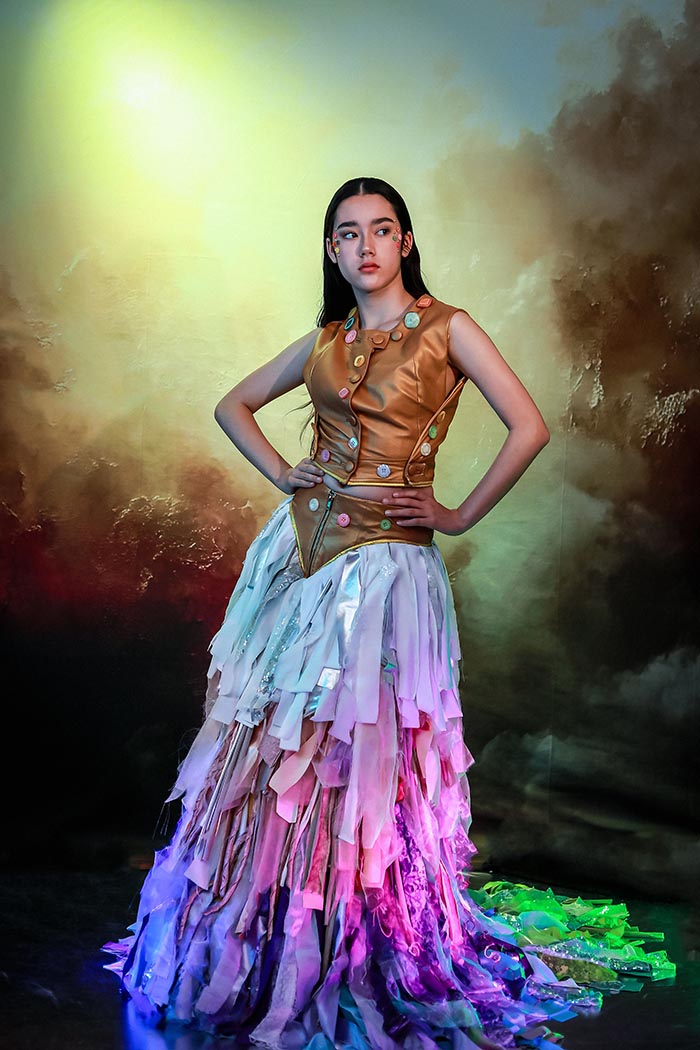
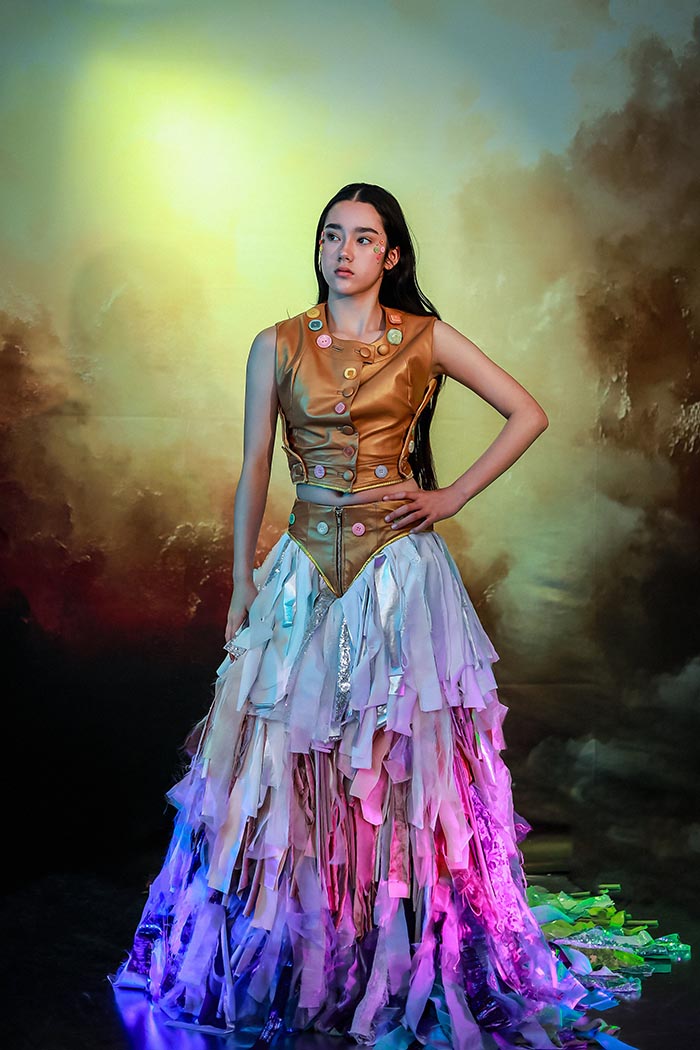
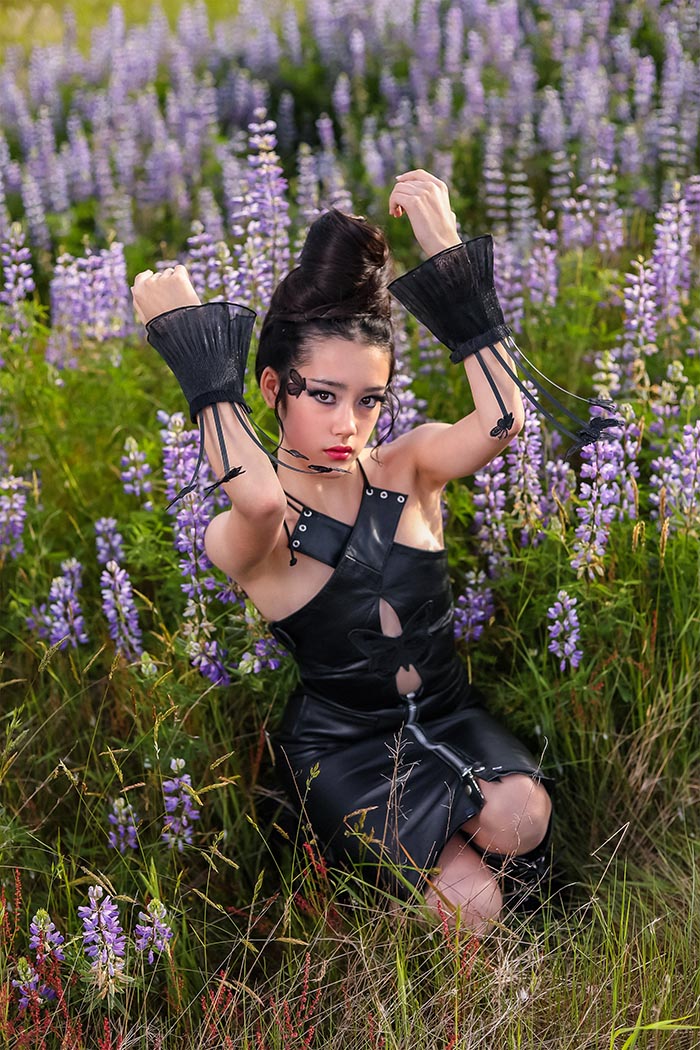
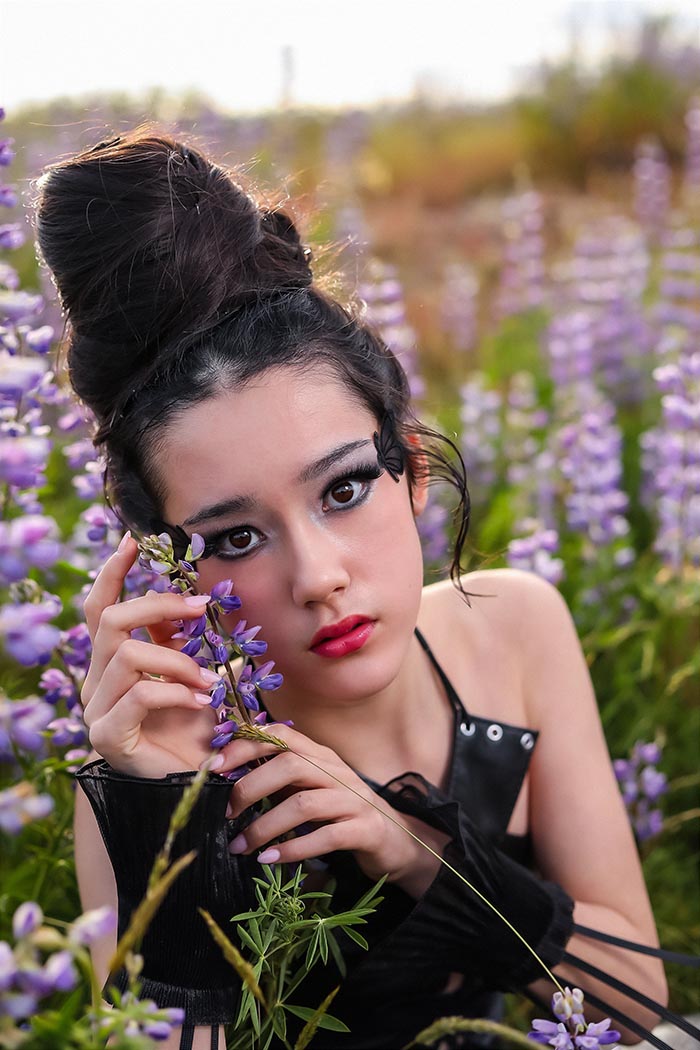
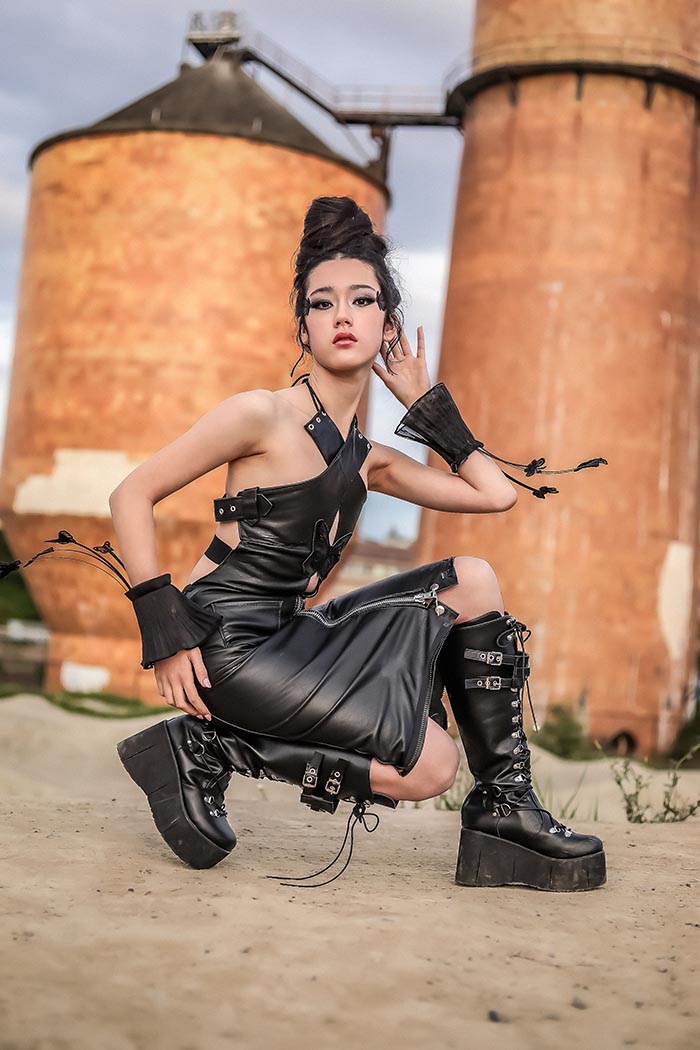
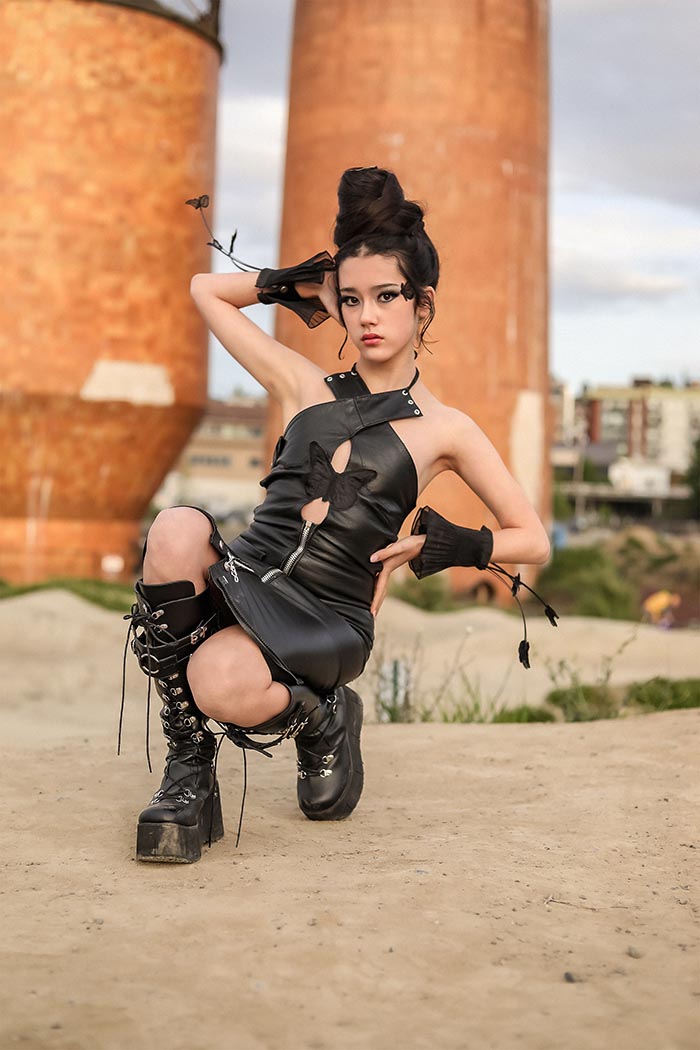
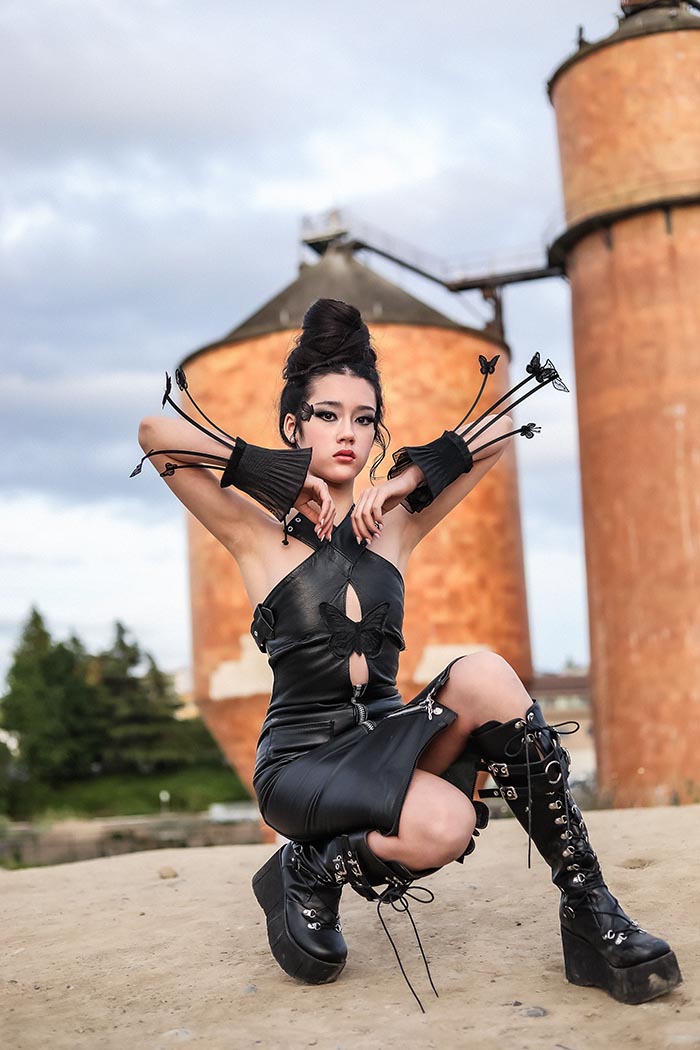
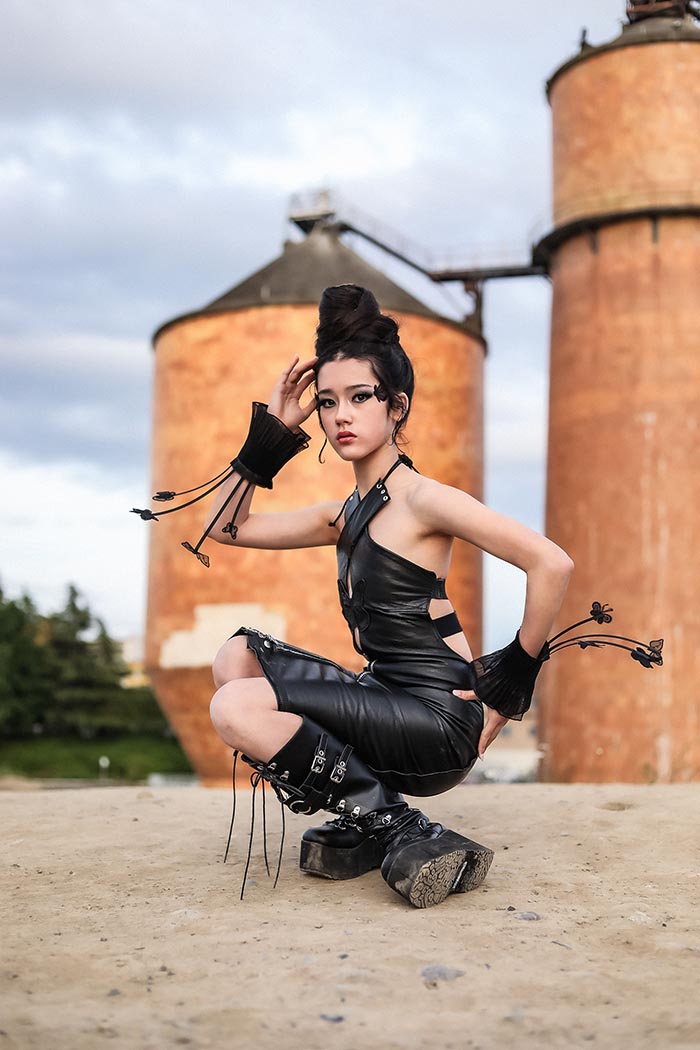
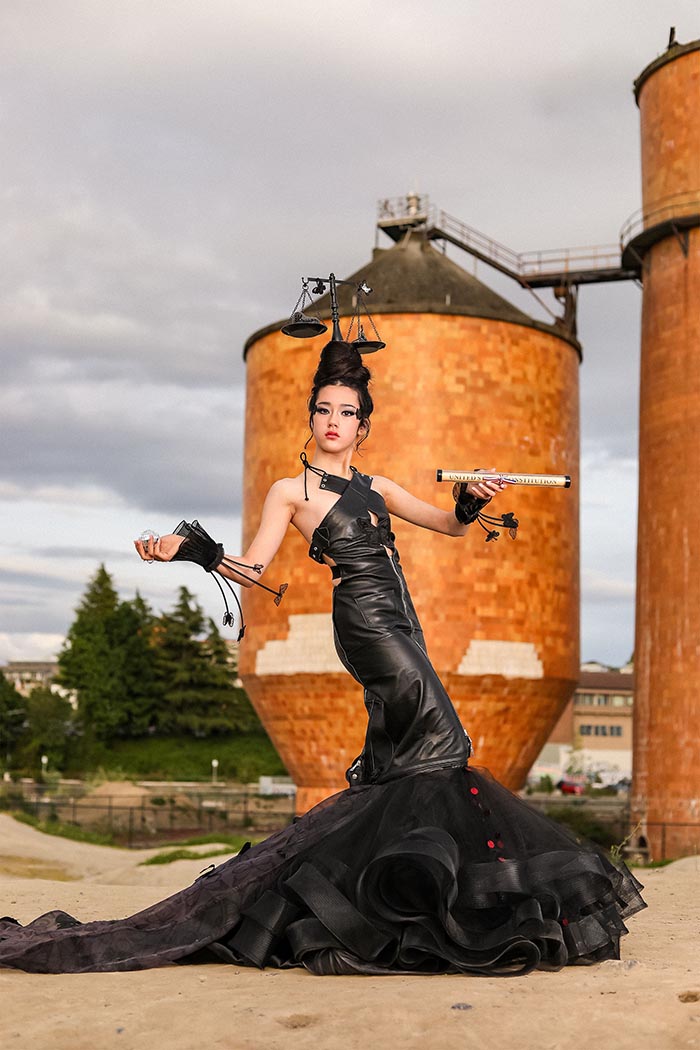
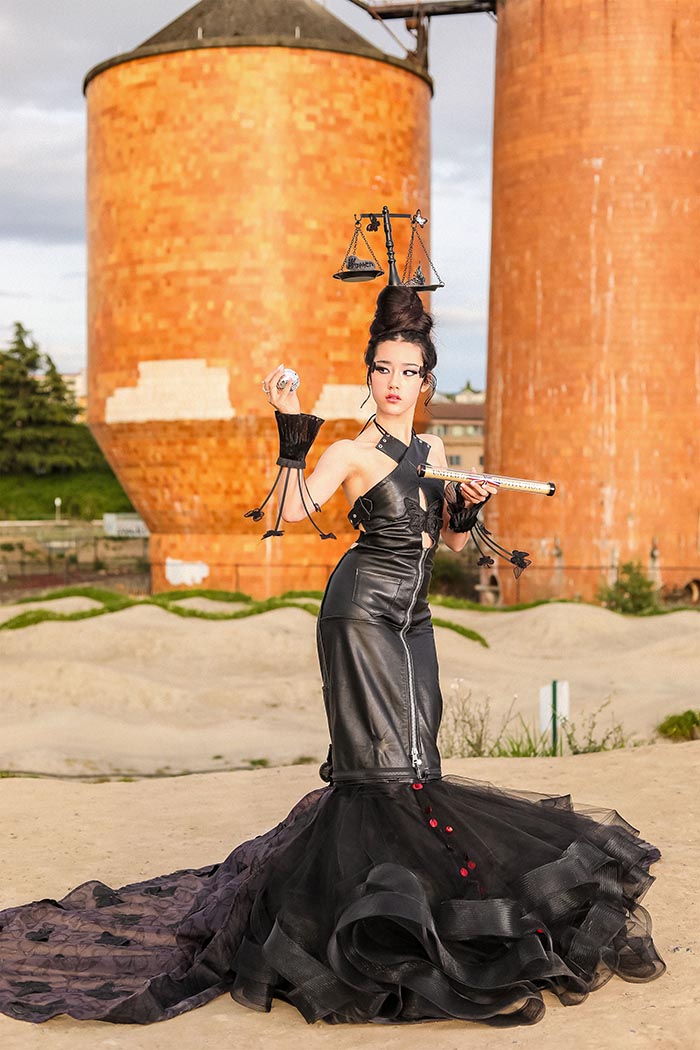
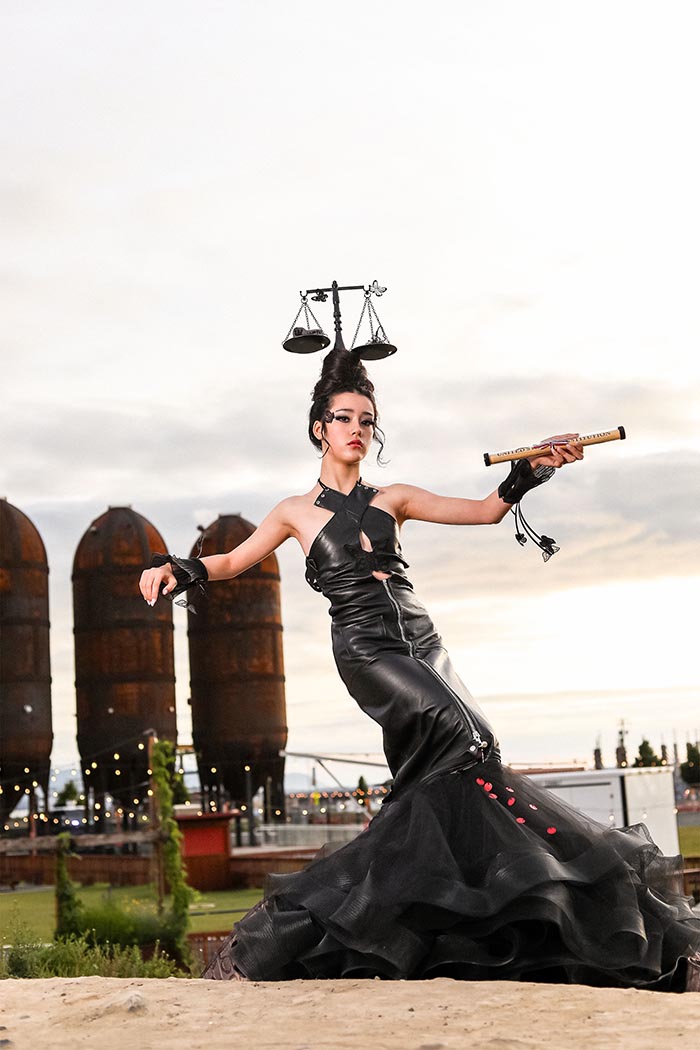
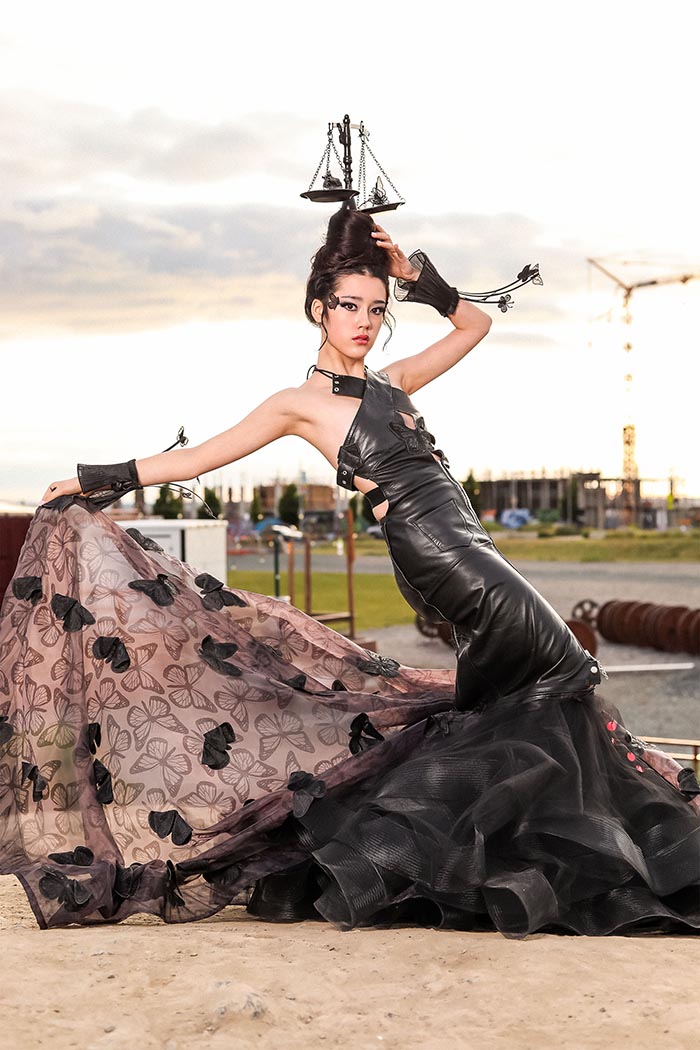
Among her recent creations is The Black Butterfly Dress, a design crafted from upcycled men’s leather riding chaps that explores the fragility of women’s rights through symbolism, movement, and contrast. Another standout piece, The Weight We Wear, is a couture garment constructed largely from fabric scraps collected over the course of a year, transforming discarded materials into a powerful statement about fashion waste and environmental responsibility. Together, these works reflect Eans’ belief that beauty, meaning, and sustainability can coexist.
Following a serious shoulder and neck injury in 2015, fashion became both a creative outlet and a path forward. Guided by gratitude, perseverance, and a lifelong passion for making art, Eans has spent the last decade creating hundreds of original designs while continuing to advocate for thoughtful, sustainable fashion practices.
We spoke with Eans about sustainability, creative resilience, family legacy, and the philosophy that drives her work.
The Weight We Wear Dress
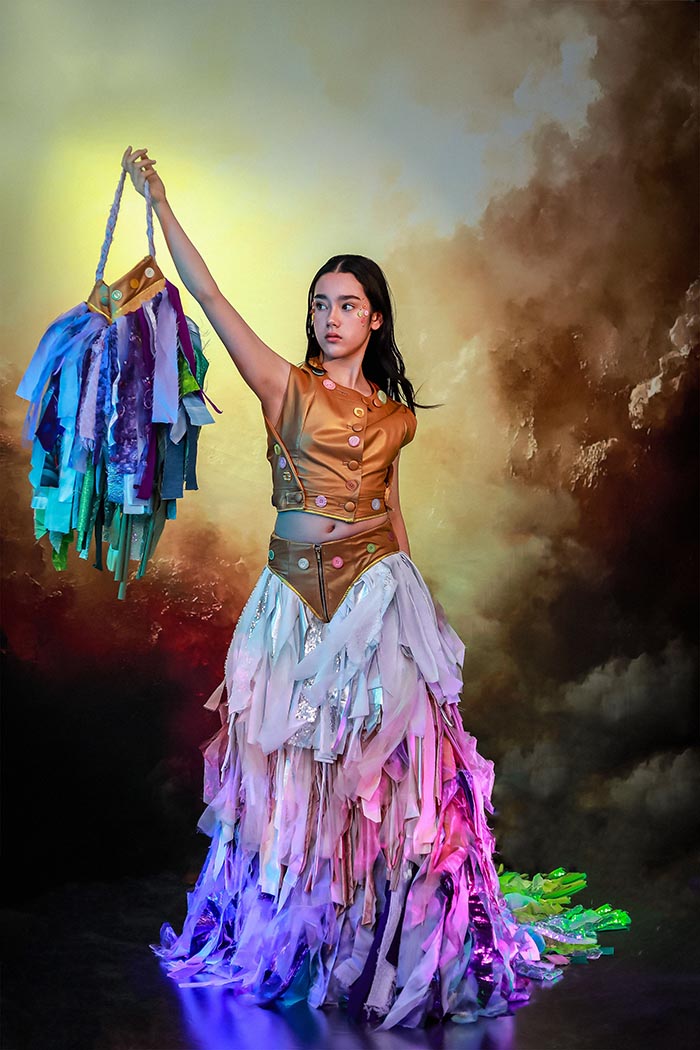
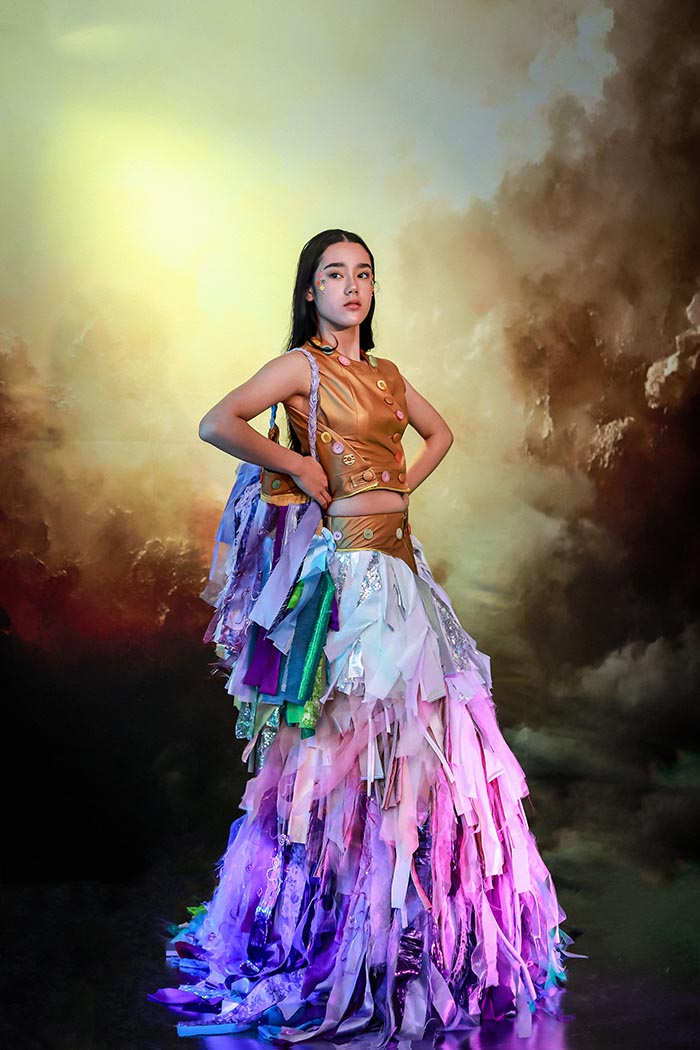
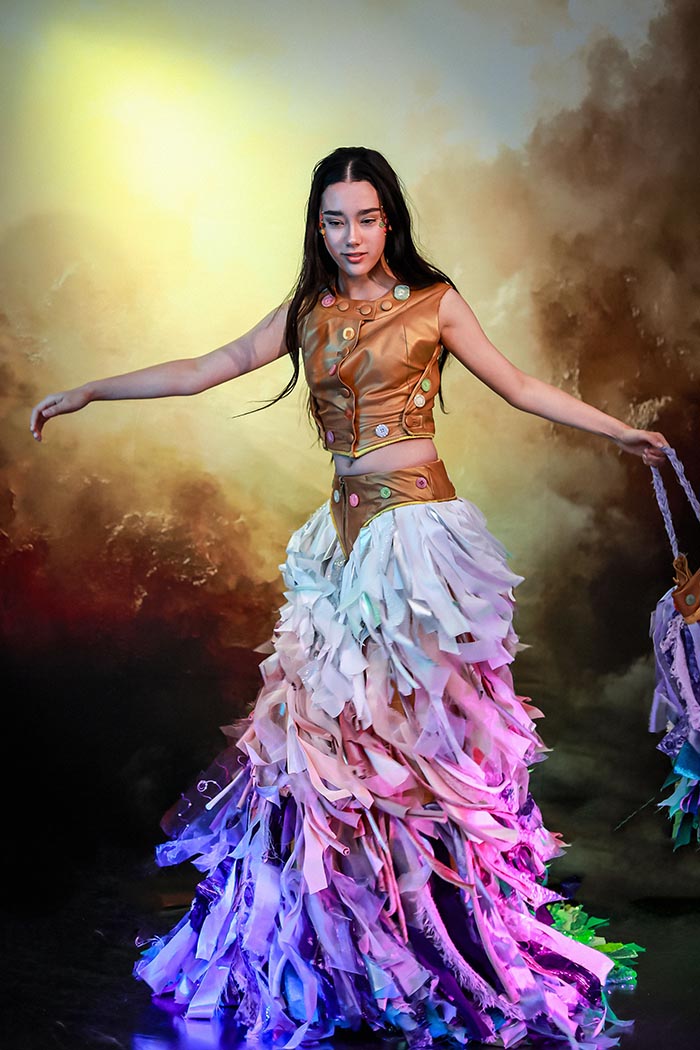
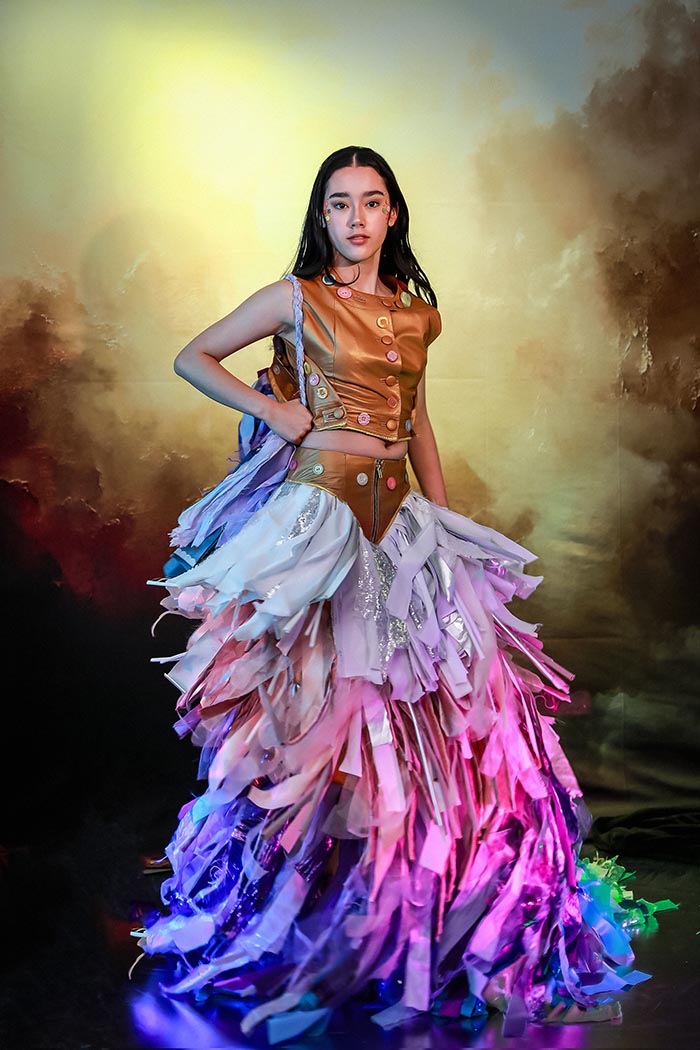
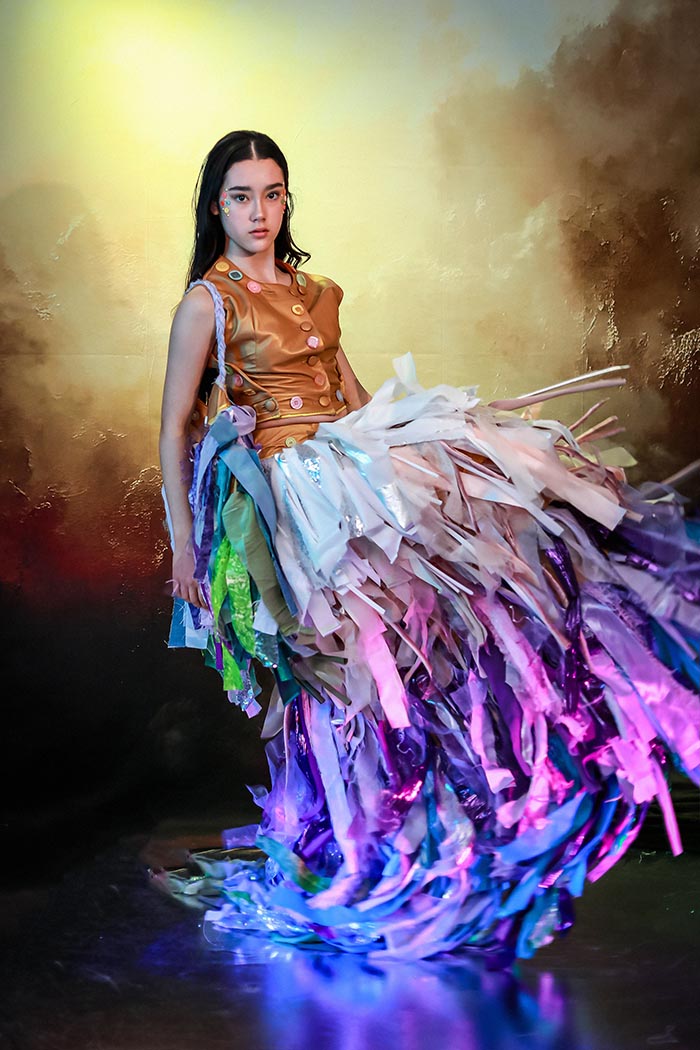
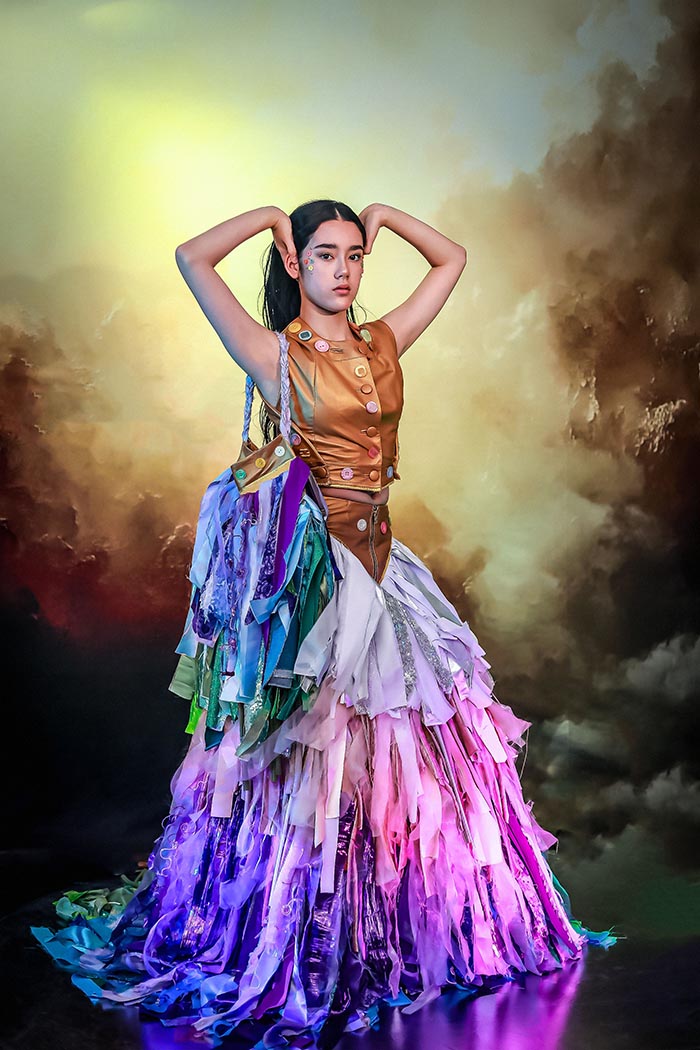
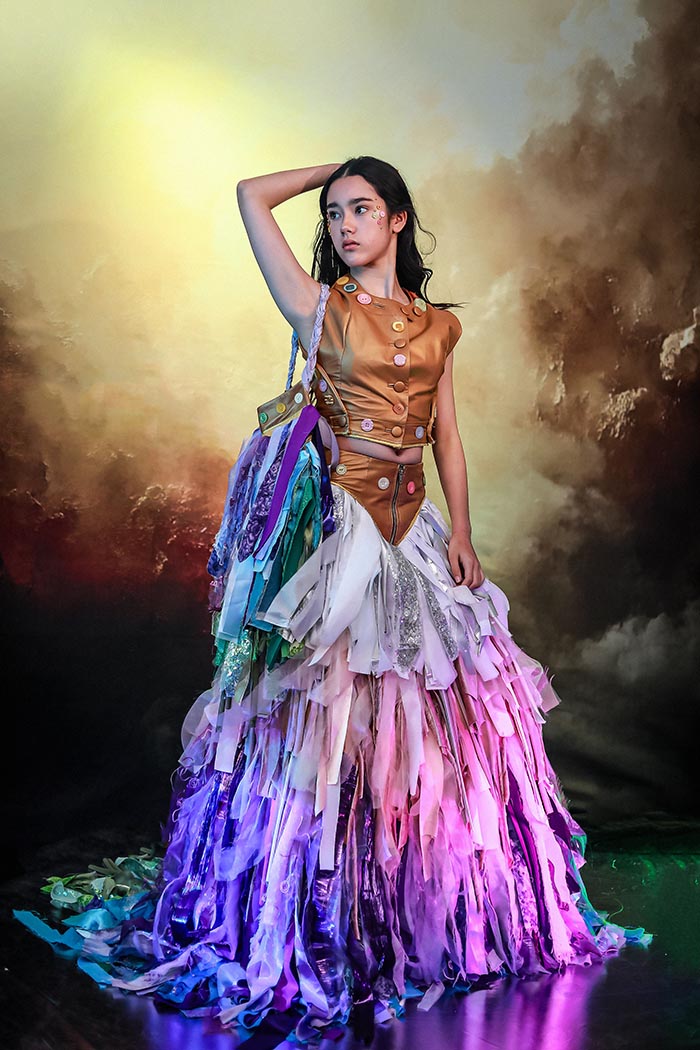
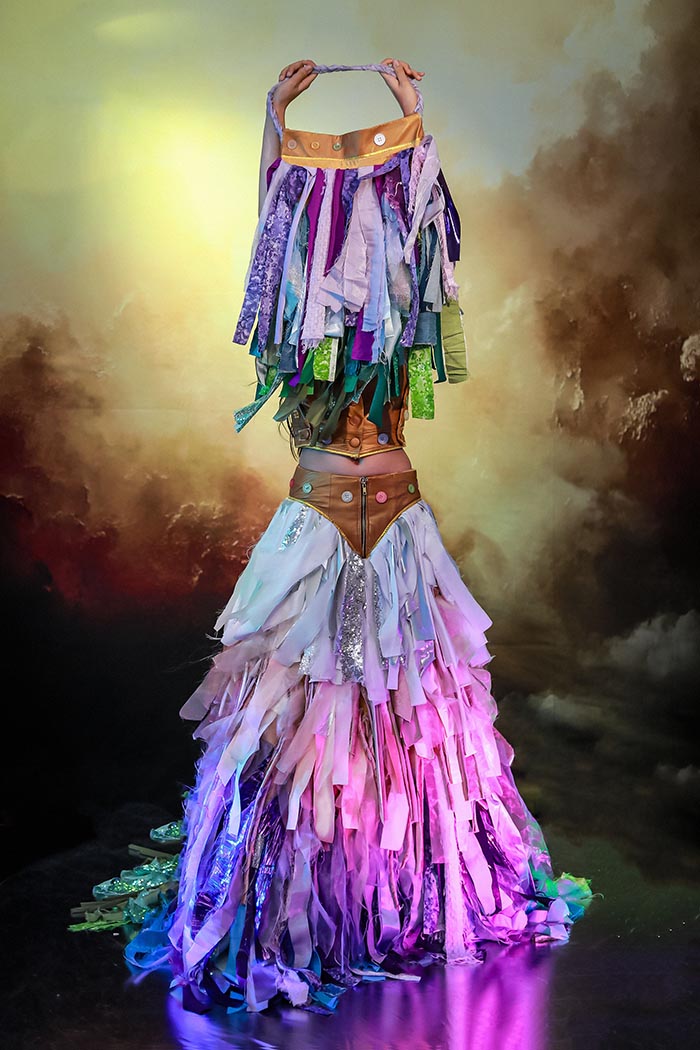
Q: You began designing out of necessity, reworking donated clothing—how did that early experience shape your approach to sustainability today?
My early experience shaped my approach by allowing me to see the potential and advantages of working with donated clothing. Donated garments often come with zippers, buttons, linings, and other components that already work together, helping with both cost-effectiveness and sustainability. Reducing waste is important to me, and I don’t want to add to the fashion industry’s growing environmental impact.
Q: For you, is sustainability more about materials, mindset, or storytelling?
For me, sustainability is all three. It starts with reusing materials to help reduce the enormous amount of waste produced by the fashion industry. It also requires a mindset shift because donated materials are often viewed as less valuable, when in reality their value comes from sustainability and taking responsibility for waste. Finally, it’s about storytelling because sustainability is part of my own story and how I began and grew as a designer.
Q: How do you approach reworking or upcycling pieces in a way that still feels elevated and intentional?
I think the final product speaks for itself through how it looks and feels. Looking expensive doesn’t necessarily mean it was expensive to make. Some materials, such as leather, can be costly when purchased new but are often affordable when sourced from thrift stores. It’s all about seeing the possibilities within the materials and transforming them into something beautiful.
Q: Do you think sustainability in fashion today is accessible—or still a privilege?
I believe sustainability in fashion is still a privilege. The cost remains high for many consumers, and sustainable fashion does not always cater to all sizes of women. At the same time, fast fashion offers low prices and accessibility, even if it isn’t sustainable. Personally, working with reclaimed materials lowers my overhead and allows me to offer more affordable garments.
Q: As a fifth-generation artist and seamstress, how does that lineage show up in your work today?
Growing up around art and seeing the work my ancestors created has been a tremendous source of inspiration. I inherited creativity, learned valuable skills, and felt encouraged to use them. Many of my sewing skills came from my mother and older sister. Most of my family paints, draws, photographs, or creates in some way, which exposed me to many different artistic experiences. That creative heritage continues to influence my fashion work today, and I feel compelled to carry on that legacy.
Q: You’ve worked across multiple art forms for decades—what does fashion allow you to express that other mediums didn’t?
Fashion allows me to bring together many of the skills I’ve developed throughout my life into one creative focus. There’s something special about wearing art instead of simply looking at it. Fashion has also connected me with people in ways my other artistic pursuits never did. Everyone wears clothes, but not everyone buys paintings or handmade crafts.
Q: You’ve described Tinarie Creations as your “culminating life project”—what does that mean to you?
This is my culminating project because it encompasses everything I love to do: sewing, designing, photography, color, and working with unconventional materials. It’s like bringing a painting to life. I create the fashion, style the makeup, photograph the finished look, and place it within a setting of my choosing. At this stage in my life, I feel like I’m putting everything I have into this work. This is what I have to offer, how I can positively impact others, and how I can fulfill my creative purpose.
Q: How has your perspective on fashion evolved from your early years of necessity to now creating by choice and vision?
My perspective evolved because I started at the bottom and worked my way up. That experience keeps me humble and respectful. I’ve always loved fashion and creating unique clothing, but my motivation has changed. In the beginning, I made clothes to fit in. Today, I make clothes to lift people up and inspire them. When a woman feels confident and beautiful in something I’ve created, it brings me tremendous joy.
The Black Butterfly Dress
Q: After your injury in 2015, returning to designing and sewing was a major milestone—how did that experience reshape your relationship with your work?
After my injury, I was unable to return to work for nearly three years. My dominant shoulder had come out of the socket, and I struggled with limited mobility in my hand and arm. To keep my hands active and strong, I turned to art. I began by making one hundred clay butterflies and giving them away. Later, I created clay butterfly masks and needed clothing to match them for photographs. I started with my daughter’s discarded prom dresses, thrifted garments, and unused fabrics.
That creative process eventually inspired the production of more than 300 dresses over the last decade. Before my injury, much of my personal time was devoted to my work as a special education teacher. During recovery, I discovered a deeper love for fashion and photography and learned the importance of maintaining boundaries between work and personal life.
Q: Your motto centers on gratitude and forward movement—how does that philosophy influence your creative process?
As I’ve moved through life, gratitude has become a way of living. People often say you get more of what you focus on, so I choose to focus on gratitude and fashion. Although I now have an artificial right shoulder with limitations, I have a shoulder that still allows me to create, and for that I am grateful.
There may be things I can no longer do, but there are so many things I still can. Creating is essential to who I am. Fashion motivates me every day and most recently helped carry me through complex spine surgery. I often sketch designs without knowing exactly how I will execute them, challenging myself to find solutions through creativity. I began life with pain and hardship and have arrived at a place of joy and comfort. For that, and for so many other things, my heart feels full.
Q: What does a typical day in your creative routine look like, especially with your early mornings and late nights?
My days are largely centered around fashion. Since I am no longer working another job, I can dedicate my time to sewing and creating. I wake up early because I am excited to get started. I love the process so much that it can be difficult to focus on anything else. Most days I spend at least six hours sewing. In the evenings I enjoy spending time with my husband, but before bed I often find myself fitting in just a little more sewing.
Q: Where do your bold and beautiful designs begin—are they imagined first, or discovered through the process?
Most of my designs begin as a vision. Sometimes I sketch them and sometimes I don’t. Beautiful fabrics and bold colors often spark ideas. Inspiration can come from architecture, nature, or other forms of art. The creative process itself often leads to new directions and unexpected discoveries. Ultimately, for a design to be beautiful, it must help the person wearing it feel beautiful.
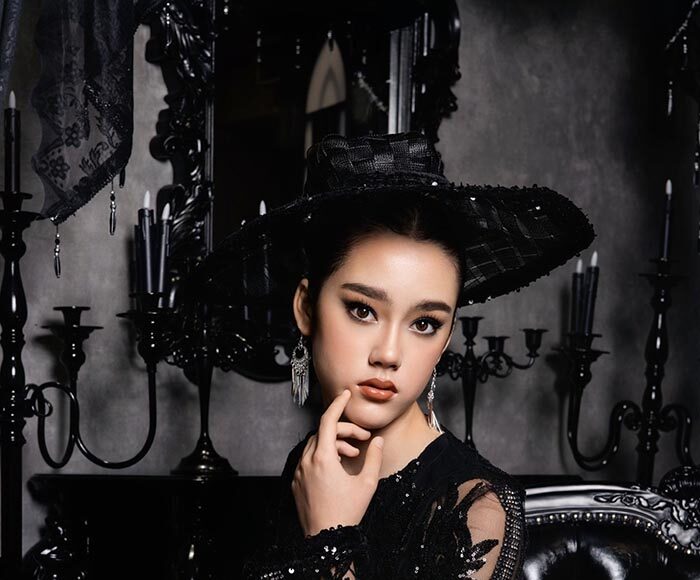
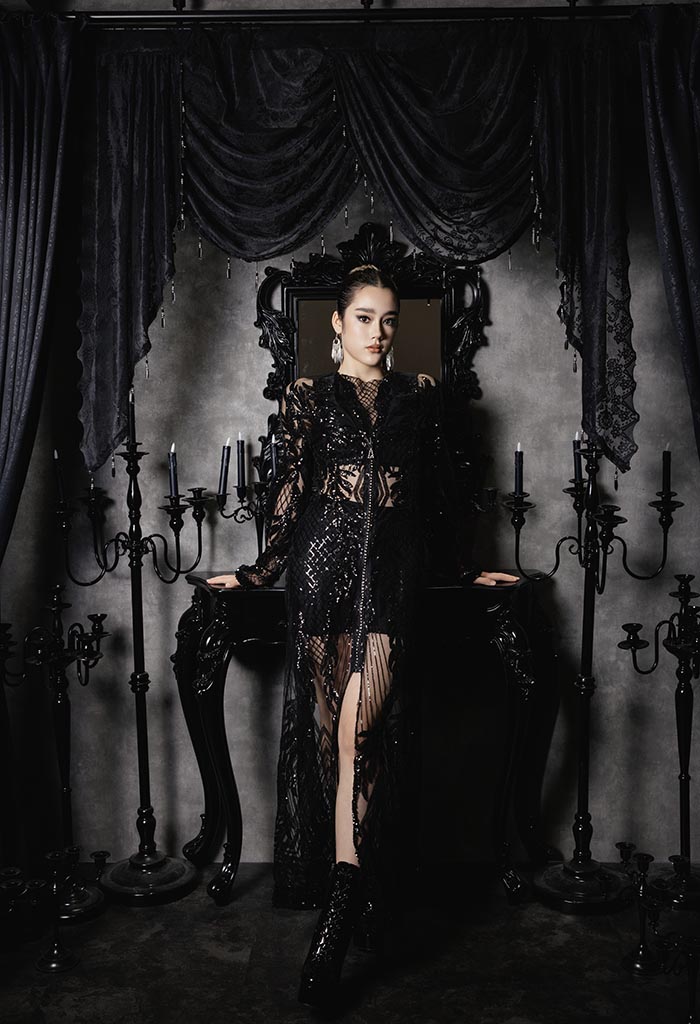
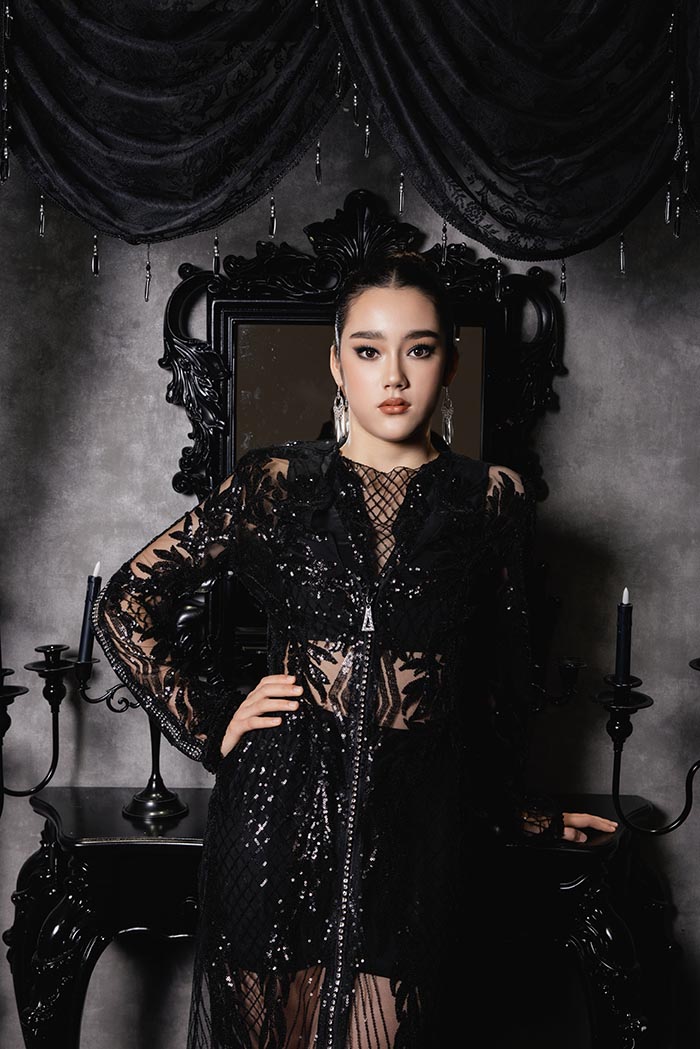
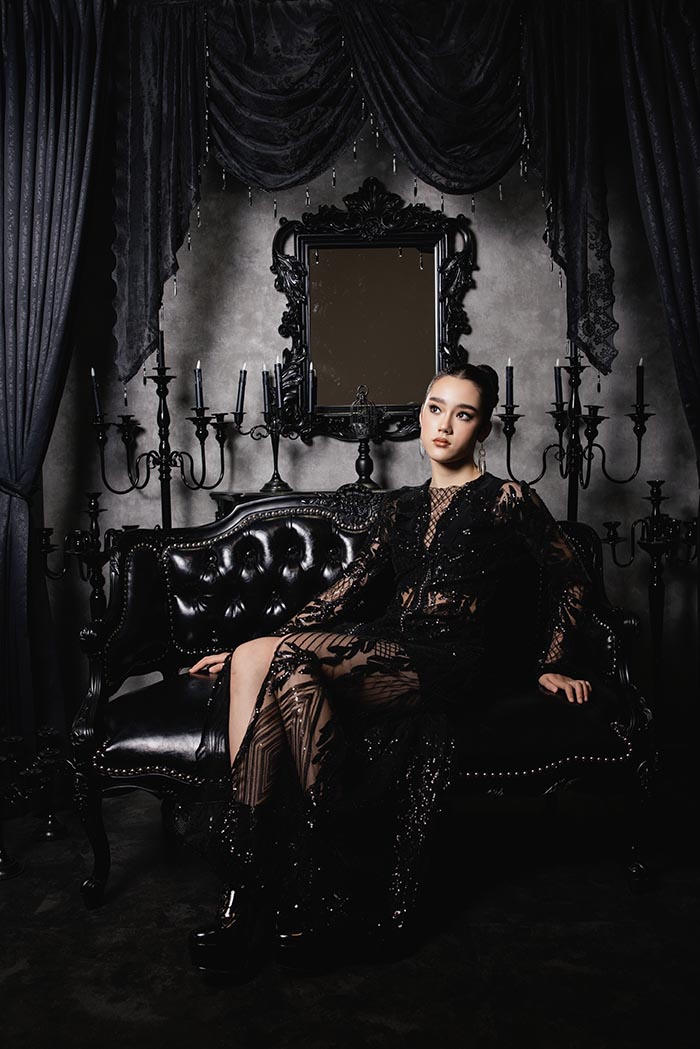
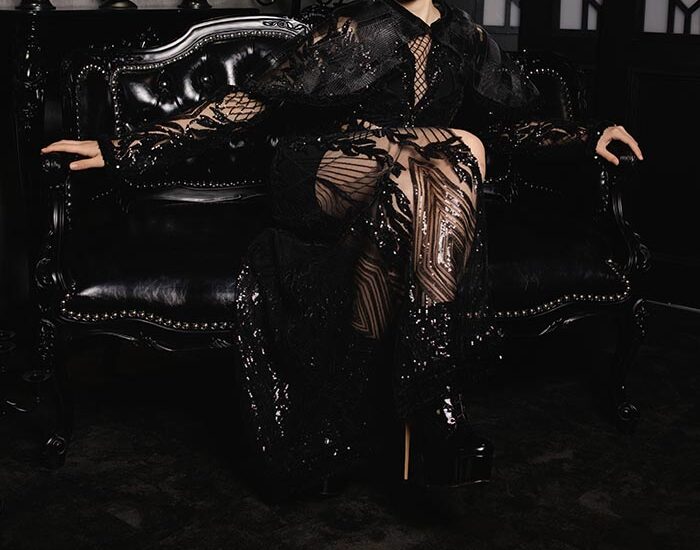
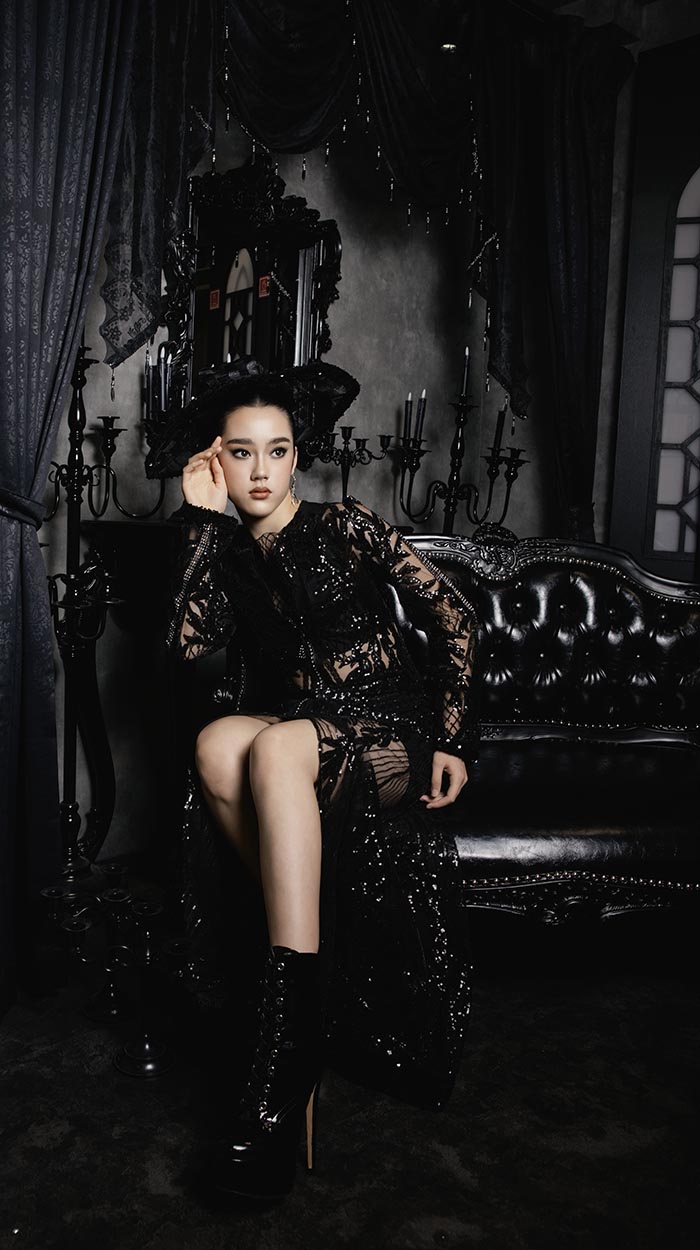
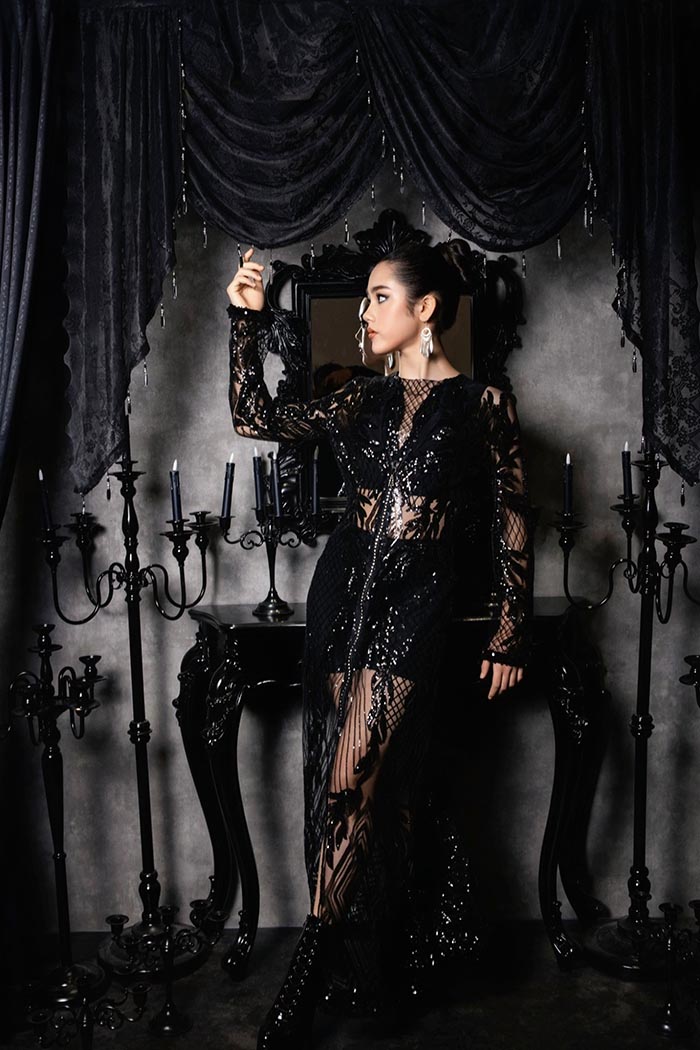
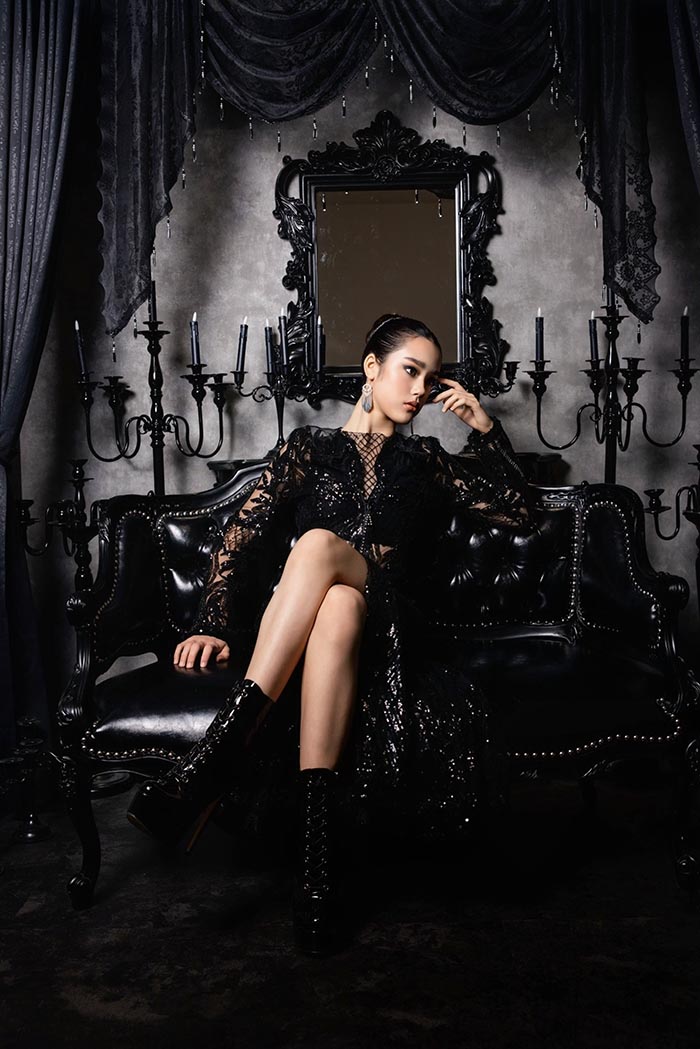
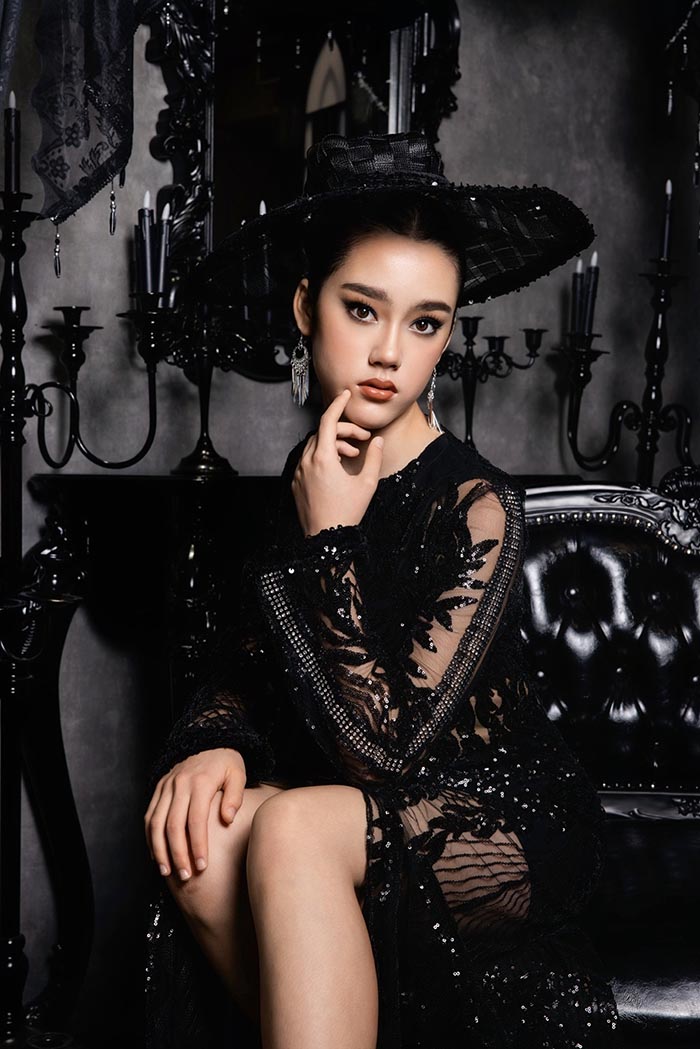
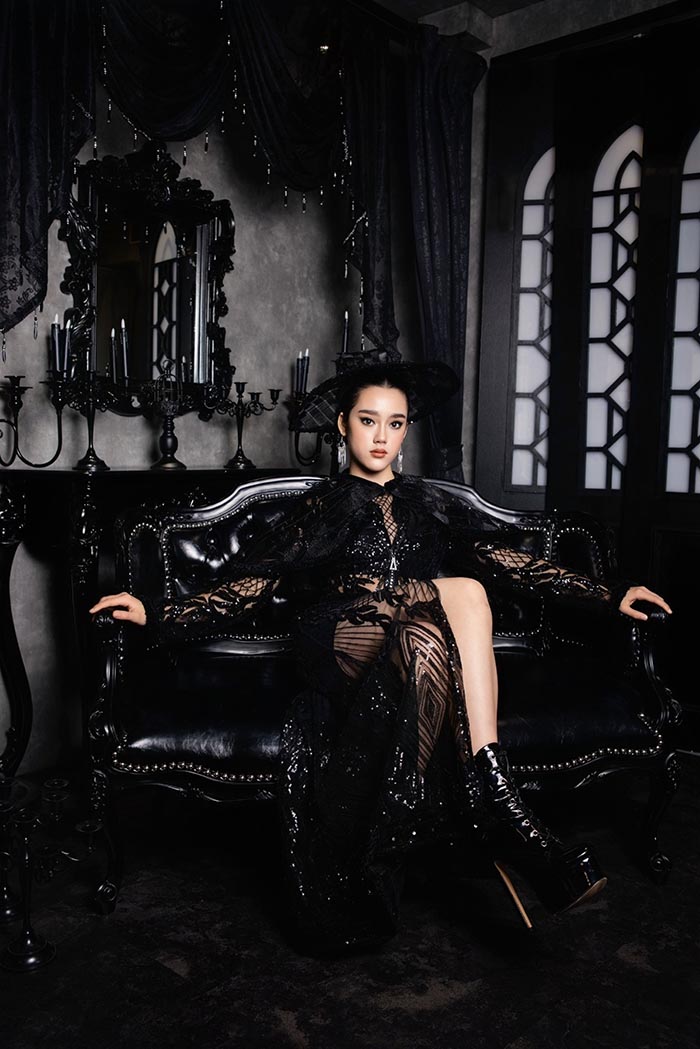
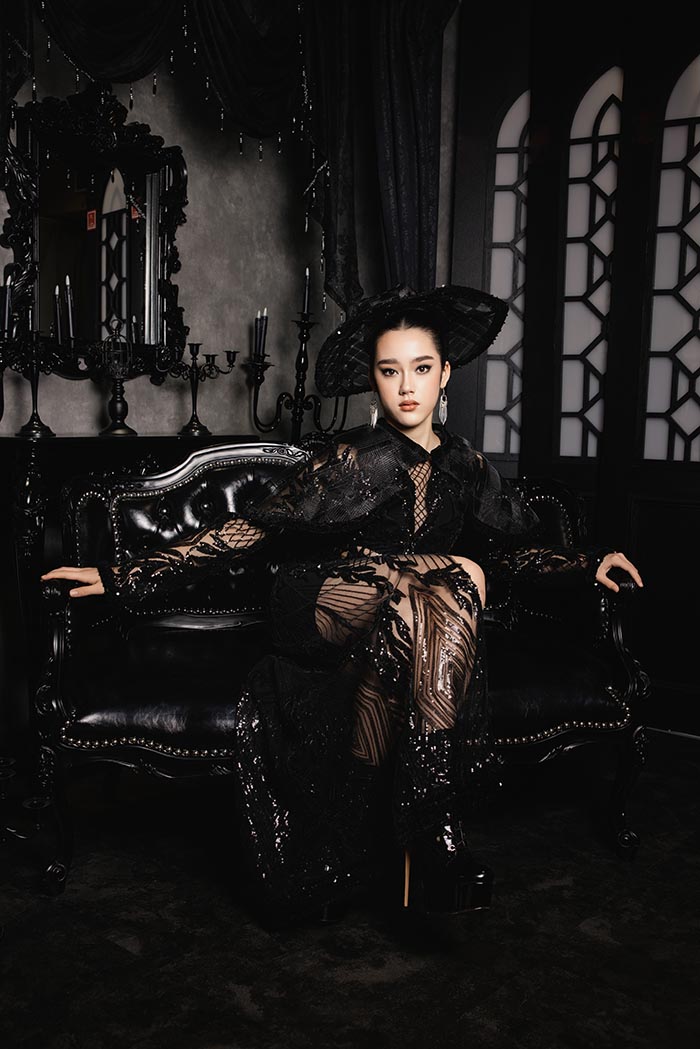
Black Dress with Hat- Catwalk Comrades
Q: What do you hope people feel or understand when they wear your designs?
I hope my designs help women feel confident, strong, and beautiful. I want people to understand that my work comes from a genuine passion for fashion and a desire to create art rather than simply pursue profit. Most of all, I hope they feel uplifted.
Q: What do you believe you bring to the fashion world that is currently missing?
I’m not sure anything is truly missing. Fashion is filled with passionate people creating beautiful work at every level. However, I do believe designers have a responsibility to consider sustainability.
I once participated in a fashion show that offered educational sessions on topics ranging from marketing to sustainability. I worked hard to use recycled materials throughout my collection, only to discover that many other designers had used entirely new materials and accessories. While it briefly made me feel less confident about my collection, it ultimately strengthened my belief that I was doing something meaningful.
That said, I do use new materials when necessary. There are fabrics that simply cannot be sourced elsewhere. One way I maintain my commitment to sustainability is by reworking my own unsold garments and one-time-use pieces into entirely new designs, giving them another life instead of allowing them to go to waste.