

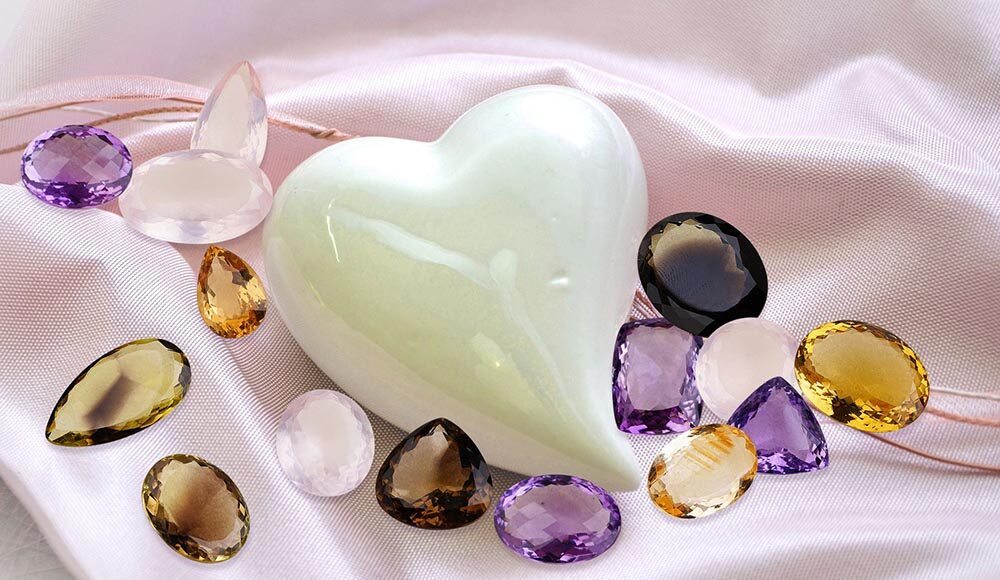
Not long ago, selecting a gemstone meant spending an entire day visiting jewellery stores, hopping from one traditional lane to another.
However, there is a paradigm shift in the process of selecting gemstones. With the introduction of online real-time consultations and AI-generated product videos, customers can evaluate gemstones from the comfort of their homes.
Now the question is, a gemstone may look flawless on screen, but is it truly authentic? Many people struggle with shopping online: They often wonder, “How do you choose certified gemstones online without getting scammed?”
Gemological organizations, including the Gemological Institute of America (GIA), have issued warnings about counterfeit grading reports being used to accompany low-quality stones and jewelry.
So, to refrain from the scams, this guide will walk you through what certification means. Along with a deep dive into the method of verifying gemstone certifications, identifying authentic gemstones, and spotting scams.
Why Certification Matters When Picking Gemstones Online?
The certification is an independent report issued by a recognized gemological laboratory. It verifies important details about the gemstone, including:
- Whether the gemstone is natural or synthetic
- Treatment disclosures
- Carat weight
- Shape and cut
- Color and clarity characteristics
- Geographic origin (in some cases)
So, before clicking the pay button, it is imperative to check whether the gemstone website provides an original certificate or not. You can check the reviews too, on the authentic site, or get in touch with the expert.
How to Pick Certified Gemstones Online Safely
1. Say “No” to Fake Websites — Choose Only from Reputable Sellers
With online shopping becoming more in vogue, setting up a website with AI is a smooth sail for many brands. Unfortunately, that also means not every gemstone seller online is trustworthy. So, to check the authenticity of the seller, check the points below.
- Read the recent testimonials of the brand to see what previous clients have experienced.
- Check the return, refund, and payment policies carefully.
- Observe whether the product descriptions clearly mention the gemstone’s origin, treatments, and certification details.
- Make sure the company provides real contact information, official address, and responsive customer support service.
A trustworthy gemstone retailer is usually transparent about where its gemstones come from and whether they have undergone any treatments. You can also explore the brand’s history, reputation, and customer feedback to make a wiser decision.
2. Always Ask for a Gemstone Authenticity Certificate
A valid certificate from a recognized gemological laboratory should be mandatory when selecting a gemstone. The trusted laboratories include:
- GIA Certified Gemstones (Gemological Institute of America)
- IGI gemstone certification.
- GRS
- SSEF
Before exploring product specifications or making a decision, take a moment to review the certificate.
3. Verify Gemstone Certification
Some people think that simply receiving a certificate is sufficient, but fake certificates are available in the market. Please note that the certification only protects you if it can be independently verified: visit the laboratory’s official verification portal and cross-check the report number, gemstone details, and treatment disclosures before completing your order.
Here are the Common Gemstone Scams You Should Know About
Here are some of the most common scams that can help you know what malpractices are in the market right now.
Scam 1: Selling Synthetic Stones as Natural Gemstones
Since synthetic stones often look similar to natural gems, some sellers take advantage of this and quote them as real gemstones. So it is wise to cross-check the quality before paying that hefty amount. After all, self-evaluation is better than regretting it later.
Scam 2: The Undisclosed Gemstone Treatments
Many gemstones undergo treatments to improve their colour, clarity, or overall appearance. While such treatments are accepted within the industry, ethical sellers always disclose them. If treatment information is missing, consider it a warning sign and look for a seller who is transparent about the gemstone’s history.
Scam 3: Handing over Fake Certificates
Disguised information can be dangerous, as some fraudulent sellers issue certificates that are identical to the reports from reputable gemological laboratories. Many people think that every certificate carries the same level of credibility. In reality, the reputation of the issuing laboratory matters significantly. Therefore, it is advised to verify the certificate number directly through the issuing laboratory’s official website.
Scam 4: Discounts at Too-Good-To-Be-True Prices
If a seller offers an emerald stone at a fraction of the market price, it’s worth asking why. Genuine high-quality stones rarely come with steep discounts unless there’s a catch. Comparing prices across reputable sellers can help you spot suspicious deals.
Scam 5: The “Get Rich Quick” Investment Trap
With growing inclination in gemstones and gemstone jewellery, some customers are lured by extraordinary investment returns. They want quick returns. However, some fake sellers claim rapid appreciation in price. In most of the scenarios, these schemes leave customers with overpriced gemstones that are difficult to resell at the promised value.
Understanding Different Gemstones
Each gemstone has unique characteristics and value factors. So if you really don’t want to be scammed, then know some facts about the gemstones.
Emerald Stone
A flawless emerald at a surprisingly low price can be a sign of caution, as natural emeralds rarely occur without internal characteristics.
Ruby Stone
Be wary of rubies with exceptionally bright shade or prices that seem too good to be true. Always review the treatment disclosures.
Yellow Sapphire Gemstone
Avoid yellow sapphires that are devoid of treatment details. Extremely reasonable stones are often of poor quality.
Blue Sapphire Stone
Treated blue sapphires are common everywhere. So, be cautious of stones sold with exaggerated astrological promises.
Red Coral Stone
Red coral is organic in origin; ensure it has been sourced responsibly.
Pearl Stone
Natural pearls and cultured pearls may look similar, but they differ greatly in rarity, formation, and value. Be vigilant and cross-check the difference.
Cat’s Eye Stone
It is always recommended to choose a certified Cat’s Eye gemstone with a sharp and well-defined light band.
Why a Professional Gemstone Recommendation Matters?
A professional gemstone recommendation can help determine:
- Identifying which gemstone suits your specific purpose
- Determining an appropriate carat or ratti weight
- Addressing any astrological considerations
Frequently Asked Questions (FAQs)
1. How can I order certified gemstones online safely?
It is always advisable to pick your gemstone from a trustworthy seller that provides a recognized gemstone authenticity certificate, treatment disclosures, and a transparent return policy.
2. How do I verify a certificate number online?
Generally, on the brand’s website, we can witness a free “report check” or “verify your report” tool. All you have to do is enter the certificate/report number listed on the document. In case the details align with the mentioned certificate number, then pick it. Otherwise, treat that as a serious red flag.
3. Does a higher price always mean a better or more authentic gemstone?
We should all know that a higher price range does not mean that the gemstone is real. Price depends on features like carat weight, clarity, color, treatment status, and origin. It is always advisable to check the gemstone certificate before the price. The authenticity matters more than the range.
4. How do I know if a gemstone has been treated?
Reputable sellers disclose all the treatments. For instance, a gemstone certificate typically mentions enhancements such as heating, filling, or irradiation.