

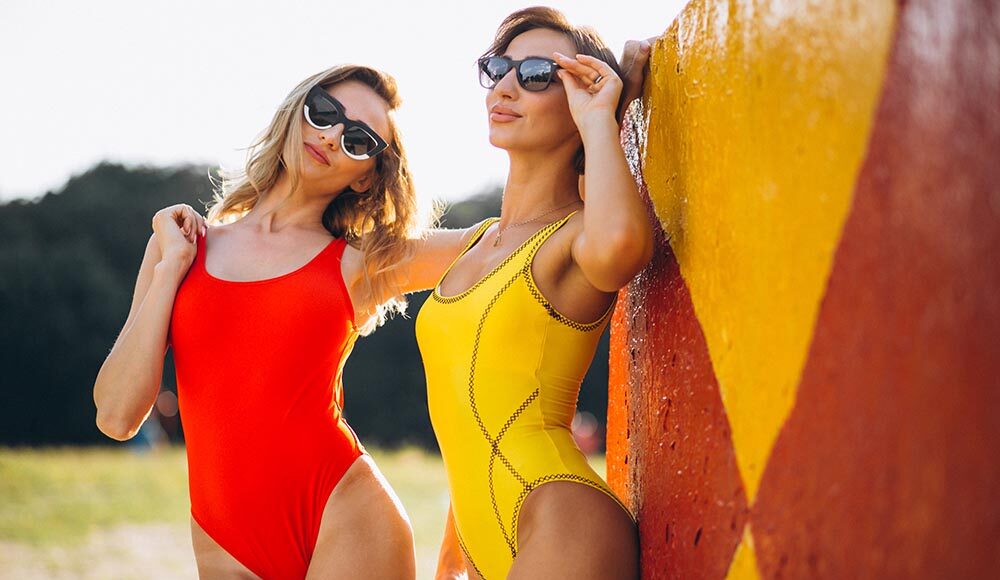
Many vacations now combine pool time, beach relaxation, and active water sports.
In these situations, having one or two swimsuits that work across different activities becomes useful. However, not every swimsuit performs equally well in chlorinated water, sand, or during physical movement. The right choice usually depends on fabric, construction, and specific features.
The right types of suits for different purposes acknowledge the realities of women’s water sports clothing. Performance-focused designs are built to move and last while providing shape and support for physical activity. Each type of swimsuit supports that goal in different ways, and picking a style that best allows that performance to carry on throughout a vacation.
Key Differences Based on Activity
Pool swimsuits need a great deal of chemical resilience and some durable compression to endure many, many lap cycles. Beach swimsuits call first and foremost for protection from the sun, quick-dry material to keep the sand from sticking, and comfortable wear through long days running on the seaside. An active vacation suit needs a bit of everything: durability, flexibility in its material, and the ability to hold up to activity, such as paddleboarding or snorkeling topside.
A solid multi-tasking swimsuit may be passably suitable for all applications, but it will be optimized for at least one kind of swimming. Comparing different swimsuit styles can also help narrow down the best option for your planned activities.
Fabric and Material Considerations
Swimsuit performance depends a lot on the material. Materials that are chlorine-resistant will be more resilient in pools than fabrics that aren’t. Materials that are quick-drying, water-wicking, and provide some level of UV protection are better for beach and active pursuits. How much elastane is included will determine how the shape is retained and how comfortable it is in motion. Generally, when choosing swimsuits and swimwear for women, heavyweight fabrics will have better support and thin-weight fabrics will have better comfort for long wear. Many of the new technical fabrics can provide a reasonable enough mix of the different needs. Just know that there are always trade-offs.
Design, Fit and Functionality
A swimsuit needs to be supportive and provide the desired coverage. Active swimsuits will have more complete coverage and a more substantial design in the top and/or wider straps than most women’s bikinis. Reinforcement for certain stress points or application of grip materials will be useful too. The cut will determine movement from a practical perspective, i.e., one with a higher leg opening would be more comfortable and would be less restrictive for the legs during swimming or on a watercraft.
How to Choose the Right Swimsuit for Your Trip
Before purchasing, keep in mind the following factors:
- Consider your main activities during the trip (pool swimming, beach lounging, or active water sports) and how long you expect to wear the swimsuit each day.
- Think about the climate and exposure to the elements you’ll be wearing it in, e.g., long hours in the sun, continuous exposure to sand and surf.
- Consider if one well-designed, suitable swimsuit can be just as efficient as multiple swimsuits for different purposes.
- Whether the fabrics are appropriate for the intended use. The construction should be reflective of the price and purpose of the suit.
- Whether the suit has any extra features that make it more comfortable or user-friendly (good fit and support, rugged construction, UV protection).
Prepare to maintain the swimwear properly. Wash the swimwear every time you wear it. It’s best to hand-wash the swimsuit to make it last longer.
Conclusion
The best swimsuit for pool, beach, and active vacation use depends on matching fabric, fit, and features to the specific demands of each setting. A thoughtful choice based on these factors can improve comfort and performance across different holiday activities.