

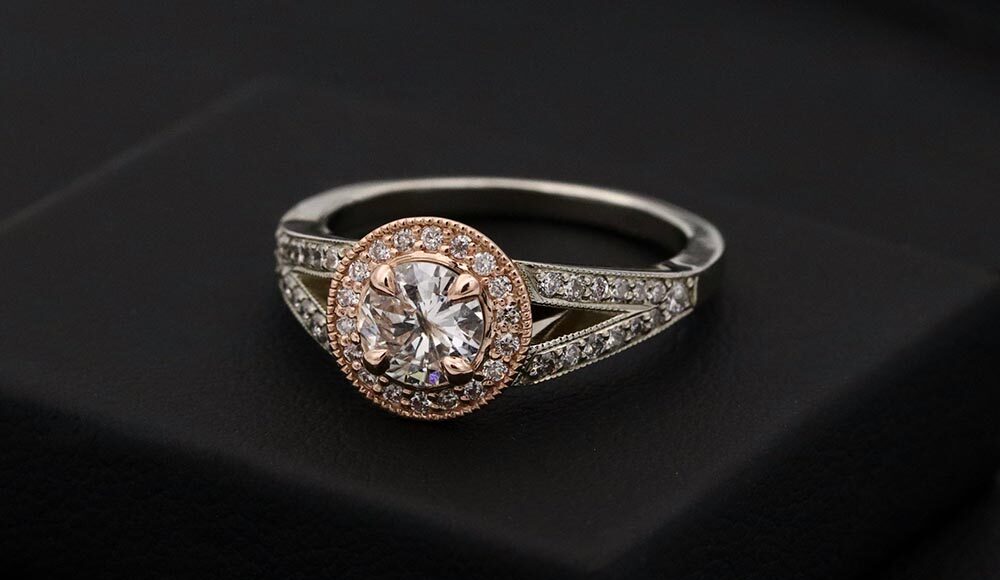
Fashion has always borrowed from the past, but the current return to historic jewelry feels different.
It is not simply about nostalgia or vintage-inspired styling. More collectors, stylists, and luxury buyers are looking for pieces with age, craftsmanship, provenance, and individuality qualities that are increasingly difficult to find in mass-produced modern accessories.
Antique and vintage jewelry offer something fashion is rediscovering: the power of a personal object. A Victorian ring, an Art Deco bracelet, a signed designer brooch, or an old mine cut diamond not only completes an outfit. It carries evidence of another era, another hand, and another way of making beauty. In a world shaped by fast trends and algorithm-driven sameness, historic jewelry gives the wearer something rarer: distinction.
This is one reason curated specialists such as DSF Antique Jewelry are becoming increasingly relevant to modern collectors. Based in New York, DSF Antique Jewelry focuses on rare antique and vintage jewelry, signed designer pieces, luxury watches, high-end costume jewelry, and unusual collectible objects. Its appeal is not limited to traditional antique buyers. The audience for historic jewelry now includes fashion collectors, younger luxury consumers, stylists, and people who want pieces with more character than what is usually found in contemporary retail.
The New Luxury Is Individuality
For years, luxury was often associated with recognizable logos, pristine newness, and seasonal collections. Those qualities still matter, but the conversation has widened. Many buyers now want objects that feel less predictable. A jewel from the Victorian, Edwardian, Art Nouveau, Art Deco, or Retro period can offer a form of individuality that cannot easily be replicated.
Historic jewelry also gives fashion lovers a way to build a personal style rather than simply follow a trend. A pair of antique diamond earrings, a bold Chanel brooch, a Cartier bracelet, or a sculptural gold ring can be styled with modern tailoring, eveningwear, denim, or minimalist wardrobe pieces. The contrast is often what makes the look feel current.
The result is a new kind of luxury language: one that values rarity, craftsmanship, and narrative as much as shine. A jewel chosen for its story can say more about the wearer than a new seasonal accessory. It reflects taste, curiosity, and a willingness to look beyond what is currently being promoted.
Why Antique and Vintage Pieces Feel Modern Again
The renewed interest in antique and vintage jewelry also reflects a broader shift toward sustainability. Buying an existing piece avoids the need for new production and allows collectors to preserve exceptional workmanship from the past. Unlike many fashion purchases, fine jewelry can remain wearable for decades, sometimes centuries, when properly cared for.
This is especially true for well-made pieces in gold, platinum, diamonds, natural gemstones, and signed designer jewelry. These objects were often made with a level of handcraft that gives them visible character: hand-cut stones, intricate settings, old-world engraving, enamel work, or design details tied to a specific period.
Museums have long understood jewelry as both adornment and cultural history. The Victoria and Albert Museum’s jewelry collection, for example, helps show how jewelry has reflected status, sentiment, art, symbolism, and technical mastery across centuries. That museum context explains why collectors increasingly see historic jewelry as more than decoration.
In fashion terms, this historical depth is part of the appeal. A vintage jewel can add meaning to a modern look without making it feel old-fashioned. A Georgian, Victorian, Edwardian, or Art Deco detail can become the focal point of an otherwise simple outfit. The piece does not have to match everything. In many cases, its strength comes from standing apart.
The Appeal of Old Cuts and Period Design
One of the clearest examples of this shift is the growing fascination with old diamond cuts. Old mine-cut and old European-cut diamonds have a different personality from modern brilliant-cut diamonds. They were shaped by hand, often with larger facets, softer outlines, and a warmer, more atmospheric play of light.
The Gemological Institute of America’s guide to old mine cut diamonds explains why this vintage diamond shape continues to attract attention. These stones are valued not because they look machine-perfect, but because they carry the charm of hand craftsmanship and historic cutting styles.
Period design has a similar attraction. Art Deco jewelry brings geometry, contrast, and architectural confidence. Edwardian jewelry offers delicate platinum work and lace-like refinement. Victorian jewelry can feel sentimental, symbolic, and richly detailed. Art Nouveau pieces often introduce organic forms, flowing lines, and nature-inspired imagination. Each era gives the wearer a different visual language.
For today’s fashion audience, that variety is powerful. Historic jewelry allows a person to choose a mood, not just a material. A diamond ring can feel romantic, architectural, bold, symbolic, or restrained depending on the period and design. That level of nuance is one reason antique and vintage pieces are returning to the center of personal style.
Signed Designer Jewelry as Wearable Collecting
Another important category is signed designer jewelry. Pieces by houses such as Cartier, Van Cleef & Arpels, Tiffany & Co., Boucheron, Chanel, Dior, David Webb, Bulgari, and similar names can occupy a unique space between fashion, jewelry, and collecting.
Signed jewelry is often desirable because it combines recognizable design identity with limited availability. Certain pieces are no longer produced. Others reflect a specific period in a house’s history. Some are valued for their craftsmanship, while others are sought after because they capture the spirit of a designer, a decade, or a particular style movement.
For collectors, this can make signed vintage jewelry especially compelling. It is wearable, but it can also be researched, documented, compared, and collected with the seriousness often given to art and design objects. A signed jewel may be appreciated for its brand name, but its deeper value often lies in its design, condition, rarity, and connection to a wider story of fashion history.
This is also why high-end costume jewelry has gained renewed attention. Important pieces from major fashion houses can carry strong visual identity, editorial appeal, and collector interest, even when they are not made from traditional precious materials. In the right context, a dramatic Chanel brooch or a sculptural Dior necklace can be as expressive as fine jewelry.
How DSF Antique Jewelry Fits This Moment
DSF Antique Jewelry reflects this broader movement toward curated, character-rich luxury. While the company is strongly associated with antique and vintage jewelry, its collection has expanded to include signed designer pieces, luxury watches, rare objects, high-end costume jewelry, and unusual finds selected for beauty, rarity, and story.
That broader approach matters because today’s collector is not always looking for one narrow category. A client may be drawn to an Art Deco diamond ring, a Chanel statement piece, a vintage Cartier object, a luxury watch, or a rare decorative item. What connects these pieces is not only age, but quality, taste, and the sense that each object has been individually chosen.
For DSF, this creates a natural position in the current fashion landscape: not simply as a seller of antique jewelry, but as a curated source for historic design, signed luxury, and distinctive personal adornment. Its selection of fine jewelry and rare watches reflects how modern collectors are increasingly interested in pieces that cross categories, jewelry, timepieces, design objects, and wearable history.
This is especially relevant now, as fashion becomes more personal and less uniform. Collectors are not only asking what is new. They are asking what is meaningful, what is rare, what has survived, and what still feels beautiful after decades of changing taste.
What Buyers Should Look For
For anyone beginning to explore antique or vintage jewelry, the first step is to look beyond appearance alone. Beauty matters, but so do condition, authenticity, materials, craftsmanship, and whether a piece has been altered over time.
Important questions include whether the piece is truly antique, vintage, or simply vintage-inspired. Buyers should also consider whether the stones are natural, treated, replaced, or original to the piece; whether the jewel has hallmarks, signatures, maker’s marks, or period-specific construction details; and whether it has been repaired, resized, converted, or restored.
This is where a specialist becomes valuable. Historic jewelry is not always easy to evaluate from photographs alone. The best pieces often require knowledge of design periods, gemstones, construction, signatures, and market context.
Condition is another important factor. A well-preserved jewel with strong design and good craftsmanship can be much more desirable than a piece that has lost its original character through heavy alteration. At the same time, certain restorations may be appropriate when they preserve wearability without damaging the integrity of the object.
A More Meaningful Way to Dress
The rise of historic jewelry is not only a shopping trend. It is part of a larger cultural desire for meaning in personal style. Fashion is moving toward objects that feel collected rather than consumed, pieces that invite conversation and carry emotional depth.
A jewel from another era can transform the way a person dresses. It can make a simple black dress feel cinematic, add intelligence to a tailored jacket, or bring individuality to a modern evening look. It can also become part of a family story, passed down and reinterpreted by future generations.
That is why antique, vintage, and signed designer jewelry are finding a new place in contemporary fashion. They offer beauty, but also memory. They offer luxury, but also substance. Most importantly, they give the wearer something that feels increasingly rare: a personal object with a life of its own.