

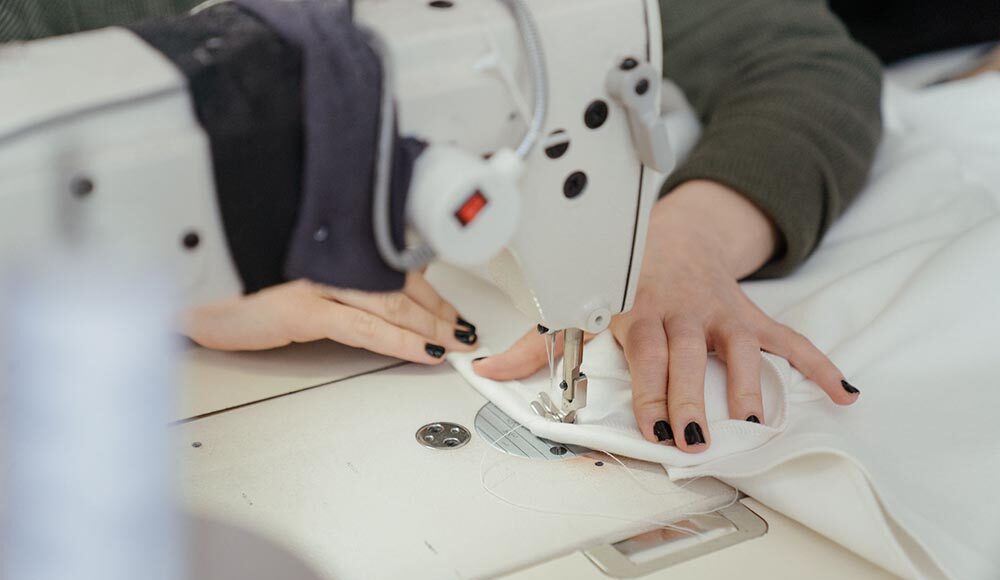
The glamour of the fashion world hides a much rougher reality.
Behind every beautiful display or runway show lies a massive supply chain filled with potential hazards.
Workers from textile factories and high-end retail boutiques face daily physical demands. When accidents happen, going through the legal path to recovery comes with a clear understanding of your rights. Protecting your health means knowing how the injury claims system functions within this global business.
The Hidden Risks Behind Modern Style
Labor rights groups keep a close watch on international manufacturing hubs to protect vulnerable staff. A briefing by the Business and Human Rights Centre tracked 665 allegations of garment worker abuse in Myanmar in 2024. Such issues frequently involve dangerous working environments where physical safety is neglected for profit.
Heavy machinery and rapid production lines create a perfect storm for severe physical trauma. Factory employees frequently handle cutting tools, fabric presses, and chemical dyes. If safety protocols slide, catastrophic injuries occur in the blink of an eye. Seeking legal remedies across international manufacturing networks presents hurdles for injured parties.
Retail Realities On The Showroom Floor
The consumer-facing side of apparel has its own set of dangers. Stockrooms feature towering shelves, heavy clothing racks, and constant foot traffic. Employees lift heavy boxes or climb unstable ladders to retrieve merchandise for customers.
Retail workers face unexpected workplace hazards daily. If you get hurt on the job, visiting personal injury lawyers like www.moorelaw.com helps injured employees discover their options for recovery. Legal professionals clarify rights that corporate employers might try to ignore. Take action to protect your livelihood when medical bills start piling up.
Understanding Common Warehouse Accidents
Logistics centers manage millions of garments before items reach a retail store shelf. Forklifts, conveyor belts, and massive sorting machines operate around the clock to meet tight shipping deadlines. The intense pressure to perform quickly causes staff to bypass standard safety maneuvers. Repetitive motions and poor ergonomics leave warehouse staff vulnerable to debilitating strain.
Local government data highlights the widespread nature of these logistical and storefront perils. Sprains, strains, and fractures make up a large portion of these reported incidents. Suffering a severe injury means missing weeks of work, which places immense financial pressure on households.
Why Inexperience Increases Workplace Danger
New hire orientation gets cut short during peak shopping seasons. Stores hire seasonal workers rapidly to handle Black Friday rushes or holiday crowds. Inadequate training leads directly to preventable mistakes on the sales floor and in backrooms. Unfamiliarity with equipment or lifting techniques creates a high-risk environment for rookies.
New team members bear the brunt of these workplace accidents. An extensive study analyzed over 22,000 injury claims and found that 38% of injuries occur in an employee’s first year of work. The statistic holds regardless of the worker’s age or previous background. Proper supervision during the initial months of employment will cut down insurance claims.
Steps To Take After An Industry Injury
Acting quickly after a slip, fall, or lifting accident preserves your legal rights. Many workers feel intimidated by managers or fear losing their shifts if they complain. Reporting the incident immediately establishes an official timeline that insurers cannot easily dispute.
Following a specific set of guidelines protects your health and your potential compensation claim:
- Report the incident to your supervisor immediately
- Seek a medical evaluation from a qualified professional
- Gather contact information from any coworkers who witnessed the event
- Take clear photographs of the hazard that caused your harm
Following those steps creates a paper trail that forms the foundation of any legal action.
The Legal Path To Compensation
Workers’ compensation systems provide financial relief for medical costs and lost wages. Corporate legal teams may try to downplay injuries to protect their operations. Having an advocate on your side levels the playing field against aggressive insurance adjusters.
Professional guidance helps you receive a fair settlement rather than a quick, lowball offer.
Proving liability involves showing that a business failed to maintain a safe working environment. Faulty equipment, slippery floors, and blocked exits represent clear violations of safety standards. Compensation covers everything from immediate emergency room bills to ongoing physical therapy sessions.
Long-Term Impacts Of Apparel Work Injuries
Chronic pain from repetitive strain can affect a person for decades. Fabric cutters, sewers, and stockers suffer from carpal tunnel syndrome and chronic back issues. Neglecting minor aches can cause permanent joint damage that prevents future employment. Early legal and medical intervention stops a temporary injury from becoming a permanent disability.
Employers must provide reasonable accommodations for staff returning from medical leave. Light-duty tasks allow individuals to earn an income as they recover their strength. If a company refuses to accommodate a doctor’s restrictions, it may face additional legal consequences.

Knowing your rights under employment law prevents unfair treatment during recovery.
The aftermath of a workplace accident is manageable if you’re not handling it alone. A better understanding of the claims process empowers you to demand fair treatment from employers and insurers. Standing up for your rights builds a safer environment for everyone in the apparel sector.